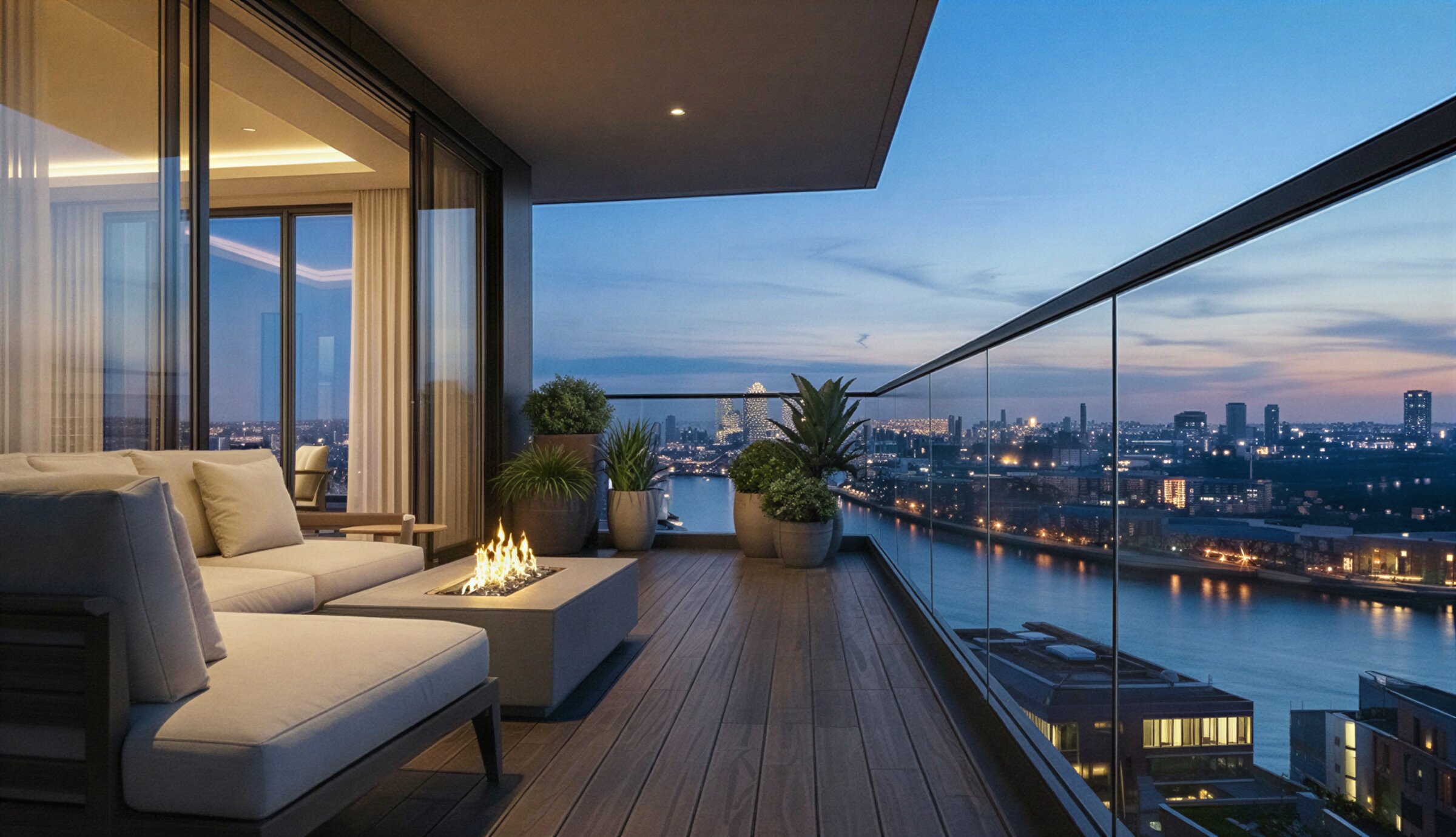
Architecture is constantly evolving, and the materials we choose for our projects play a massive role in shaping how a space feels, functions, and ages. Whether you are developing a luxury hotel, a multi-family rooftop, or a private residence, the details matter. One of the most impactful choices you can make is selecting the right protective barriers for balconies, decks, and outdoor amenity spaces.
For decades, traditional wood, iron, and aluminum railings were the standard go-to options. They offered basic safety and a familiar look. However, as design trends shift toward open concepts, natural light, and seamless indoor-outdoor living, these older styles can sometimes feel bulky or outdated. They can obstruct beautiful views and require significant upkeep, which is a major consideration for property managers and developers alike.
Today, modern projects demand materials that blend high performance with stunning aesthetics. This is why more developers and architects are choosing a high-quality glass railing system over conventional alternatives. Glass offers a clean, sophisticated look that completely transforms the atmosphere of a building. It invites light in, makes spaces feel larger, and provides a sleek, barely-there barrier that keeps the focus on the surrounding landscape or cityscape.
In this guide, we will explore the key differences between these two approaches. We will look at features, durability, maintenance, and long-term value to help you make an informed decision for your next build. If you want to create spaces that feel warm, open, and inviting, understanding how a modern glass fencing solution compares to traditional options is the perfect place to start.
The Evolution of Balcony and Deck Design
When you look at older buildings, the balconies and terraces often feel boxed in. Traditional railings, with their thick vertical balusters and heavy top rails, create visual barriers. While they serve the purpose of safety, they interrupt the line of sight. If you have a beautiful ocean view or a stunning city skyline, the last thing you want is a heavy iron or wood fence blocking the scenery.
Modern architecture focuses heavily on fluidity. Designers want spaces to flow naturally from the inside out. This desire for connection has driven the popularity of architectural glass systems. By utilizing transparent barriers, properties can maintain strict safety standards while offering an expansive, open feel. Whether you are outfitting a cozy residential deck or a sprawling commercial terrace, the goal is to make the environment as welcoming and unobstructed as possible.
Comparing Features and Aesthetics
To truly understand which option is right for your project, it helps to look at the specifics side by side. We have broken down the primary differences between a premium glass railing and traditional materials like wood, iron, and standard aluminum.
| Feature | Glass Railing System | Traditional Railings (Wood/Iron/Aluminum) |
|---|---|---|
| Aesthetics | Clean, minimalist, and transparent. Maximizes natural light and scenic views. | Bulky and highly visible. Can make spaces feel enclosed or visually cluttered. |
| Material Quality | Typically utilizes ½" tempered safety glass and aerospace-grade aluminum or steel. | Wood can rot, iron can rust, and standard aluminum can dent or pit over time. |
| Maintenance | Very low. Premium options feature self-cleaning coatings that repel dirt and water. | High. Requires regular painting, staining, sealing, or rust-prevention treatments. |
| Visual Impact | A frameless glass railing creates a floating effect, keeping the focus on the surroundings. | Creates a definitive boundary that draws the eye to the railing rather than the view. |
| Customization | Options for low-iron ultra-clear glass, custom tints, or frosted panels for privacy. | Customization is usually limited to paint colors or ornamental baluster designs. |
| Specification | Glass Railing System | Traditional Railings |
|---|---|---|
| Durability | High impact resistance. Does not warp, rot, or rust in harsh environments. | Susceptible to weathering, rot, termite damage (wood), and corrosion (iron). |
| Wind Resistance | Premium systems can be engineered to withstand hurricane-force winds up to 200 MPH. | Wind resistance varies widely; solid wood or weak aluminum can fail under high pressure. |
| Acoustic Performance | Excellent. Solid glass panels reflect ambient noise, reducing city or traffic sounds. | Poor. Open balusters allow sound waves to pass right through without disruption. |
| Smart Tech Integration | Easily supports LED integrated glass systems and automated access control features. | Difficult to integrate tech without exposed wiring or clunky surface-mounted fixtures. |
| Installation | Streamlined through modular components and base-shoe mounting systems. | Can be labor-intensive, often requiring on-site cutting, welding, or complex joinery. |
| Long-Term Value | High upfront investment but incredibly low lifetime costs and increased property value. | Lower initial cost, but high maintenance and replacement costs diminish long-term ROI. |
Elevating the Ambiance with Integrated Lighting
A beautifully designed deck shouldn’t lose its charm when the sun goes down. Lighting is a crucial element of welcoming architecture. Unfortunately, adding lights to a traditional wood or iron railing often involves clunky surface-mounted fixtures and visible wiring that detracts from the clean lines of the design.
Modern glass systems have solved this problem elegantly. By utilizing LED integrated glass systems, architects can build the lighting directly into the structural channels of the railing. This provides a soft, continuous glow that illuminates the walking path without causing glare on the glass. It makes the space feel safe, warm, and incredibly inviting for evening gatherings.
Simplifying the Process from Design to Installation
Taking on a major commercial or high-end residential project is a big task, and dealing with multiple vendors can add unnecessary stress. When you choose standard railings, you might have to coordinate with a steel fabricator, a painter, and a separate installation crew. This opens the door to miscommunication and delays.
Choosing a factory-direct manufacturer simplifies everything. At INFINITYGLASS™, we believe that premium materials shouldn’t come with premium complexity. We handle the engineering, fabrication, and installation all under one roof. This single point of accountability ensures that your glass railing arrives on time and fits perfectly. Our friendly, dedicated team is here to support you at every step, making the entire experience as smooth and stress-free as possible.
Making the Right Choice for Your Architecture
Deciding between traditional materials and modern glass comes down to the experience you want to create. If you want a barrier that is easy to maintain, protects against the elements, and makes your property feel expansive and contemporary, glass is the clear winner.
Whether you are designing a cozy backyard deck or a sprawling hotel terrace, the right glass balcony railing will elevate the entire property. It invites connection, fosters a sense of openness, and adds lasting value to your investment.
If you still have questions, you can find helpful answers on our frequently asked questions page. And if you are ready to explore how a custom glass system can transform your next project, we would love to help. Get a custom quote today, and let’s build something beautiful together.
Frequently Asked Questions
Are glass railing systems safe for high-rise buildings?
Absolutely. Modern glass railing panels are made from thick, tempered, and often laminated safety glass. They are engineered to meet strict building codes and can withstand heavy impacts and extreme wind loads, making them incredibly safe for high-rise balconies and commercial rooftops.
How difficult is it to keep a glass deck railing clean?
It is much easier than you might think! Premium systems come with a hydrophobic coating (like EnduroShield™) that repels water, dirt, and oils. Most maintenance simply involves a quick wipe down or a gentle hose off, which is far less labor-intensive than repainting wood or treating rusted iron.
Can frameless glass railing be installed on an existing deck?
Yes, frameless glass systems can often be retrofitted onto existing structures, provided the deck’s framing and fascia can support the weight and load requirements of the base channel. A structural assessment is usually required to ensure a safe and code-compliant installation.
Do glass railings make outdoor spaces hotter?
While glass does block wind, which can make a space feel warmer on a still summer day, it does not magnify heat. Proper deck ventilation and strategic shading can easily mitigate any temperature increases, allowing you to enjoy your clear views comfortably all year round.
Where can I learn more about your company’s process and history?
We love sharing our story and our commitment to quality! You can read all about our aerospace engineering heritage and our core values by visiting our About Us page.