Arizona Glass Railing & Fencing Building Codes
Arizona building code requirements for glass railings and pool barriers. IBC adoption, Arizona Pool Barrier Act, heat considerations, and permit guidance.
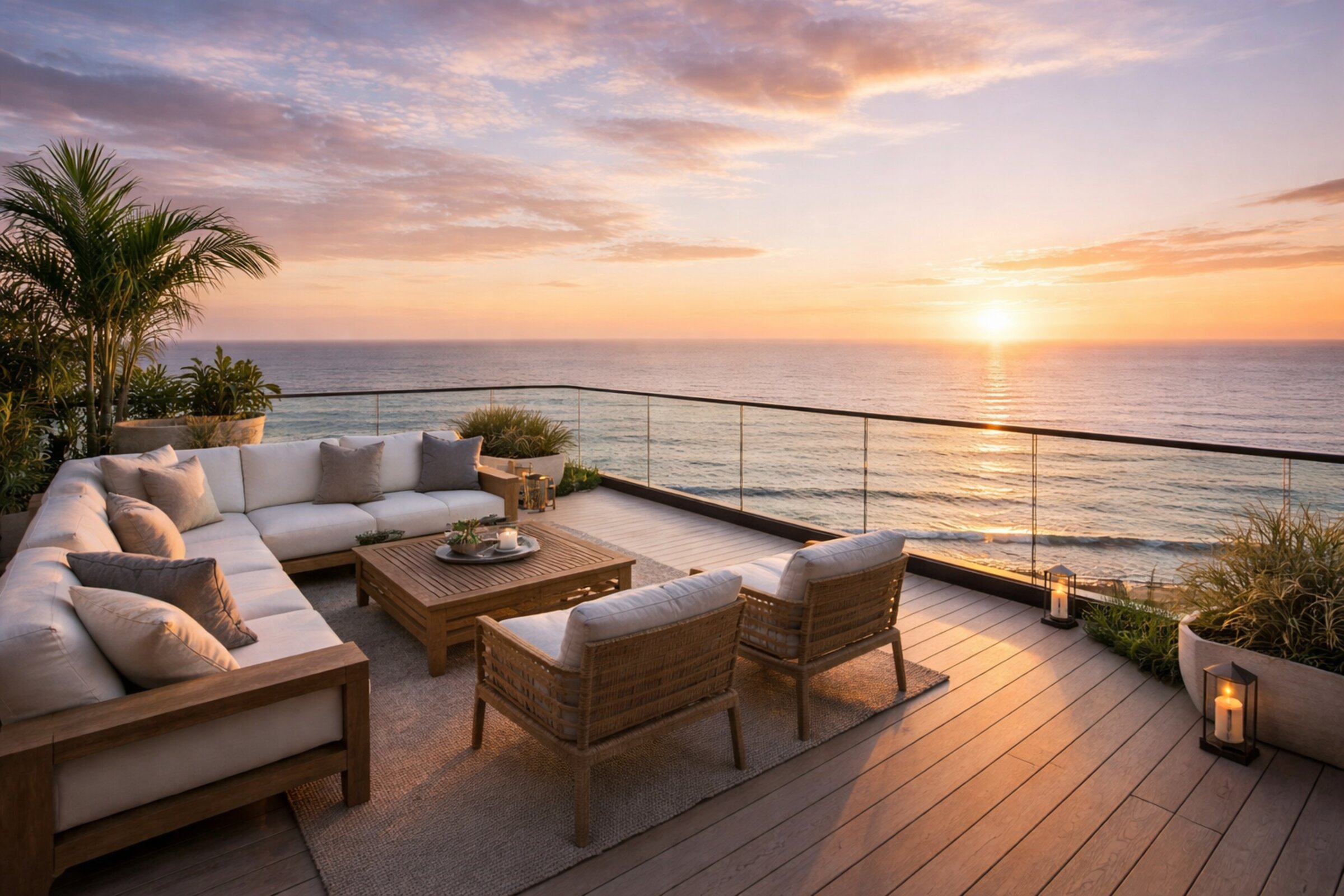
Arizona follows the International Building Code (IBC) 2018 with state amendments, though individual municipalities may adopt more recent editions. The state has some of the strictest pool barrier requirements in the nation due to Arizona's high rate of residential pool ownership. Extreme heat (115°F+) creates unique thermal expansion challenges for glass and hardware installations.
Code Sections & Requirements
Guard / Railing Height
IBC Section 1015 (AZ adopted)Residential guards: 36 in. min. Commercial guards: 42 in. min. Guards at open-sided walking surfaces more than 30 in. above grade. Openings shall not pass a 4-in. sphere.
Pool Barrier Requirements
ARS §36-1681 (Arizona Pool Barrier Act)Arizona requires pool barriers at least 5 feet (60 in.) high for all residential pools, not the standard 48 in. Self-closing, self-latching gates with latch at least 54 in. above grade. Maricopa County has the strictest enforcement in the state.
Safety Glazing
IBC Section 2406 (AZ adopted)Safety glazing per ANSI Z97.1 or CPSC 16 CFR 1201. All glass used as guards, pool barriers, or in hazardous locations must be tempered or laminated safety glass.
Thermal Considerations
Engineering practiceArizona temperatures regularly exceed 115°F, creating significant thermal expansion in glass and metal hardware. Glass surface temperatures in direct sun can exceed 160°F. Expansion joints, proper clearances, and thermally stable mounting systems are essential.
Wind Load Design
ASCE 7-22Arizona design wind speeds range from 105-115 mph for most of the state. Monsoon-season microbursts can produce localized winds exceeding 100 mph. Dust storm (haboob) impact on glass surfaces is a maintenance consideration.
Glass Type
IBC Section 2404 (AZ adopted)Standard tempered safety glass is acceptable for most Arizona installations. Laminated glass is not required by code but recommended for pool barriers and guards where post-breakage barrier maintenance is important.
Residential vs. Commercial Requirements
| Requirement | Residential | Commercial |
|---|---|---|
| Guard Height | 36 in. minimum | 42 in. minimum |
| Pool Barrier Height | 60 in. minimum (AZ Pool Barrier Act) | 48 in. per IBC |
| Glass Type | Tempered or laminated safety glazing | Tempered or laminated safety glazing |
| Thermal Design | Expansion clearances required | Expansion clearances required |
| Wind Load Design | Per ASCE 7-22 (105-115 mph) | Per ASCE 7-22 (105-115 mph) |
| Engineering Drawings | Required for pool barriers | PE-stamped required |
| Permit Required | Yes for pool barriers; varies for fencing | Yes — building permit |
| Inspections | Pool barrier: required | Multiple inspections |
Permit Process in Arizona
- Submit permit application to the local building department (Maricopa County, Pima County, or city jurisdiction).
- Include engineering drawings with thermal expansion calculations appropriate for Arizona's extreme temperature range.
- Pool barrier permit applications must demonstrate compliance with ARS §36-1681 including the 60-inch height requirement.
- Schedule foundation/post inspection before pouring concrete — critical in Arizona's expansive clay soils.
- Schedule final inspection after installation. Pool barriers receive mandatory inspection before pool fill.
- In Maricopa County, pool barrier compliance is verified at Certificate of Occupancy and may be re-inspected during property transactions.
Frequently Asked Questions
Why does Arizona require 60-inch pool barriers?
Arizona Revised Statutes §36-1681 (the Arizona Pool Barrier Act) requires 60-inch (5-foot) pool barriers, exceeding the IBC standard of 48 inches. This stricter requirement was enacted due to Arizona's high rate of residential pool ownership and childhood drowning incidents. The taller barrier provides additional protection against children climbing over.
Does the Arizona heat affect glass railings?
Yes. Arizona temperatures routinely exceed 115°F, and glass surface temperatures in direct sun can reach 160°F+. Properly engineered glass railings account for thermal expansion with appropriate clearances in channels and between panels. Hardware must be specified for the full temperature range. INFINITYGLASS designs all Arizona installations for extreme thermal cycling.
What building code does Phoenix follow for glass fencing?
The City of Phoenix adopts the IBC with local amendments. For residential pool barriers, ARS §36-1681 applies statewide with Phoenix code adding additional enforcement provisions. Permits are required for pool barriers, and the city inspects barrier compliance before allowing pool fill and during property transactions.
Are glass pool fences inspected when selling a home in Arizona?
In Maricopa County (which includes Phoenix, Scottsdale, Mesa, Tempe, and Chandler), pool barrier compliance is verified during home sales. Non-compliant barriers must be brought up to code before closing. This includes verifying the 60-inch height, self-closing/self-latching gates, and no climbable elements.
What glass thickness is recommended for Arizona installations?
Standard 1/2-inch (12mm) tempered glass works well for most Arizona railing applications. For 60-inch pool barriers, 1/2-inch is standard though some engineers specify 9/16-inch for wider panels. The key Arizona-specific requirement is proper expansion clearance in mounting channels to accommodate thermal cycling.
Do Arizona dust storms damage glass fencing?
Glass itself is highly resistant to dust storm (haboob) abrasion. However, prolonged exposure to blowing sand can cause micro-scratches over years. Regular cleaning after dust events prevents buildup. Hardware should be sealed and debris-resistant. INFINITYGLASS channel systems are designed with debris drainage to prevent sand accumulation.
Is Scottsdale glass fencing code different from Phoenix?
Scottsdale adopts the IBC with its own local amendments, which may differ from Phoenix in minor aspects. However, the statewide Arizona Pool Barrier Act (ARS §36-1681) applies uniformly. Scottsdale is known for stringent architectural review in certain neighborhoods, which may affect glass railing design and aesthetics.
What permits are needed for a glass pool fence in Maricopa County?
A residential pool barrier permit is required in Maricopa County. The application must include site plans showing barrier location, gate placement, and compliance with ARS §36-1681. Engineering drawings are recommended. The permit process typically takes 1-3 weeks, and a pool barrier inspection is required before the pool can be filled.
Need Code-Compliant Glass Systems in Arizona?
INFINITYGLASS™ provides PE-stamped engineering and permit-ready documentation for every project.
Get a Free Quote →