Nevada Glass Railing & Fencing Building Codes
Nevada building code requirements for glass railings and pool barriers. Clark County codes, extreme heat, wind considerations, and Las Vegas requirements.
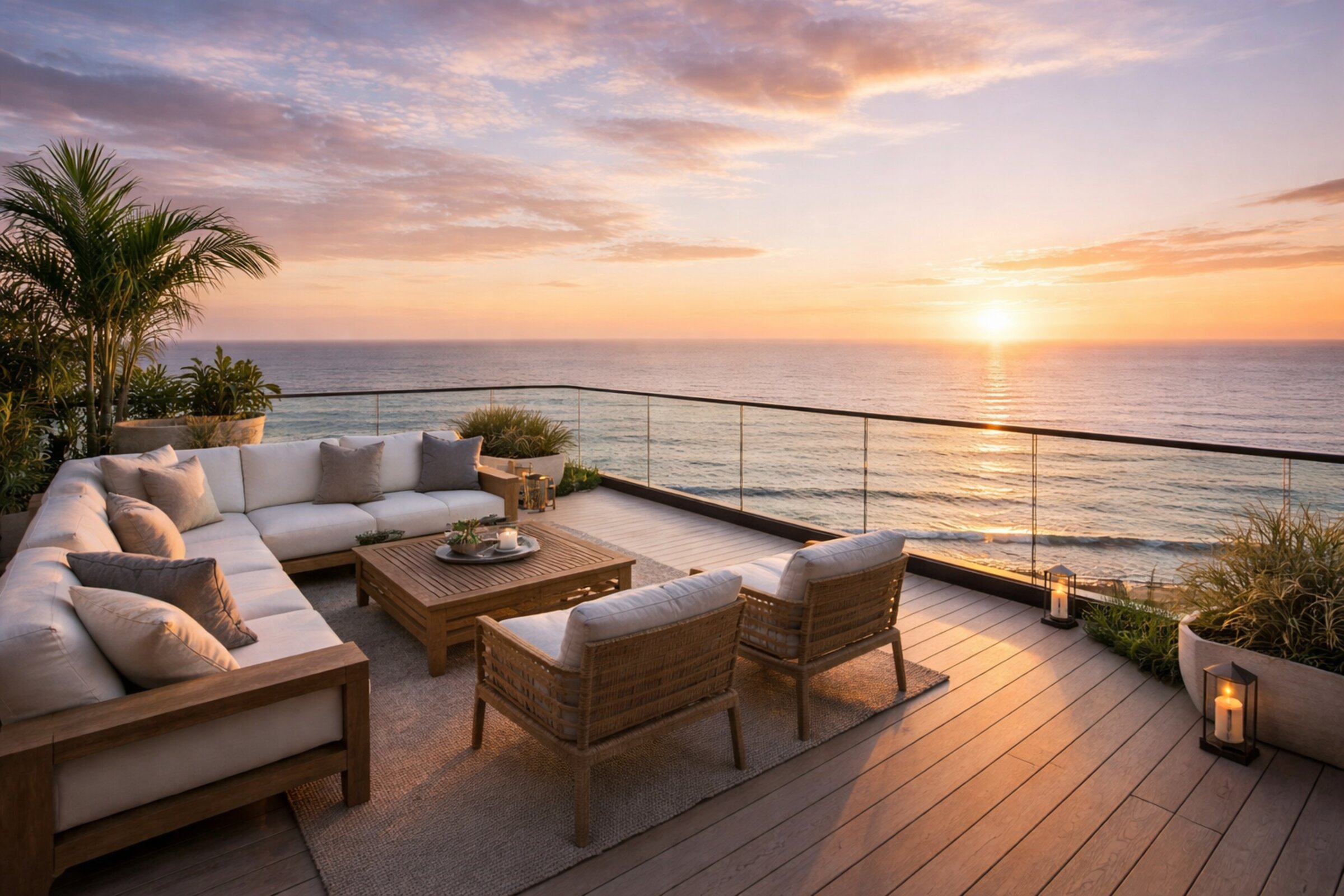
Nevada building code enforcement is primarily at the county and city level. Clark County (Las Vegas metro) is by far the largest jurisdiction and has its own adopted codes based on the IBC 2018. The state's extreme desert climate — temperatures exceeding 115°F with intense UV exposure — creates unique challenges for glass and hardware durability. Pool fencing is especially important given Nevada's high pool ownership rate.
Code Sections & Requirements
Guard / Railing Height
IBC Section 1015 (locally adopted)Residential guards: 36 in. min. Commercial guards: 42 in. min. Clark County follows standard IBC guard requirements. Las Vegas Strip properties may have additional requirements per hotel/gaming commission standards.
Pool Barrier Requirements
Clark County Code Title 22 / IBC 3109Pool barriers must be at least 48 in. high. Clark County has specific pool barrier ordinances with enforcement through building inspection. Self-closing, self-latching gates required with latches at 54 in. minimum. Clark County actively inspects pool barriers.
Safety Glazing
IBC Section 2406 (locally adopted)Safety glazing per ANSI Z97.1 or CPSC 16 CFR 1201. All glass guards, railings, and pool barriers must be tempered or laminated safety glass. Las Vegas hospitality projects may have additional insurance-driven requirements.
Extreme Heat Design
Engineering practiceLas Vegas and southern Nevada temperatures routinely exceed 115°F. Glass surface temperatures can reach 170°F+ in direct sun. Thermal expansion clearances, heat-stable gaskets, and UV-resistant coatings are essential design considerations.
Wind / Dust
ASCE 7-22Design wind speeds: 105-115 mph for most of Nevada. Microbursts during monsoon season can produce localized higher winds. Dust storms require sealed and debris-resistant mounting channels.
Hospitality / Gaming
Clark County / NV Gaming ControlLas Vegas Strip and hospitality properties may have additional requirements from gaming control, fire marshal, and hotel safety standards. Pool deck glass installations at resorts often exceed code minimums for liability reasons.
Residential vs. Commercial Requirements
| Requirement | Residential | Commercial |
|---|---|---|
| Guard Height | 36 in. minimum | 42 in. minimum |
| Pool Barrier Height | 48 in. minimum | 48 in. minimum |
| Glass Type | Tempered or laminated safety glazing | Tempered or laminated safety glazing |
| Thermal Design | Expansion clearances for 115°F+ | Expansion clearances for 115°F+ |
| Wind Load Design | Per ASCE 7-22 (105-115 mph) | Per ASCE 7-22 (105-115 mph) |
| Engineering Drawings | Required for pool barriers | PE-stamped required |
| Permit Required | Yes in Clark/Washoe counties | Yes — building permit |
| UV-Resistant Materials | Required for desert climate | Required for desert climate |
Permit Process in Nevada
- In Clark County: Submit permit application to Clark County Department of Building & Fire Prevention or City of Las Vegas Building Department.
- Include engineering drawings with thermal expansion calculations for Nevada's extreme temperature range.
- Pool barrier permits require site plans showing barrier location, gate placement, and compliance with Clark County Title 22.
- Schedule foundation inspection — desert soils may require special footing design for caliche or expansive clay.
- Schedule final inspection after glass installation.
- Las Vegas Strip properties may require additional review by the Clark County Fire Prevention Bureau and/or Nevada Gaming Control Board.
Frequently Asked Questions
What building codes does Las Vegas use for glass railings?
The City of Las Vegas follows the IBC 2018 with local amendments. Clark County (unincorporated areas, including the Las Vegas Strip) also adopts the IBC with Clark County amendments. Standard guard heights (36 in. residential, 42 in. commercial) and safety glazing requirements apply. Building permits are required.
Does the Las Vegas heat damage glass railings?
Glass itself handles extreme heat well. The challenge is hardware, gaskets, and sealants which can degrade at sustained temperatures above 120°F. INFINITYGLASS specifies heat-stable silicone gaskets, UV-resistant powder coatings, and thermal expansion clearances for all southern Nevada installations. Standard rubber gaskets may fail prematurely in the desert climate.
What pool fence requirements does Clark County enforce?
Clark County Title 22 requires pool barriers at least 48 inches high with self-closing, self-latching gates (latch at 54 in. minimum). Clark County actively inspects pool barriers and requires compliance before pool fill. Non-compliant barriers can result in fines and mandatory correction. Glass panels must meet safety glazing standards.
Are glass railings common on Las Vegas hotel pools?
Extremely common. Las Vegas resorts use glass pool barriers and railings extensively for their clean aesthetic and unobstructed views. Resort pool installations typically exceed code minimums due to the high volume of guests and liability considerations. INFINITYGLASS has supplied glass systems to multiple Las Vegas Strip properties.
What wind zone is Las Vegas in?
Las Vegas has design wind speeds of approximately 105-115 mph per ASCE 7-22. While not in a hurricane zone, the monsoon season (July-September) can produce microbursts with localized wind speeds exceeding 80 mph. Dust storms (haboobs) are more of a maintenance concern than a structural one for glass systems.
Do I need a contractor license for glass fencing in Nevada?
Nevada requires contractor licensing through the Nevada State Contractors Board (NSCB) for work exceeding $1,000. Glass and glazing work falls under the C-8 Glass and Glazing classification. Verify contractor licensing at nscb.nv.gov. Unlicensed contracting in Nevada carries significant fines.
What about glass railings in Reno/Tahoe area?
The Reno-Tahoe area (Washoe County) follows the IBC with local amendments. Lake Tahoe properties face additional requirements from the Tahoe Regional Planning Agency (TRPA) and must address snow loads (50-200+ psf at Tahoe elevation) and freeze-thaw conditions. This is very different from the Las Vegas desert environment.
Does Henderson have different codes than Las Vegas?
Henderson follows the IBC with its own local amendments, which are very similar to Clark County and Las Vegas standards. The same guard heights, safety glazing, and pool barrier requirements apply. Henderson has its own building department for permit processing and inspections.
Need Code-Compliant Glass Systems in Nevada?
INFINITYGLASS™ provides PE-stamped engineering and permit-ready documentation for every project.
Get a Free Quote →