North Carolina Glass Railing & Fencing Building Codes
North Carolina building code requirements for glass railings and pool barriers. NC Building Code, coastal wind zones, and permit process explained.
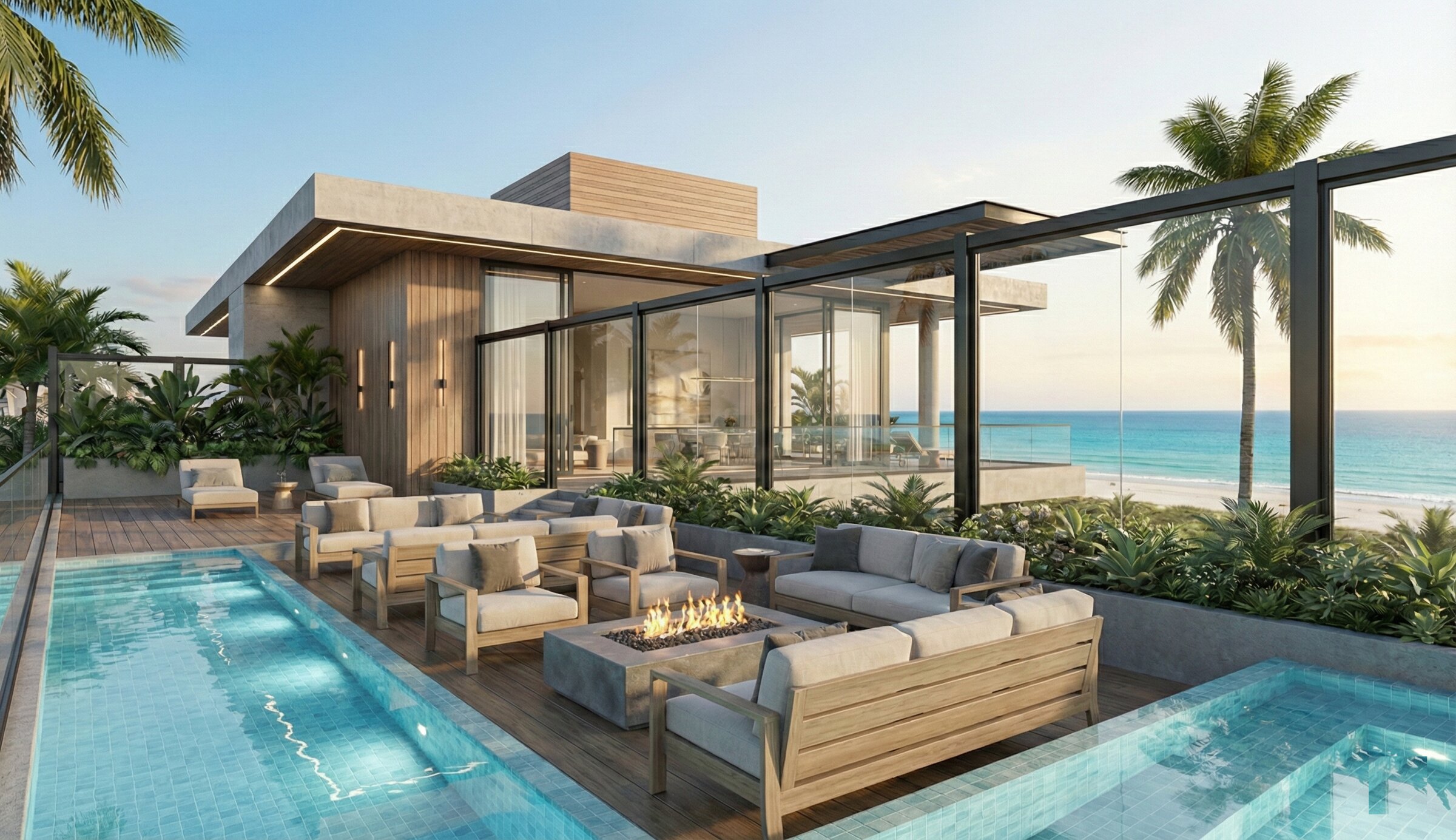
North Carolina enforces the NC State Building Code, which is based on the IBC 2018 with North Carolina-specific amendments, administered by the NC Department of Insurance. The state's coastal regions (Outer Banks through Wilmington) face hurricane-zone wind requirements, while the mountain region presents cold-climate and snow load challenges.
Code Sections & Requirements
Guard / Railing Height
NCSBC Section 1015Residential guards: 36 in. min. Commercial guards: 42 in. min. Guards required at open-sided walking surfaces with a drop exceeding 30 in. Openings shall not pass a 4-in. sphere.
Pool Barrier Requirements
NCGS §160D-925 / IBC 3109Pool barriers must be at least 48 in. high. Self-closing, self-latching gates required. North Carolina state law requires residential swimming pool barriers. Local health departments may enforce additional requirements.
Safety Glazing
NCSBC Section 2406Safety glazing per ANSI Z97.1 or CPSC 16 CFR 1201 required in hazardous locations. All glass guards, railings, and pool barriers must be safety glazed (tempered or laminated).
Coastal Wind Zones
NCSBC / ASCE 7-22NC coastal counties have design wind speeds of 130-160 mph. The NC Building Code designates coastal wind zones where impact-rated or wind-resistant glazing is required. Wind-borne debris provisions apply in designated areas along the coast.
Glass Type
NCSBC Section 2404Standard tempered glass for inland applications. Coastal wind zones may require laminated glass. The NC code follows IBC provisions for glass thickness, type, and installation requirements.
Flood Zone Construction
NCGS Chapter 143, CAMACoastal Area Management Act (CAMA) permits are required for construction in NC's 20 coastal counties. Flood zone properties must meet FEMA elevation requirements and may have additional glass installation standards.
Residential vs. Commercial Requirements
| Requirement | Residential | Commercial |
|---|---|---|
| Guard Height | 36 in. minimum | 42 in. minimum |
| Pool Barrier Height | 48 in. minimum | 48 in. minimum |
| Glass Type | Tempered or laminated safety glazing | Tempered or laminated safety glazing |
| Coastal Wind Design | 130-160 mph on coast | 130-160 mph on coast |
| CAMA Permit | Required in 20 coastal counties | Required in 20 coastal counties |
| Engineering Drawings | Required in coastal zones | PE-stamped required |
| Permit Required | Yes — building permit | Yes — building permit |
| Inspections | Foundation + final | Multiple inspections |
Wind Zone Details
North Carolina's coastal wind zone extends from the Outer Banks through Wilmington and Brunswick County. Design wind speeds range from 130 mph in the Wilmington area to 160+ mph on exposed Outer Banks locations. The NC Building Code designates wind-borne debris regions along the coast where impact-rated or protected glazing is required for exterior applications.
Permit Process in North Carolina
- Submit permit application to the local building inspections department (county or city).
- In the 20 CAMA counties, obtain a CAMA permit from the NC Division of Coastal Management for coastal construction.
- Include PE-stamped engineering drawings for coastal wind zone installations showing compliance with ASCE 7-22.
- Schedule footing inspection before concrete work.
- Schedule final inspection after glass installation.
- For Outer Banks properties, both Dare County building permits and CAMA permits may be required.
Frequently Asked Questions
What building code does North Carolina use for glass railings?
North Carolina uses the NC State Building Code, based on IBC 2018 with state amendments. It's administered by the NC Department of Insurance and enforced by local building inspection departments. Standard guard heights (36 in. residential, 42 in. commercial) and safety glazing requirements apply.
Do Outer Banks properties need hurricane-rated glass?
Yes. Outer Banks properties in Dare, Currituck, and Hyde counties face design wind speeds of 140-160+ mph. The NC Building Code requires wind-resistant construction in these areas, and impact-rated or protected glazing is necessary for exterior glass installations. Additionally, CAMA permits are required.
What is a CAMA permit and do I need one for glass fencing?
A CAMA (Coastal Area Management Act) permit is required for development in North Carolina's 20 coastal counties. If your glass fencing project involves new construction or exterior modifications within the CAMA jurisdiction (particularly on oceanfront or estuarine properties), a CAMA permit may be required in addition to your local building permit.
What are Charlotte glass railing requirements?
Charlotte (Mecklenburg County) follows the NC State Building Code. Standard requirements apply: 36 in. residential guards, 42 in. commercial, safety glazing per ANSI Z97.1. Charlotte is inland with design wind speeds of 105-115 mph, so hurricane-rated glass is not required. Building permits are required for structural glass installations.
Is a licensed contractor required for glass fencing in NC?
North Carolina requires general contractors to be licensed by the NC Licensing Board for General Contractors for projects over $30,000. Specialty glass contractors may work under their own license or a general contractor's license. Verify contractor licensing at nclbgc.org.
What pool fencing codes apply in Raleigh?
Raleigh follows the NC State Building Code for pool barriers: 48-inch minimum height, self-closing/self-latching gates, no climbable elements. Wake County enforces these requirements and requires building permits for pool barrier installations. Inspections are mandatory before pool use.
How do NC mountain areas affect glass railing design?
Western NC mountain areas (Asheville, Boone, Blowing Rock) present snow load and freeze-thaw challenges. Ground snow loads can reach 30-50 psf at higher elevations. Post foundations must extend below the frost line (18-24 in. in western NC). Cold temperatures require thermal expansion engineering for hardware.
Does Wilmington require impact-rated glass for railings?
Wilmington (New Hanover County) is in the NC coastal wind zone with design speeds of 130-140 mph. While not as extreme as the Outer Banks, impact-rated or wind-resistant glazing is recommended for exterior installations. The county enforces wind-resistant construction standards for coastal properties.
INFINITYGLASS™ Service Areas in North Carolina
Explore glass railing and fencing services in North Carolina cities:
Need Code-Compliant Glass Systems in North Carolina?
INFINITYGLASS™ provides PE-stamped engineering and permit-ready documentation for every project.
Get a Free Quote →