Oregon Glass Railing & Fencing Building Codes
Oregon building code requirements for glass railings and pool barriers. OSSC requirements, seismic zones, energy efficiency codes, and permit process.
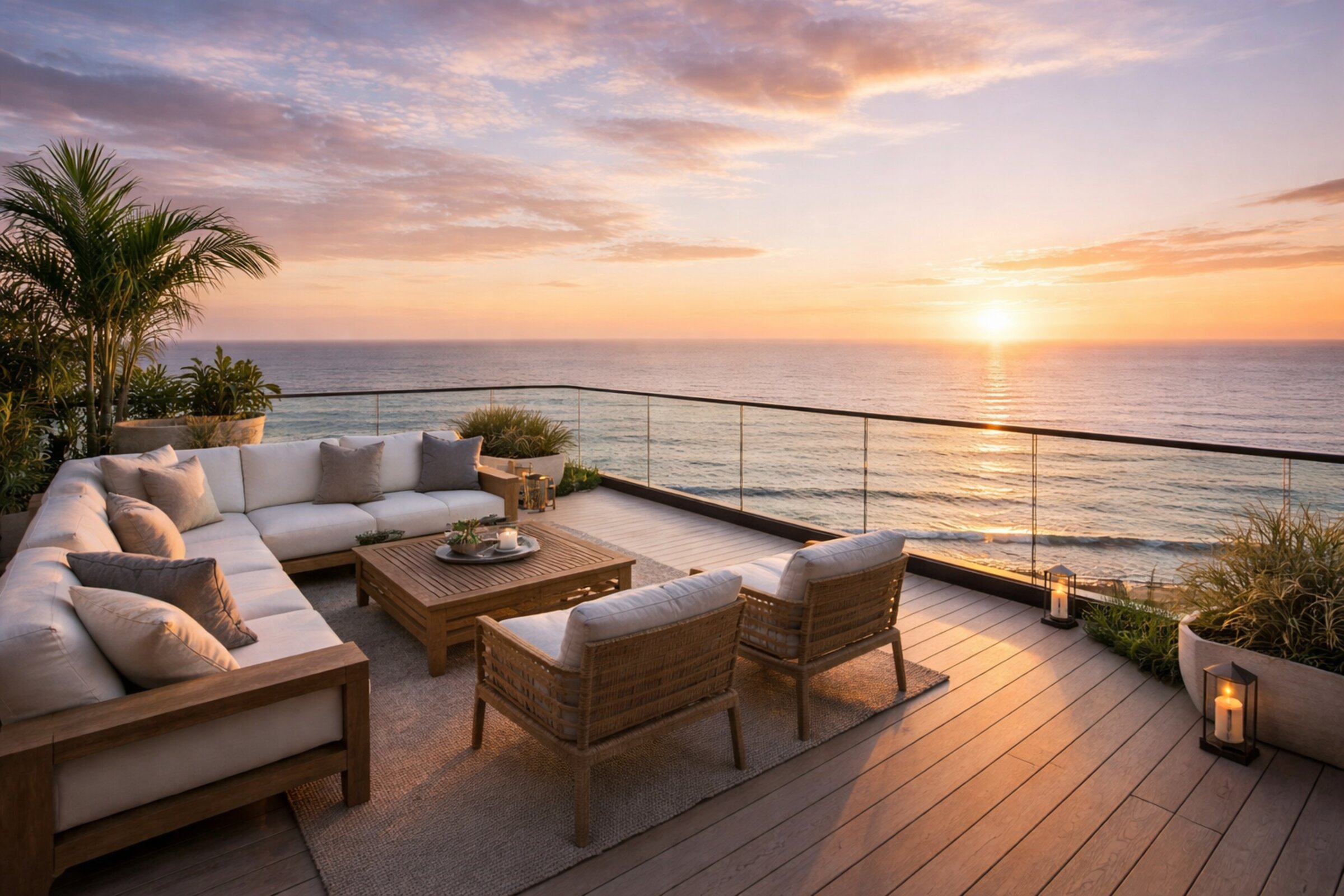
Oregon enforces the Oregon Structural Specialty Code (OSSC), based on the IBC 2021 with Oregon-specific amendments, administered by the Oregon Building Codes Division (BCD). Like Washington, seismic design is a primary engineering concern due to the Cascadia Subduction Zone. Oregon also has progressive energy efficiency requirements that may affect glass enclosure projects.
Code Sections & Requirements
Guard / Railing Height
OSSC Section 1015Residential guards: 36 in. min. Commercial guards: 42 in. min. Standard IBC provisions adopted. Oregon does not significantly amend guard height requirements.
Pool Barrier Requirements
ORS 468.500 / OSSC 3109Pool barriers must be at least 48 in. high. Oregon Health Authority (OHA) regulates swimming pool safety. Residential pools require barriers with self-closing, self-latching gates per OSSC 3109.
Seismic Design
OSSC Chapter 16 / ASCE 7-22Western Oregon (Portland, Eugene, Salem) is Seismic Design Category D. Coastal Oregon faces both seismic and tsunami risks. Glass railing connections must be designed for seismic forces with ductile behavior.
Safety Glazing
OSSC Section 2406Safety glazing per ANSI Z97.1 or CPSC 16 CFR 1201. All glass guards, railings, and pool barriers must be safety glazed (tempered or laminated).
Energy Code
Oregon Energy Efficiency Specialty Code (OEESC)Oregon's energy code is among the strictest in the nation. Glass enclosures creating conditioned space must meet U-factor and SHGC requirements. Standard open-air railings and fences are exempt.
Wind / Coastal
ASCE 7-22Design wind speeds: 95-110 mph for most of Oregon. Coastal areas (Lincoln City, Cannon Beach, Astoria) may have slightly higher wind requirements. Salt air corrosion is a concern for coastal installations.
Residential vs. Commercial Requirements
| Requirement | Residential | Commercial |
|---|---|---|
| Guard Height | 36 in. minimum | 42 in. minimum |
| Pool Barrier Height | 48 in. minimum | 48 in. (+ OHA rules) |
| Glass Type | Tempered or laminated safety glazing | Tempered or laminated safety glazing |
| Seismic Design | Required — SDC C to D | Required — SDC C to D |
| Wind Load Design | Per ASCE 7-22 (95-110 mph) | Per ASCE 7-22 (95-110 mph) |
| Engineering Drawings | Required for permit | PE-stamped required |
| Permit Required | Yes — building permit | Yes — building permit |
| Energy Code | OEESC (for enclosures) | OEESC (for enclosures) |
Seismic Design Requirements
The Cascadia Subduction Zone creates significant seismic risk for all of western Oregon. Portland, Eugene, and Salem are in Seismic Design Category D. The Oregon coast faces both seismic shaking and tsunami risk, though tsunami does not typically affect glass railing design. Glass railing connections must accommodate seismic drift and provide ductile failure modes.
Permit Process in Oregon
- Submit permit application to the local building department. Oregon's Building Codes Division oversees statewide code adoption.
- Include PE-stamped engineering with seismic calculations for your specific site class and seismic design category.
- Portland Bureau of Development Services (BDS) handles permits for the City of Portland — online applications available.
- Schedule foundation inspection before concrete placement — seismic anchor details must be verified.
- Schedule final inspection after glass installation.
- For coastal properties, include corrosion-resistant material specifications and any applicable coastal zone documentation.
Frequently Asked Questions
What building code does Portland use for glass railings?
Portland follows the Oregon Structural Specialty Code (OSSC), based on IBC 2021 with Oregon amendments. The Portland Bureau of Development Services (BDS) handles permits and inspections. Standard guard heights apply (36 in. residential, 42 in. commercial), and seismic design per SDC D is required.
Do glass railings in Oregon need seismic engineering?
Yes. Western Oregon (Portland, Eugene, Salem, coast) is in SDC D, requiring seismic design for glass railing connections per ASCE 7-22. Eastern Oregon (Bend, Medford) ranges from SDC C to D. All Oregon glass railing installations should include seismic engineering in the design calculations.
Does Oregon's energy code affect glass railings?
Standard open-air glass railings and fences are exempt from Oregon's energy code (OEESC). However, if glass enclosures create conditioned or semi-conditioned space, thermal performance requirements including U-factor and SHGC standards apply. This is relevant for patio enclosures that include heating or cooling.
What pool barrier requirements apply in Oregon?
Oregon follows OSSC 3109 for pool barriers: 48-inch minimum height, self-closing/self-latching gates, no climbable elements. The Oregon Health Authority provides additional guidance for swimming pool safety. Building permits are required for pool barrier installations.
Are glass railings suitable for the Oregon coast?
Yes. Glass railings are popular on the Oregon coast because they maximize ocean views. Key considerations are salt air corrosion (specify 316 stainless steel or marine-grade aluminum), wind load design for coastal exposure, and seismic engineering. Proper drainage in mounting channels prevents moisture-related issues in Oregon's wet climate.
How long does a glass railing permit take in Portland?
Portland BDS typically processes residential building permits within 2-6 weeks depending on complexity. Simple residential glass railing projects may qualify for over-the-counter permits (same day). Commercial projects require plan review which can take 4-8 weeks. Expedited review is available for an additional fee.
Is a licensed contractor required for glass fencing in Oregon?
Oregon requires contractors to be licensed by the Oregon Construction Contractors Board (CCB) for work exceeding $1,000 in value. This includes glass fencing and railing installations. Verify contractor licensing at oregon.gov/ccb. Unlicensed contractor work voids homeowner warranty protections.
What glass thickness is common for Oregon residential railings?
Standard 1/2-inch (12mm) tempered glass is the most common specification for Oregon residential railings. This thickness handles the moderate wind loads (95-110 mph) and meets seismic requirements when properly mounted. For taller panels or wider spans, 9/16-inch or 5/8-inch may be specified by the project engineer.
Need Code-Compliant Glass Systems in Oregon?
INFINITYGLASS™ provides PE-stamped engineering and permit-ready documentation for every project.
Get a Free Quote →