Pennsylvania Glass Railing & Fencing Building Codes
Pennsylvania building code requirements for glass railings and pool barriers. UCC adoption, regional variations, and permit process for PA glass installations.
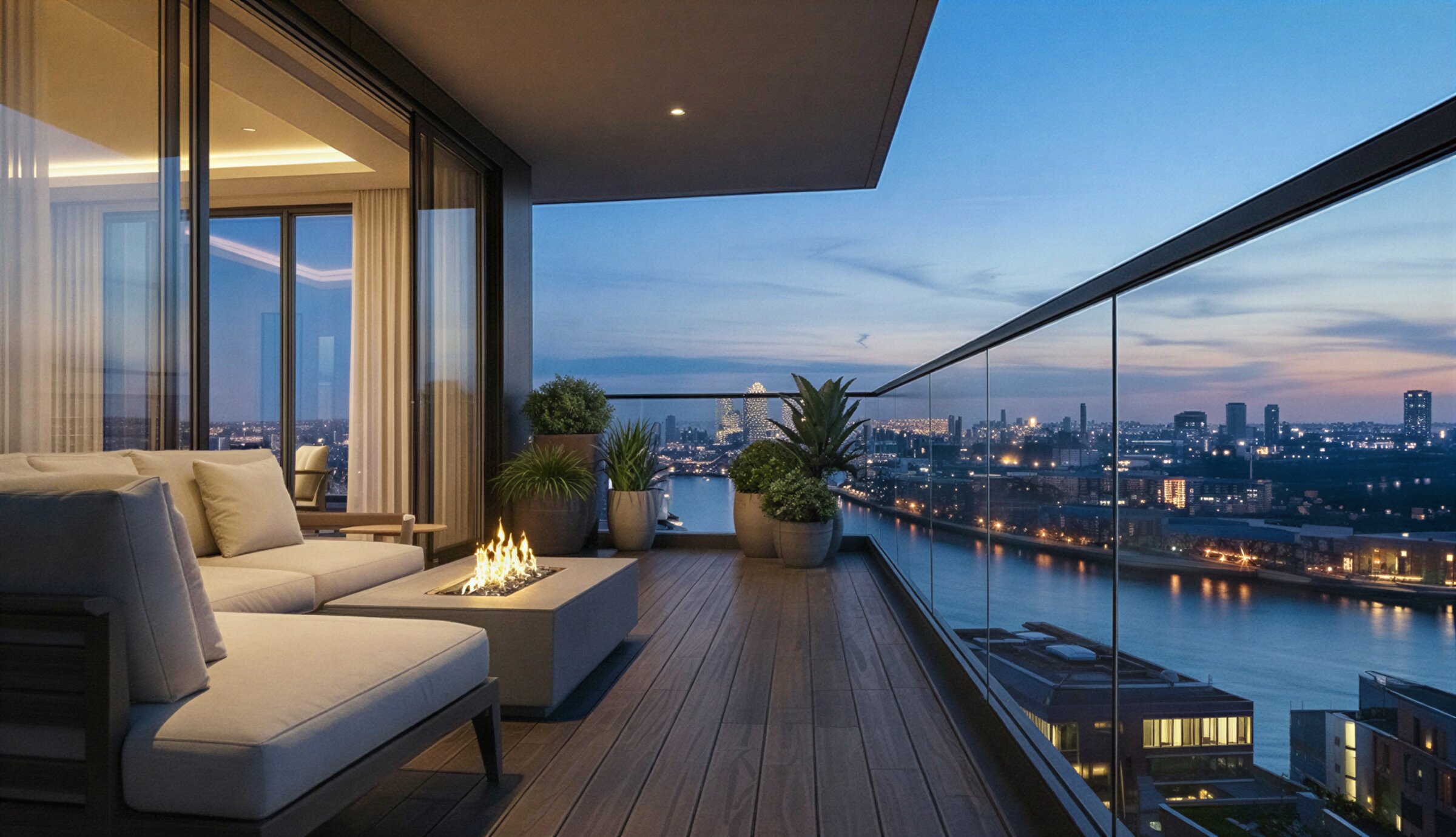
Pennsylvania enforces the Uniform Construction Code (UCC), which adopts the IBC 2018, IRC 2018, and related ICC codes with Pennsylvania-specific amendments. The UCC is administered by the PA Department of Labor & Industry and enforced by local building code officials or third-party agencies. Philadelphia has its own additional requirements that supplement the UCC.
Code Sections & Requirements
Guard / Railing Height
PA UCC / IBC §1015 / IRC R312Residential guards: 36 in. min. Commercial guards: 42 in. min. Pennsylvania follows standard IBC/IRC provisions. Guards required at open-sided walking surfaces exceeding 30 in. above grade.
Pool Barrier Requirements
PA UCC / IBC 3109 / IRC R326Pool barriers must be at least 48 in. high. Self-closing, self-latching gates required. Pennsylvania follows IBC/IRC pool barrier provisions. Municipal swimming pool regulations (PA Code Title 28, Chapter 18) apply to public/commercial pools.
Safety Glazing
PA UCC / IBC §2406Safety glazing per ANSI Z97.1 or CPSC 16 CFR 1201 in hazardous locations. All glass guards, railings, and pool barriers must be safety glazed.
Wind Load Design
ASCE 7-22Design wind speeds in Pennsylvania range from 105-115 mph. The state has moderate wind requirements compared to coastal states. Mountainous areas may have localized higher wind exposure.
Snow Load
ASCE 7-22 / PA amendmentsPennsylvania ground snow loads range from 20 psf in southeastern PA (Philadelphia area) to 50-70 psf in the Pocono Mountains and northern tier. Snow drift against glass barriers must be considered in engineering.
Philadelphia-Specific
Philadelphia Building Code supplementsPhiladelphia supplements the UCC with city-specific requirements including L&I permit process, registered contractor requirements, and historical district review for properties in designated areas.
Residential vs. Commercial Requirements
| Requirement | Residential | Commercial |
|---|---|---|
| Guard Height | 36 in. minimum | 42 in. minimum |
| Pool Barrier Height | 48 in. minimum | 48 in. minimum |
| Glass Type | Tempered or laminated safety glazing | Tempered or laminated safety glazing |
| Wind Load Design | Per ASCE 7-22 (105-115 mph) | Per ASCE 7-22 (105-115 mph) |
| Snow Load | 20-70 psf (varies by region) | 20-70 psf (varies by region) |
| Engineering Drawings | Required for permit | PE-stamped required |
| Permit Required | Yes — UCC permit | Yes — UCC permit |
| Code Enforcement | Municipal or 3rd party | Municipal or 3rd party |
Permit Process in Pennsylvania
- Submit building permit application to the local code enforcement agency (municipal building department or approved third-party agency).
- Pennsylvania allows municipalities to use third-party code enforcement agencies if they don't have their own building department.
- Include construction plans, product specifications, and engineering. PE-stamped drawings required for commercial projects.
- In Philadelphia: File with the Department of Licenses & Inspections (L&I). Registered contractors required.
- Schedule inspections per the PA UCC inspection schedule — foundation and final inspections are standard.
- Properties in historic districts (Philadelphia, Pittsburgh, Lancaster, etc.) may require additional historical review.
Frequently Asked Questions
What building code does Pennsylvania use for glass railings?
Pennsylvania enforces the Uniform Construction Code (UCC), which adopts the IBC 2018 and IRC 2018 with state amendments. Standard guard heights (36 in. residential, 42 in. commercial) and safety glazing requirements apply. Building permits are required through local code enforcement.
Does Philadelphia have special glass railing requirements?
Philadelphia supplements the PA UCC with city-specific requirements. Permits are filed through the Department of Licenses & Inspections (L&I). Registered contractors are required. Properties in Philadelphia's historic districts may need Historical Commission review for exterior modifications.
What is the frost line depth in Pennsylvania?
Pennsylvania's frost line depth is 36 inches in the southeastern part of the state and 42-48 inches in northern and mountainous areas. Post foundations for glass railings must extend below the frost line. This is critical to prevent heaving and structural movement during freeze-thaw cycles.
Do Pocono Mountain properties need special glass railing engineering?
Yes. The Pocono region has ground snow loads of 50-70 psf, which creates significant lateral loads when snow drifts against glass barriers. Engineering must account for snow drift, freeze-thaw foundation design, and the full temperature range from -10°F to 95°F. UV-resistant materials are recommended due to altitude.
What pool fence requirements apply in PA suburbs?
Pennsylvania follows IBC 3109 for pool barriers: 48-inch minimum height, self-closing/self-latching gates, no climbable elements. Enforcement is through the local code official or third-party agency. Main Line suburbs (Lower Merion, Radnor, Tredyffrin) and Bucks County communities actively enforce pool barrier requirements.
Is a contractor license required for glass fencing in PA?
Pennsylvania requires contractor registration with the PA Attorney General's office for residential projects (Home Improvement Contractor Registration). Philadelphia requires additional registered contractor status through L&I. Commercial projects require appropriate contractor licensing per the project scope.
How long does a glass railing permit take in Pittsburgh?
Pittsburgh Bureau of Building Inspection typically processes residential building permits within 2-4 weeks. Simple projects may be faster with over-the-counter review. Commercial projects requiring plan review take 4-8 weeks. Online permit applications are available through PLI (Pittsburgh Permits, Licenses & Inspections).
Are glass railings popular in the Philadelphia suburbs?
Growing rapidly. The Main Line communities (Bryn Mawr, Gladwyne, Villanova), Bucks County estates, and New Jersey shore-adjacent communities are strong markets. Glass pool fencing and deck railings are increasingly replacing traditional materials in the premium residential segment.
INFINITYGLASS™ Service Areas in Pennsylvania
Explore glass railing and fencing services in Pennsylvania cities:
Need Code-Compliant Glass Systems in Pennsylvania?
INFINITYGLASS™ provides PE-stamped engineering and permit-ready documentation for every project.
Get a Free Quote →