Colorado Glass Railing & Fencing Building Codes
Colorado building code requirements for glass railings and pool barriers. Snow load and altitude considerations, wind design, and mountain building codes.
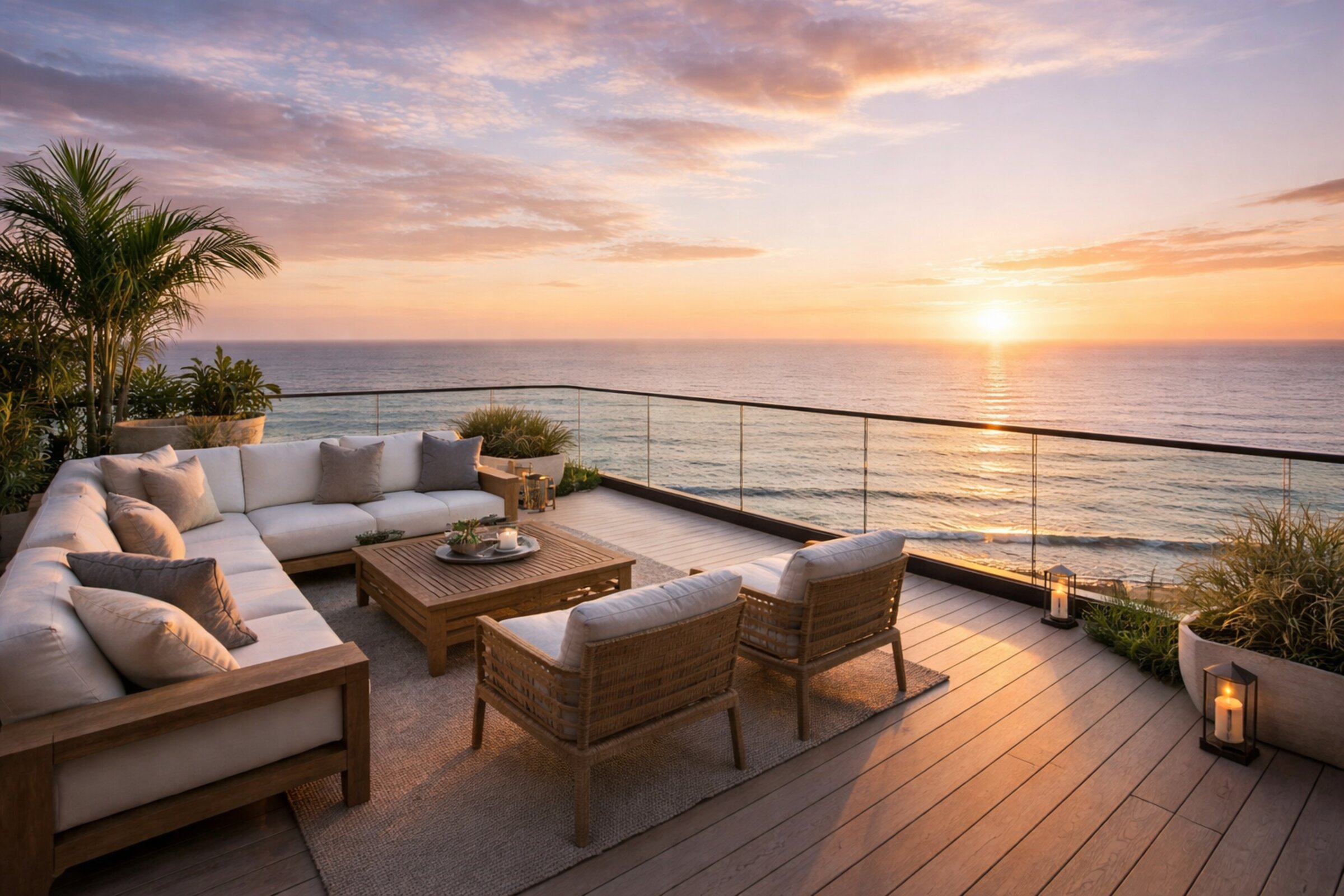
Colorado follows the International Building Code (IBC) 2018 as adopted statewide, with local jurisdictions permitted to adopt more recent editions. The state's dramatic elevation changes (3,500 to 14,000+ feet) create unique engineering challenges including significant snow loads, extreme wind exposure on mountain properties, and altitude-related UV intensity that accelerates hardware degradation.
Code Sections & Requirements
Guard / Railing Height
IBC Section 1015 (CO adopted)Residential guards: 36 in. min. Commercial guards: 42 in. min. Snow depth accumulation against barriers is an additional design consideration at higher elevations.
Pool Barrier Requirements
IBC Section 3109 / IRC R326 (CO adopted)Pool barriers must be at least 48 in. high with self-closing, self-latching gates. Colorado follows standard IBC pool barrier provisions. Some municipalities (e.g., Denver) have additional pool safety ordinances.
Snow Load Design
ASCE 7-22 / CO amendmentsGround snow loads in Colorado range from 20 psf in eastern plains to 200+ psf in mountain passes. Drifting snow against glass barriers creates concentrated lateral loads that must be engineered. The Colorado Snow Load Study provides site-specific ground snow load data.
Wind Load Design
ASCE 7-22Design wind speeds range from 105 mph in sheltered valleys to 140+ mph on exposed mountain ridges. High-altitude properties may experience sustained winds exceeding 100 mph during winter storms. Topographic speed-up effects are common on mountain properties.
Safety Glazing
IBC Section 2406 (CO adopted)Safety glazing per ANSI Z97.1 or CPSC 16 CFR 1201 required in hazardous locations. Tempered or laminated glass for all guards and railings.
Altitude / UV Considerations
Engineering practiceUV intensity increases approximately 10-12% per 3,000 feet of elevation gain. At 9,000+ feet, UV exposure accelerates degradation of gaskets, sealants, and powder coatings. Specify UV-resistant materials for all mountain installations.
Residential vs. Commercial Requirements
| Requirement | Residential | Commercial |
|---|---|---|
| Guard Height | 36 in. minimum | 42 in. minimum |
| Pool Barrier Height | 48 in. minimum | 48 in. minimum |
| Glass Type | Tempered or laminated safety glazing | Tempered or laminated safety glazing |
| Snow Load Design | Per ASCE 7-22 + CO snow study | Per ASCE 7-22 + CO snow study |
| Wind Load Design | Per ASCE 7-22 (105-140+ mph) | Per ASCE 7-22 (105-140+ mph) |
| Engineering Drawings | Required for mountain areas | PE-stamped required |
| Permit Required | Yes in most municipalities | Yes — building permit |
| UV-Resistant Materials | Recommended at 7,000+ ft | Recommended at 7,000+ ft |
Permit Process in Colorado
- Submit permit application to your local building department (county or city jurisdiction).
- Include PE-stamped engineering drawings with snow load and wind load calculations specific to your elevation and location.
- Mountain jurisdictions (Summit, Eagle, Pitkin, San Miguel counties) may require additional engineering review for glass systems.
- Schedule foundation inspection — critical in Colorado's freeze-thaw soils. Post foundations must extend below the frost line (36-48 in. in most of Colorado).
- Schedule final inspection after glass installation.
- In resort communities (Vail, Aspen, Telluride, Breckenridge), design review board approval may be required before permitting.
Frequently Asked Questions
Can glass railings handle Colorado snow loads?
Yes, when properly engineered. Glass railings in Colorado must be designed for both the ground snow load at your elevation and the potential for drifting snow accumulation against the barrier. At mountain elevations, this can add significant lateral load. INFINITYGLASS engineers all Colorado installations for site-specific snow and wind conditions.
What is the frost line depth in Colorado for glass fence posts?
Colorado frost line depth ranges from 36 inches on the Front Range to 48+ inches in mountain areas. Post foundations for glass railings must extend below the frost line to prevent heaving. Your engineer will specify the required footing depth based on your specific elevation and soil conditions.
Do Vail and Aspen have special glass railing requirements?
Yes. Resort communities like Vail, Aspen, Telluride, and Breckenridge have design review boards that evaluate aesthetics, materials, and environmental impact in addition to building code compliance. Glass system designs may need to be approved by the design review board before a building permit is issued. This can add 2-8 weeks to the project timeline.
Does altitude affect glass railing hardware in Colorado?
Yes. UV intensity increases approximately 10-12% per 3,000 feet of elevation. At 9,000+ feet, standard powder coatings and gaskets degrade faster. INFINITYGLASS specifies UV-resistant PVDF powder coatings and EPDM gaskets for all mountain installations to ensure long-term performance.
What wind speeds should glass railings be designed for in Colorado mountains?
Mountain properties in Colorado can experience sustained winds exceeding 100 mph and gusts over 140 mph during winter storms. Topographic speed-up effects on ridgelines and passes can further increase wind loads. Engineering must account for these conditions using ASCE 7-22 with appropriate topographic factors.
Are glass pool fences practical at Colorado altitude?
Yes. Glass pool fencing is increasingly popular in Colorado, including mountain resort properties. The key considerations are freeze-thaw foundation design, snow load engineering, and UV-resistant materials. Glass itself is unaffected by altitude, and the crystal-clear appearance complements mountain views beautifully.
What building code does Denver use for glass railings?
Denver adopts the IBC 2018 with local amendments through the Denver Building and Fire Code. Standard guard height requirements apply (36 in. residential, 42 in. commercial). Denver's building department requires permits for structural glass installations and PE-stamped engineering for commercial projects.
How do temperature swings affect glass railings in Colorado?
Colorado can experience 60°F+ temperature swings in a single day, especially in mountain areas. This creates significant thermal expansion and contraction in both glass and metal hardware. Properly engineered installations include expansion clearances in channels and flexible gaskets that accommodate thermal cycling without binding or cracking.
INFINITYGLASS™ Service Areas in Colorado
Explore glass railing and fencing services in Colorado cities:
Need Code-Compliant Glass Systems in Colorado?
INFINITYGLASS™ provides PE-stamped engineering and permit-ready documentation for every project.
Get a Free Quote →