Georgia Glass Railing & Fencing Building Codes
Georgia building code requirements for glass railings and pool barriers. State amendments to IBC, pool enclosure rules, and coastal wind zones.
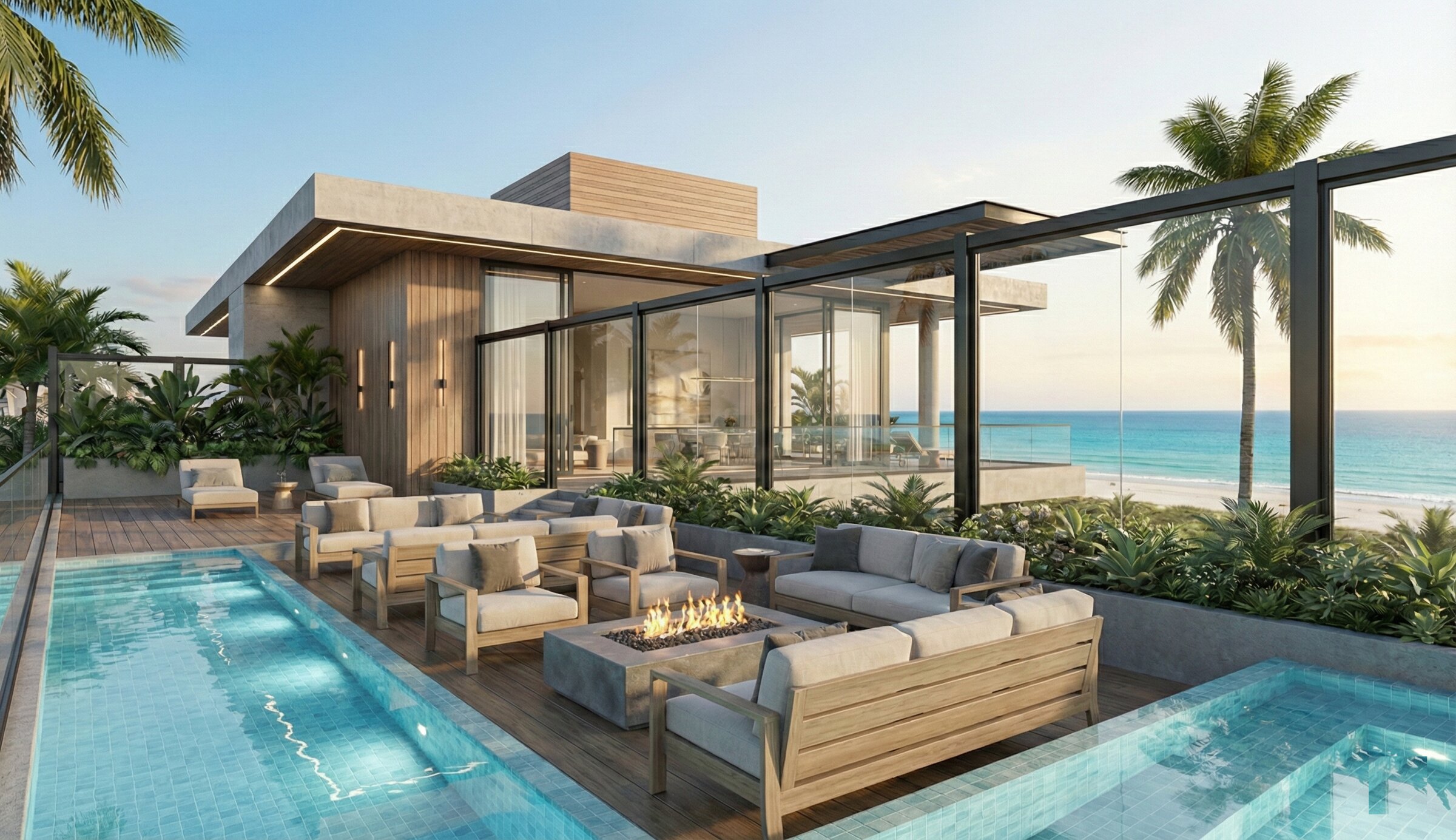
Georgia enforces the International Building Code (IBC) 2012 with Georgia amendments as its mandatory statewide building code through the Georgia Department of Community Affairs (DCA). The state's varied climate — from coastal Savannah's hurricane exposure to Atlanta's temperate conditions — creates different engineering requirements across the state.
Code Sections & Requirements
Guard / Railing Height
IBC Section 1015 (GA adopted)Residential guards: 36 in. min. at stairs, 42 in. at balconies/landings with a drop exceeding 30 in. Commercial guards: 42 in. min. Openings shall not pass a 4-in. sphere.
Pool Barrier Requirements
GA Comp. Rules 120-3-54 / IBC 3109Pool barriers must be at least 48 in. high with self-closing, self-latching gates. Gate latches at 54 in. minimum above grade. Georgia follows IBC pool barrier standards. Local counties (Fulton, Gwinnett, Cobb) may add requirements.
Safety Glazing
IBC Section 2406 (GA adopted)Safety glazing per ANSI Z97.1 or CPSC 16 CFR 1201 in hazardous locations. Tempered or laminated glass for all guard/railing applications.
Wind Load Design
ASCE 7-22 (GA adopted)Design wind speeds: 105-115 mph for Metro Atlanta/North Georgia. 130-150 mph for Savannah and the Georgia coast. Coastal Georgia (Chatham, Bryan, Liberty counties) may require impact-rated glazing for exterior applications.
Glass Type
IBC Section 2404 (GA adopted)Tempered or laminated safety glazing for guards and railings. Coastal wind zones may require laminated glass for exterior installations to maintain barrier integrity after breakage.
Coastal Construction
GA Coastal Marshlands Act / FEMAProperties in Georgia's coastal zone (barrier islands, marshlands) face additional construction requirements including flood zone elevation, wind-resistant design, and potentially impact-rated glazing.
Residential vs. Commercial Requirements
| Requirement | Residential | Commercial |
|---|---|---|
| Guard Height | 36 in. (stairs) / 42 in. (balconies) | 42 in. minimum |
| Pool Barrier Height | 48 in. minimum | 48 in. minimum |
| Glass Type | Tempered or laminated safety glazing | Tempered or laminated safety glazing |
| Wind Load Design | Per ASCE 7-22 (105-150 mph by zone) | Per ASCE 7-22 (105-150 mph by zone) |
| Impact Rating | May be required on coast | May be required on coast |
| Engineering Drawings | Recommended | PE-stamped required |
| Permit Required | Yes in most counties | Yes — building permit |
| Inspections | Foundation + final | Multiple inspections |
Permit Process in Georgia
- Submit permit application to the county or city building department (Georgia does not have a state-level permit office).
- Include construction plans and product specifications. PE-stamped engineering required for commercial projects.
- For coastal properties, include wind load calculations per ASCE 7-22 and any flood zone documentation.
- Schedule foundation/footing inspection before pouring concrete for post bases.
- Schedule final inspection after glass installation. Inspector verifies heights, glass type, and pool barrier compliance.
- In Metro Atlanta counties (Fulton, DeKalb, Gwinnett, Cobb), online permit applications are available.
Frequently Asked Questions
What building code does Atlanta use for glass railings?
Atlanta follows the Georgia statewide building code (IBC 2012 with GA amendments) enforced by the City of Atlanta Department of Buildings. Standard guard heights apply (36 in. residential, 42 in. commercial). Building permits are required for structural glass installations.
Do Savannah coastal properties need hurricane-rated glass?
Savannah and coastal Georgia (Chatham County) have design wind speeds of 130-150 mph per ASCE 7-22. While Georgia doesn't mandate impact-rated glazing statewide, the coastal wind speeds and flood zone requirements make hurricane-rated laminated glass advisable for exterior installations near the coast.
What are Georgia pool fence requirements?
Georgia requires pool barriers at least 48 inches high with self-closing, self-latching gates. Gate latches must be at least 54 inches above grade. Glass panels must meet safety glazing standards and cannot have openings that pass a 4-inch sphere. Local counties may impose additional requirements.
Is a licensed contractor required for glass fencing in Georgia?
Georgia requires contractors to hold a state license for projects exceeding $2,500 in value. Residential glass fencing and railing projects exceeding this threshold must be performed by a Georgia-licensed contractor. Verify license status through the Georgia Secretary of State office.
How long does a glass fence permit take in Metro Atlanta?
Permit turnaround in Metro Atlanta varies by county. Fulton and DeKalb counties typically process residential permits in 1-3 weeks. Gwinnett and Cobb counties are often faster at 5-10 business days. Commercial permits take longer due to plan review requirements. Online applications are available in most Metro Atlanta jurisdictions.
Does Georgia have specific glass thickness requirements?
Georgia's adopted IBC does not prescribe specific glass thickness for railings. The thickness is determined by engineering calculations based on panel size, wind load, guard loading, and mounting system. Common specifications are 1/2-inch tempered for standard railings and 9/16-inch for taller or wind-exposed applications.
Are glass railings popular in Georgia?
Very popular, especially in Atlanta's luxury Buckhead and Midtown markets, Lake Lanier waterfront properties, Savannah's historic district renovations, and Sea Island/St. Simons resort properties. The combination of warm climate, outdoor living culture, and architectural sophistication drives strong demand.
What wind zone is Metro Atlanta in?
Metro Atlanta is in a relatively mild wind zone with design speeds of 105-115 mph per ASCE 7-22. This means standard tempered glass railings are generally suitable without impact-rated requirements. However, tall buildings and exposed locations may require additional wind engineering.
Need Code-Compliant Glass Systems in Georgia?
INFINITYGLASS™ provides PE-stamped engineering and permit-ready documentation for every project.
Get a Free Quote →