Illinois Glass Railing & Fencing Building Codes
Illinois building code requirements for glass railings and pool barriers. Chicago Building Code vs. state code, energy requirements, and permit guidance.
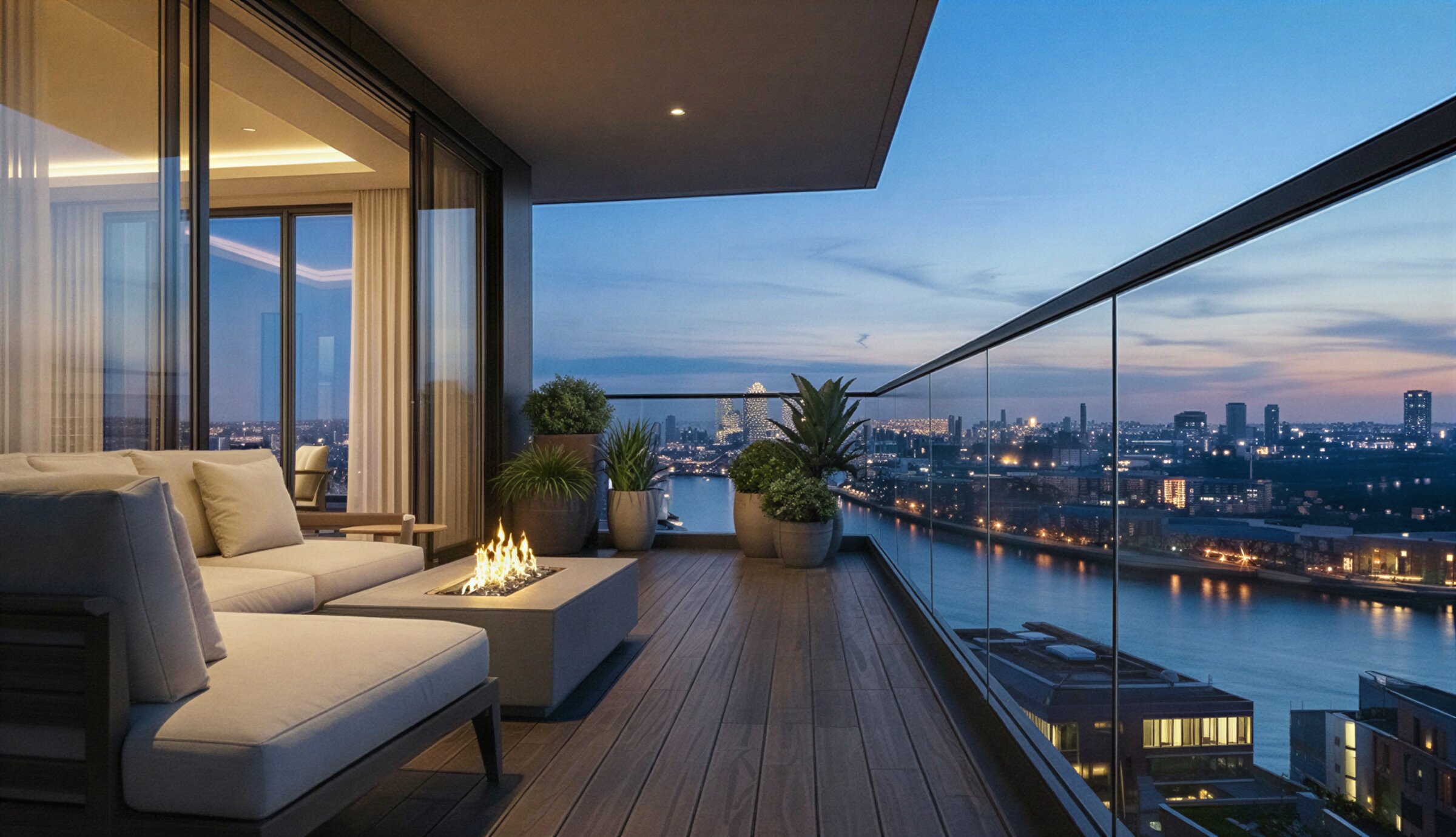
Illinois presents a dual-code environment similar to New York. The State of Illinois adopts the IBC 2021 with amendments for areas outside Chicago. The City of Chicago enforces its own Chicago Building Code, which predates and differs significantly from the IBC in many areas, including glass and glazing requirements. Understanding which code applies is critical for proper project specification.
Code Sections & Requirements
Guard / Railing Height
IBC §1015 / Chicago BC §14-5-501Both codes require 42 in. minimum guard height for commercial. Residential: 36 in. per IBC (outside Chicago). Chicago code may require 42 in. for all occupancies in certain conditions. Verify with Chicago DOB for specific application.
Pool Barrier Requirements
IBC 3109 / IL Admin Code Title 77, Pt. 820Pool barriers must be at least 48 in. high. Illinois Department of Public Health regulates swimming pool safety. Residential pool barriers follow IBC 3109. Commercial/public pools have additional IDPH requirements.
Safety Glazing
IBC §2406 / Chicago BC §14-8-801Safety glazing per ANSI Z97.1 or CPSC 16 CFR 1201. Chicago code has its own referenced standards but generally aligns with national safety glazing requirements. All glass guards and railings must be safety glazed.
Wind Load Design
ASCE 7-22Illinois design wind speeds range from 105-115 mph. Chicago's lakefront can experience wind tunnel effects between tall buildings that increase effective wind loads. Engineers must account for these localized effects in high-rise applications.
Energy Code
IL Energy Conservation Code / Chicago Energy CodeIllinois adopts the IECC with amendments. Chicago has its own energy code. Glass enclosures creating conditioned space must meet thermal performance requirements. Standard open-air railings are exempt.
Chicago-Specific
Chicago Building CodeChicago requires permits through the DOB for all construction work. Licensed contractors are required. The Chicago code has specific provisions for glass in high-rise buildings (buildings over 80 feet) including fire-rated glazing requirements in certain locations.
Residential vs. Commercial Requirements
| Requirement | Residential | Commercial |
|---|---|---|
| Guard Height | 36 in. (IL) / 42 in. (Chicago high-rise) | 42 in. minimum |
| Pool Barrier Height | 48 in. minimum | 48 in. (+ IDPH requirements) |
| Glass Type | Tempered or laminated safety glazing | Tempered or laminated safety glazing |
| Wind Load Design | Per ASCE 7-22 (105-115 mph) | Per ASCE 7-22 + localized effects |
| Engineering Drawings | Required for permit | PE-stamped required |
| Permit Required | Yes — building permit | Yes — Chicago DOB or local |
| Licensed Contractor | Required in Chicago | Required statewide |
| Energy Code | IECC (IL) or Chicago Code | IECC (IL) or Chicago Code |
Permit Process in Illinois
- In Chicago: File permit application through Chicago DOB. A licensed architect or PE must prepare the application for most structural work.
- Outside Chicago: Submit to the local building department with plans and specifications.
- Chicago requires licensed contractors for all construction work — verify General Contractor license with the DOB.
- Include engineering drawings with wind load calculations. In Chicago, account for wind tunnel effects for lakefront and high-rise locations.
- Schedule inspections per local requirements. Chicago DOB may require multiple inspections for high-rise installations.
- For commercial/public pool barriers, obtain Illinois Department of Public Health (IDPH) approval in addition to building permits.
Frequently Asked Questions
Does Chicago use the IBC for glass railing requirements?
No. Chicago enforces its own Chicago Building Code, which is separate from the IBC. While many provisions are similar, the permit process, contractor requirements, and some technical standards differ. All Chicago construction must comply with the Chicago code and be permitted through the Chicago DOB.
What is the frost line depth in Illinois?
The frost line in Illinois is 42 inches in the Chicago area and northern Illinois, decreasing to 36 inches in central Illinois and 24-30 inches in southern Illinois. Glass railing post foundations must extend below the frost line to prevent heaving and structural movement during freeze-thaw cycles.
Do I need a licensed contractor for glass railings in Chicago?
Yes. Chicago requires all construction work to be performed by licensed contractors. General contractors must hold a Chicago DOB license. Glass and glazing work may also fall under specialty contractor requirements. Verify contractor licensing through the Chicago DOB at chicago.gov/buildings.
What wind loads affect glass railings on Chicago lakefront buildings?
Chicago lakefront buildings experience wind tunnel effects that can significantly increase wind loads beyond ASCE 7-22 baseline calculations. Engineers must account for these channeling effects, particularly for buildings along Lake Shore Drive and in the Loop. Computational fluid dynamics (CFD) studies may be recommended for high-rise balcony railing design.
What pool fence requirements apply in suburban Chicago?
Suburban Chicago communities follow the Illinois state building code (IBC 2021 with amendments). Pool barriers must be 48 inches high with self-closing, self-latching gates. Individual suburbs (Naperville, Schaumburg, Evanston, etc.) may have additional local ordinances. Check with your specific municipality.
Are glass railings suitable for Illinois winters?
Yes. Glass is unaffected by cold temperatures, snow, or ice. The key considerations are proper foundation depth below the frost line and hardware that accommodates thermal contraction. INFINITYGLASS specifies thermal-break mounting systems for all Illinois installations to prevent condensation and accommodate temperature cycling from -20°F to 100°F+.
What permits are needed for glass pool fencing in Illinois?
A building permit is required from your local municipality. Commercial and public pools also need Illinois Department of Public Health (IDPH) approval. Permit applications require site plans, product specifications, and engineering. Pool barriers must be inspected before the pool is used.
Is glass fencing popular in the Chicago suburbs?
Increasingly popular. North Shore communities (Winnetka, Lake Forest, Highland Park), western suburbs (Hinsdale, Oak Brook, Naperville), and lakefront developments are strong markets. Glass pool fencing and deck railings are replacing traditional wrought iron and cable systems in the premium residential segment.
INFINITYGLASS™ Service Areas in Illinois
Explore glass railing and fencing services in Illinois cities:
Need Code-Compliant Glass Systems in Illinois?
INFINITYGLASS™ provides PE-stamped engineering and permit-ready documentation for every project.
Get a Free Quote →