South Carolina Glass Railing & Fencing Building Codes
South Carolina building code requirements for glass railings and pool barriers. IRC adoption, hurricane-resistant glazing, and coastal construction codes.
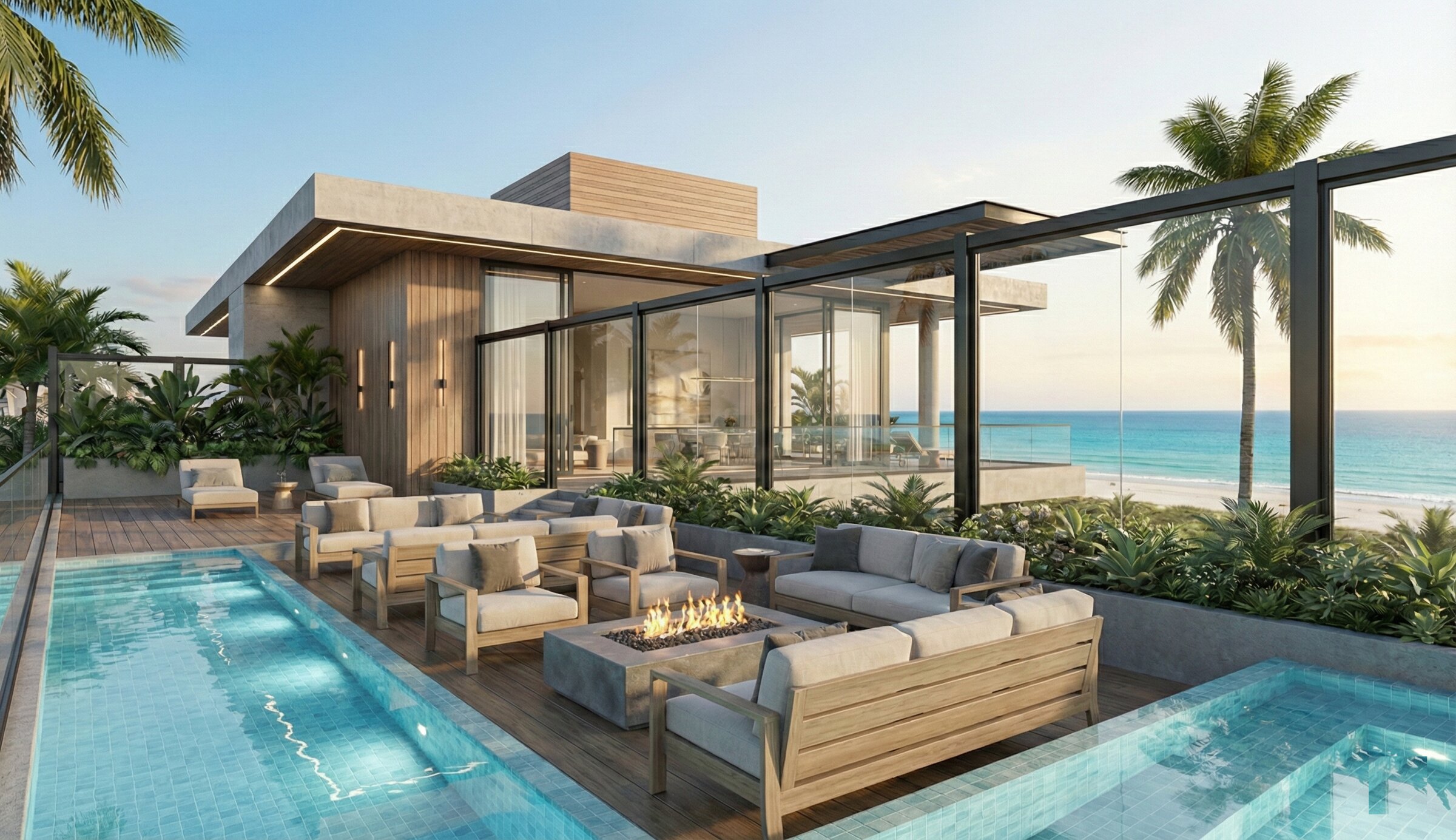
South Carolina enforces the International Building Code (IBC) 2018 and International Residential Code (IRC) 2018 statewide, administered by the SC Building Codes Council. The state's extensive coastline from Myrtle Beach through Charleston to Hilton Head creates significant hurricane-zone requirements for glass installations.
Code Sections & Requirements
Guard / Railing Height
IRC R312 / IBC Section 1015 (SC adopted)Residential guards: 36 in. min. Commercial guards: 42 in. min. Standard IBC/IRC provisions apply without significant SC amendments.
Pool Barrier Requirements
SC Code of Laws §38-37 / IBC 3109Pool barriers must be at least 48 in. high. Self-closing, self-latching gates required. SC insurance code references pool barrier requirements. Local municipalities enforce through building code.
Hurricane-Resistant Glazing
SC Building Code / ASCE 7-22Coastal SC (from Georgetown to Beaufort counties) has design wind speeds of 130-160 mph. Wind-borne debris region requirements apply along the coast. Impact-rated glazing or approved protection required for exterior applications in designated areas.
Safety Glazing
IBC Section 2406 (SC adopted)Safety glazing per ANSI Z97.1 or CPSC 16 CFR 1201. All glass used as guards, railings, or pool barriers must be tempered or laminated safety glass.
Wind Load Design
ASCE 7-22Design wind speeds: 105 mph inland (Columbia, Greenville) to 160 mph on barrier islands (Isle of Palms, Sullivan's Island, Hilton Head). The SC coast is in the hurricane-prone region with wind-borne debris requirements.
Flood Zone / Beachfront
SC Beachfront Management ActProperties seaward of the SC OCRM baseline/setback line face additional construction requirements. Glass installations in the beach/dune area may require OCRM permits.
Residential vs. Commercial Requirements
| Requirement | Residential | Commercial |
|---|---|---|
| Guard Height | 36 in. minimum | 42 in. minimum |
| Pool Barrier Height | 48 in. minimum | 48 in. minimum |
| Glass Type | Tempered or laminated safety glazing | Tempered or laminated safety glazing |
| Hurricane Glazing | Required on coast | Required on coast |
| Wind Load Design | Per ASCE 7-22 (105-160 mph) | Per ASCE 7-22 (105-160 mph) |
| Engineering Drawings | Required on coast | PE-stamped required |
| Permit Required | Yes — building permit | Yes — building permit |
| OCRM Permit | May be required on beachfront | May be required on beachfront |
Permit Process in South Carolina
- Submit building permit application to the local building department (county or municipality).
- For coastal properties, include PE-stamped wind load engineering per ASCE 7-22 for the specific site location.
- Beachfront properties may require an OCRM (Ocean and Coastal Resource Management) permit from SC DHEC.
- Include product specifications showing compliance with safety glazing and impact-resistance standards.
- Schedule foundation and final inspections as required by local jurisdiction.
- Charleston and Beaufort counties have additional historic preservation review for properties in designated districts.
Frequently Asked Questions
Does Charleston require hurricane-rated glass for railings?
Charleston County has design wind speeds of 130-150 mph per ASCE 7-22. Impact-rated glazing is recommended for exterior applications in the coastal wind zone. Additionally, properties in Charleston's historic district require Board of Architectural Review (BAR) approval for exterior modifications, which may affect glass railing design.
What building code does Hilton Head use for glass fencing?
Hilton Head follows the SC statewide building code (IBC/IRC 2018 with SC amendments). As a barrier island, design wind speeds reach 150-160 mph, requiring hurricane-rated glazing for exterior installations. The Town of Hilton Head Island also has a Design Review Board that reviews exterior modifications.
Is impact-rated glass required in Myrtle Beach?
Myrtle Beach (Horry County) has design wind speeds of 130-140 mph. While standard tempered glass may meet some requirements, impact-rated laminated glass is recommended for exposed exterior applications in the coastal wind zone. Check with the City of Myrtle Beach building department for specific requirements.
What pool fence codes apply in South Carolina?
SC follows the IBC 3109 pool barrier requirements: 48-inch minimum height, self-closing/self-latching gates, no climbable elements, openings that won't pass a 4-inch sphere. Local municipalities enforce these through the building permit process. Some HOAs impose additional aesthetic requirements.
Do I need a contractor license for glass fencing in SC?
South Carolina requires contractor licensing through the SC LLR (Department of Labor, Licensing and Regulation) for projects over $5,000. General, mechanical, or specialty glass contractors must be licensed. Verify license status at llr.sc.gov.
What wind zone is Greenville, SC in?
Greenville is inland with design wind speeds of approximately 105 mph — one of the lowest in the state. Standard tempered glass railings are suitable without hurricane-rated requirements. Building permits are required for structural glass installations through the City of Greenville Building Safety Division.
Are glass railings common on SC beachfront homes?
Very common. Glass railings are the preferred choice for SC beachfront homes because they maximize ocean views while meeting hurricane-resistant construction requirements. Frameless systems with laminated tempered glass and marine-grade hardware are standard for barrier island properties.
How do SC historic district requirements affect glass railings?
Properties in designated historic districts (Charleston, Beaufort, Georgetown) require review by the local Board of Architectural Review (BAR). The BAR evaluates whether glass railings are appropriate for the building's architectural character. Modern frameless glass may be approved on rear/side elevations while more traditional designs are required on street-facing facades.
INFINITYGLASS™ Service Areas in South Carolina
Explore glass railing and fencing services in South Carolina cities:
Need Code-Compliant Glass Systems in South Carolina?
INFINITYGLASS™ provides PE-stamped engineering and permit-ready documentation for every project.
Get a Free Quote →