Texas Glass Railing & Fencing Building Codes
Texas building code requirements for glass railings and pool barriers. IRC/IBC adoption, wind zone requirements, local amendments, and permit guidance.
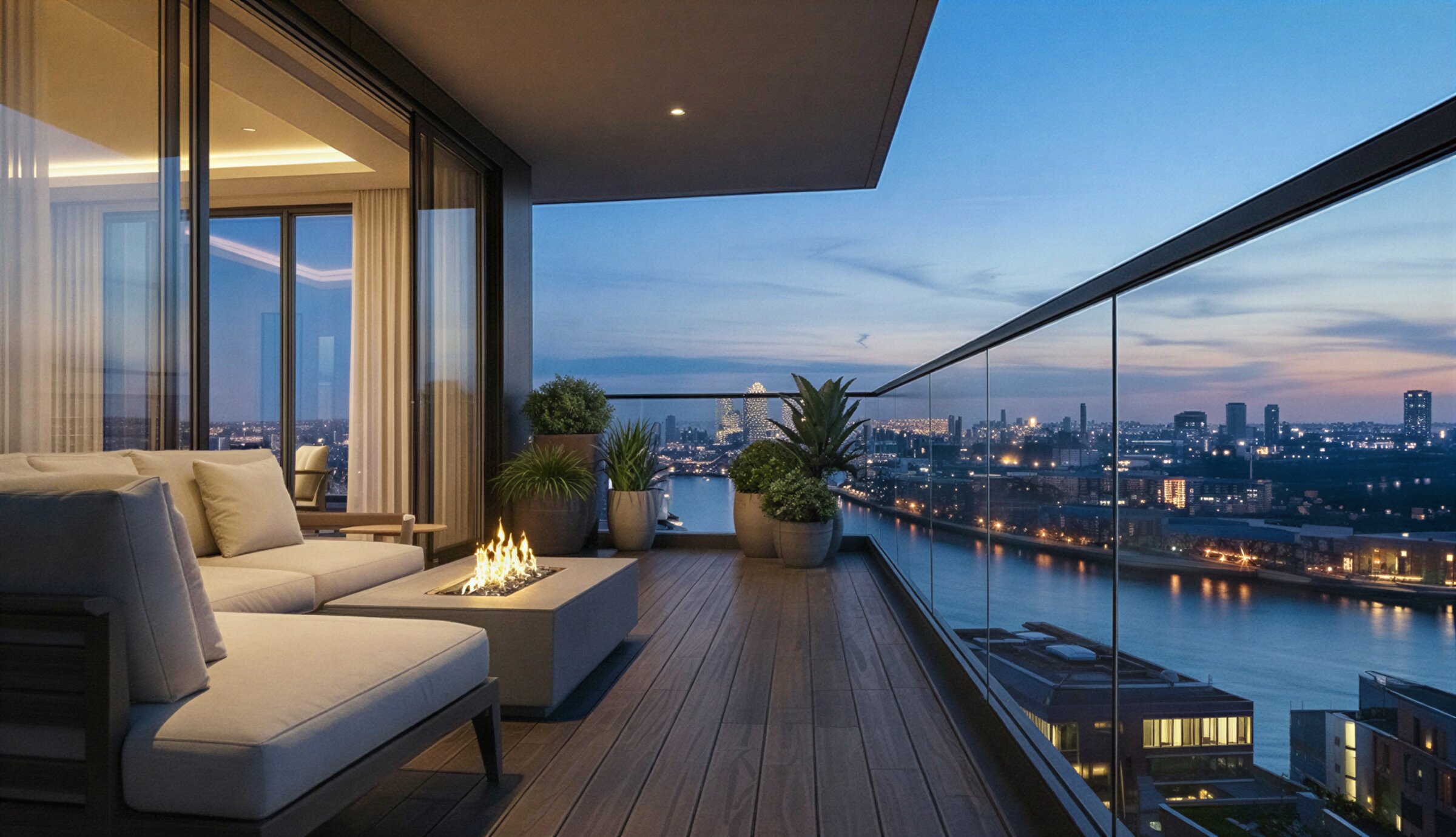
Texas does not enforce a single statewide building code for residential construction — adoption is at the municipal level. However, most Texas cities adopt the International Residential Code (IRC) and International Building Code (IBC) with local amendments. Commercial construction follows the IBC statewide per Texas Local Government Code §214.216. Coastal areas face additional wind load requirements.
Code Sections & Requirements
Guard / Railing Height
IBC Section 1015 / IRC R312Residential guards: 36 in. min. at open-sided walking surfaces. Commercial guards: 42 in. min. Most Texas cities follow these IBC/IRC standards without amendment. Openings shall not pass a 4-in. sphere.
Pool Barrier Requirements
Texas Health & Safety Code Ch. 757Texas requires pool barriers for residential pools. Barriers must be at least 48 in. high with self-closing, self-latching gates. Gate latches must be at least 54 in. above grade or have child-resistant mechanisms. Local ordinances may add requirements.
Safety Glazing
IBC Section 2406 / IRC R308Safety glazing required in hazardous locations per ANSI Z97.1 or CPSC 16 CFR 1201. All glass used as guards, pool barriers, or in proximity to walking surfaces must be tempered or laminated safety glass.
Wind Load Design
ASCE 7-22Texas wind speeds range from 105 mph inland to 160+ mph along the Gulf Coast. Hurricane-prone regions (east of I-35 and south to the coast) require additional wind load considerations. Galveston, Corpus Christi, and coastal counties may require impact-rated glazing.
Glass Type
IBC Section 2404Tempered or laminated safety glazing required for railings and guards. In coastal wind zones, laminated glass with PVB or SGP interlayer is recommended to maintain barrier integrity after breakage. Standard tempered glass is acceptable in most inland locations.
Local Amendments
Varies by municipalityMajor Texas cities (Houston, Dallas, San Antonio, Austin, Fort Worth) adopt the IBC/IRC with local amendments. Houston notably does not have traditional zoning but does enforce building codes. Austin adds specific energy code requirements. Always verify with the local AHJ.
Residential vs. Commercial Requirements
| Requirement | Residential | Commercial |
|---|---|---|
| Guard Height | 36 in. minimum | 42 in. minimum |
| Pool Barrier Height | 48 in. minimum | 48 in. minimum |
| Glass Type | Tempered or laminated safety glazing | Tempered or laminated safety glazing |
| Wind Load Design | Per ASCE 7-22 for site location | Per ASCE 7-22 for site location |
| Impact Rating | Required in coastal wind zones | Required in coastal wind zones |
| Engineering Drawings | May be required by AHJ | PE-stamped required |
| Permit Required | Varies by municipality | Yes — building permit |
| Licensed Contractor | Not required statewide | Varies by municipality |
Wind Zone Details
Texas Gulf Coast counties are in the hurricane-prone wind zone with design speeds of 140-160+ mph. The Texas Department of Insurance Windstorm Inspection Program covers 14 coastal counties and parts of Harris County. Properties in the TWIA area must meet wind-resistant construction standards and may need WPI-8 certification for glass installations. Inland Texas design wind speeds typically range from 105-120 mph.
Permit Process in Texas
- Check with your local building department — not all Texas municipalities require permits for fencing (though pool barriers typically do).
- For cities requiring permits: submit site plan, product specifications, and engineering drawings showing wind load compliance.
- In coastal counties (Galveston, Nueces, Cameron, etc.), include windstorm certification documentation per Texas Dept. of Insurance.
- Austin, Dallas, Houston, San Antonio, and Fort Worth all require building permits for structural glass installations.
- Schedule inspections as required by local AHJ — typically foundation/post and final inspections.
- For properties in the Texas Windstorm Insurance Association (TWIA) area, a WPI-8 certificate may be required for insurance purposes.
Frequently Asked Questions
Does Texas have a statewide building code for glass railings?
Texas requires commercial construction to follow the IBC statewide (Texas Local Government Code §214.216). For residential construction, building code adoption is at the municipal level. Most cities with populations over 5,000 adopt the IRC, but unincorporated areas may not enforce a residential building code. Pool barrier codes apply statewide.
What are the glass pool fence requirements in Texas?
Texas Health & Safety Code Chapter 757 requires pool barriers of at least 48 inches high with self-closing, self-latching gates. Gate latches must be at least 54 inches above grade or use a child-resistant mechanism. Glass panels must meet safety glazing standards per ANSI Z97.1 and cannot have openings that pass a 4-inch sphere.
Do I need a permit for glass fencing in Houston?
Yes. The City of Houston requires building permits for glass railing and fencing installations. Houston follows the IBC/IRC with local amendments. Permit applications require construction drawings, product specifications, and engineering for structural glass. Pool barrier installations always require permits and inspections.
What wind speed rating is needed for glass railings on the Texas coast?
Gulf Coast design wind speeds range from 140-160+ mph depending on the specific location per ASCE 7-22 wind speed maps. In TWIA (Texas Windstorm Insurance Association) designated areas, glass products may need to meet additional windstorm-resistant standards and carry WPI-8 certification for insurance purposes.
Is impact-rated glass required in Texas?
Impact-rated glass is not universally required in Texas. However, it is strongly recommended and may be required by local code or insurance requirements in Gulf Coast counties. The TWIA wind-resistant standards for the 14 coastal counties effectively require impact-rated or protected glazing for exterior applications.
What type of glass is required for residential railings in Austin?
Austin follows the IRC with local amendments. Residential glass railings require tempered or laminated safety glazing per IRC R308. Austin's additional energy code requirements generally do not affect open-air railings. A building permit is required, and PE-stamped engineering is recommended for all structural glass installations.
Does Dallas require PE-stamped drawings for glass fencing?
The City of Dallas requires engineering documentation for structural glass installations. While not always requiring a full PE stamp for simple residential fencing, railing installations on elevated surfaces, pool barriers, and commercial projects typically require PE-stamped drawings. Check with the Dallas Development Services Department for your specific project.
Are glass railings popular in Texas?
Extremely popular. Texas's outdoor living culture, rooftop dining scene, and resort-style pool designs drive strong demand. Austin, Dallas, Houston, and San Antonio all rank among the top U.S. markets for glass railing installations, particularly for pool fencing, rooftop enclosures, and waterfront properties.
INFINITYGLASS™ Service Areas in Texas
Explore glass railing and fencing services in Texas cities:
Need Code-Compliant Glass Systems in Texas?
INFINITYGLASS™ provides PE-stamped engineering and permit-ready documentation for every project.
Get a Free Quote →