How to Inspect Glass Fence & Railing Hardware
Inspect glass fence hardware to ensure safety, strength and long-term durability. Follow INFINITYGLASS™ guide and request expert help for your project today.
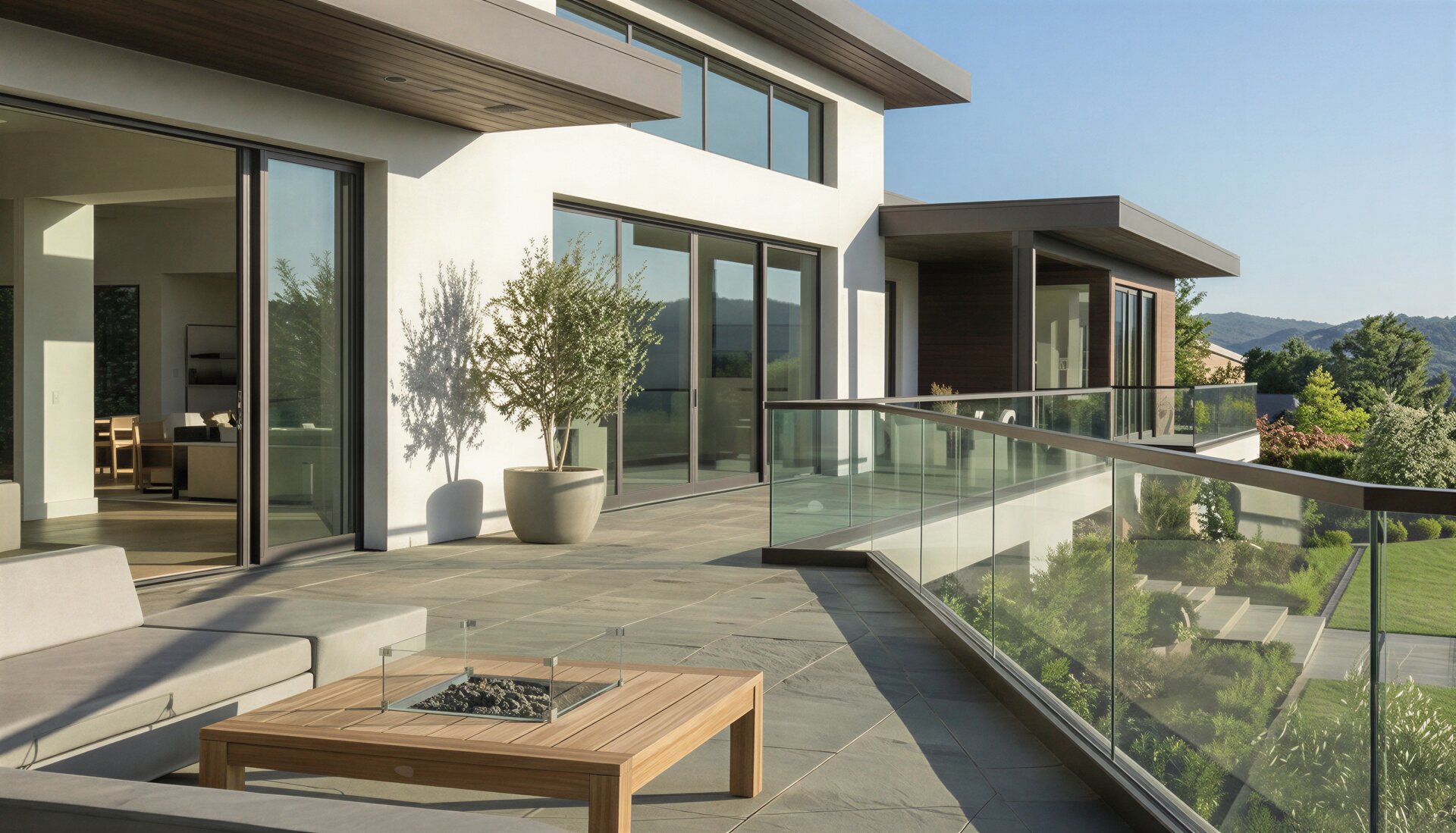
While glass panels are virtually indestructible under normal conditions, the hardware that holds them in place requires periodic inspection. Loose fasteners, corroded connections, and degraded gaskets can compromise system safety and void warranties. A systematic 30-minute inspection twice per year catches problems early when they are simple and inexpensive to fix.
Tools Needed
Step-by-Step Instructions
Visual scan all posts and connections
Walk the entire installation and visually scan every post, bracket, and connection point. Look for obvious signs of damage: bent posts, cracked welds, missing fasteners, visible corrosion, discolored metal, and white powdery deposits (aluminum oxidation). Photograph any concerns for reference and reporting.
Check glass panel stability
At each panel, apply gentle hand pressure near the top center and note the response. Properly secured panels should have minimal movement (slight flex is normal for frameless systems). Excessive wobble, rattling, or any clicking sounds indicate loose hardware. In channel-mount systems, check that glass sits evenly in the channel with no gaps on either side.
Inspect gaskets and rubber components
Examine all rubber gaskets in channel-mount systems. Look for cracking, hardening, shrinkage, and separation from the glass surface. Press the gasket with your finger - it should be resilient and spring back. Hard, brittle gaskets need replacement. Check setting blocks (the small rubber pieces at the bottom of the channel that support the glass weight) for compression or deterioration.
Test fastener tightness
Using the appropriate torque wrench setting from your installation specifications, check representative fasteners throughout the system. Focus on base plate anchors, post-to-structure connections, and any exposed bolts. Do not over-tighten - follow the specified torque values exactly. Mark checked fasteners with a small paint dot so you can track which were verified.
Assess corrosion on metal components
Inspect all metal components for corrosion, paying special attention to the base of posts (where moisture collects), connection points between dissimilar metals, and any areas where the protective finish has been scratched or worn. For stainless steel, look for tea staining (brown spots) which indicates surface contamination, not structural failure. For aluminum, check for white powdery oxidation.
Verify gate operation
Open and close each gate multiple times. Check that self-closing mechanisms engage and fully close the gate from any open position. Verify self-latching mechanisms catch reliably. Test that gate hinges operate smoothly without grinding or binding. For pool barrier gates, confirm the latch engages at least 54 inches above the ground (or per your local code requirement).
Document findings and schedule repairs
Record all findings with photos, locations, and severity assessment. Categorize each issue: cosmetic (address at convenience), maintenance (schedule within 30 days), or safety (address immediately). Contact your installer or a qualified glass system contractor for any safety-category findings. Maintain an inspection log for warranty and insurance documentation.
Frequently Asked Questions
How often should glass fence hardware be inspected?
Perform a thorough hardware inspection every 6 months. In harsh environments (coastal, high-wind, extreme temperature zones), inspect quarterly. After any significant weather event (hurricane, severe storm, hail), perform an immediate inspection regardless of the regular schedule.
What causes glass fence hardware to corrode?
The primary causes are: salt air exposure (coastal environments), galvanic corrosion (dissimilar metals in contact), standing water at bases and connections, chemical exposure (pool chemicals, fertilizers), and protective finish damage. Using the correct metal grade for your environment (316 stainless for coastal, 304 stainless or aluminum for standard) is the first line of defense.
Can I replace glass fence hardware myself?
Simple maintenance like gasket replacement and surface rust treatment can be done by handy homeowners. However, structural hardware replacement (base plates, post connections, channel systems) should be performed by a qualified installer. Improper hardware replacement can compromise the structural engineering of the system and void your warranty.