How to Maintain Glass Railing Systems
Maintain glass railings with proper care tips to ensure strength, safety and long life. Follow INFINITYGLASS™ guide and request support for your project now.
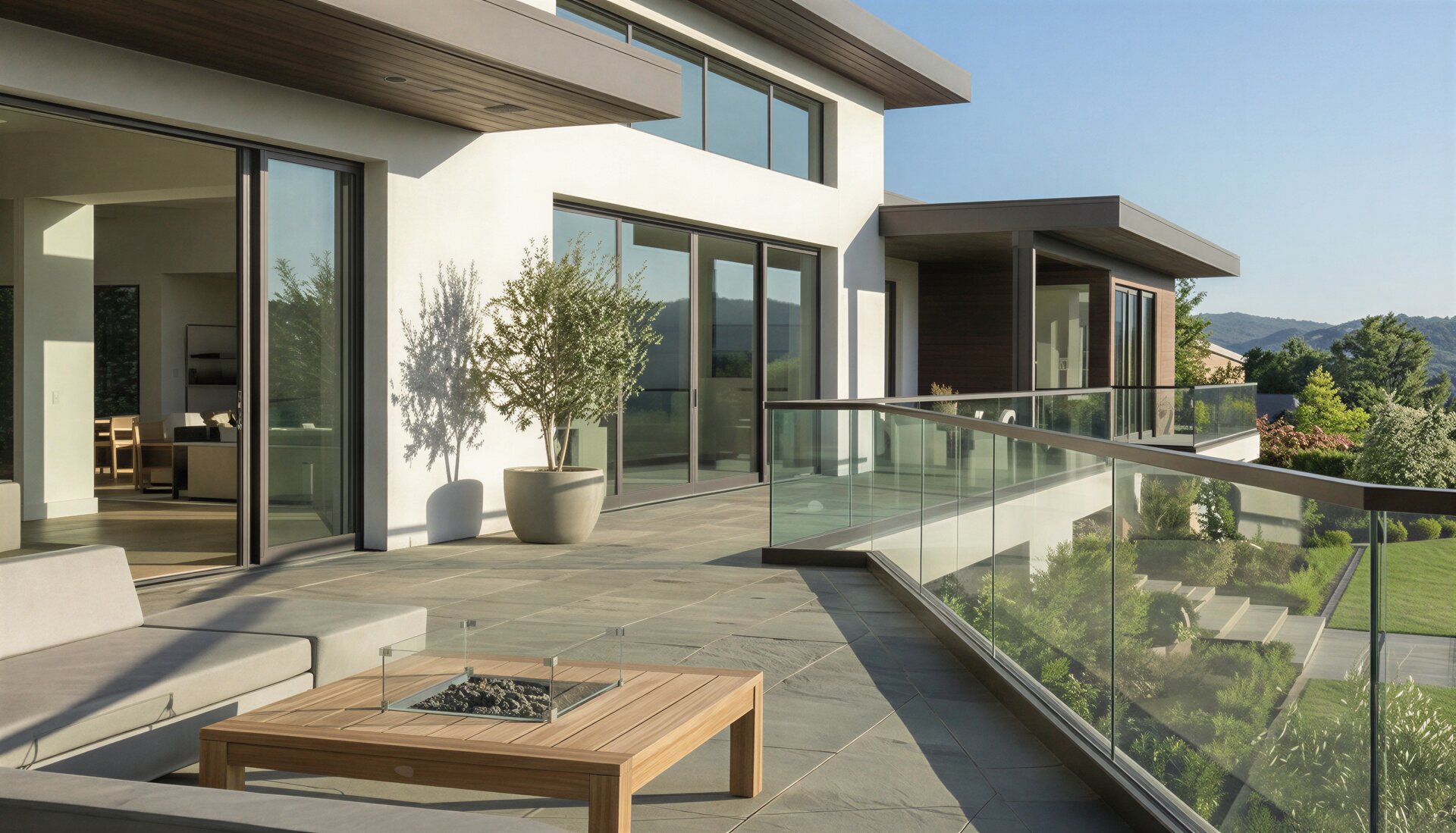
Glass railing systems are among the lowest-maintenance fencing options available, but they are not zero-maintenance. Regular care extends system life, preserves appearance, and ensures ongoing structural safety. This guide covers everything from routine cleaning to annual professional inspections, keeping your glass railings in peak condition for decades.
Tools Needed
Materials
Important Safety Warnings
- Never attempt to re-tension or adjust structural mounting hardware without consulting the installation manual or manufacturer
- Do not apply adhesive weatherstripping or caulk to glass panels without manufacturer approval - improper materials can cause stress fractures
- If you notice a chip on the edge of a tempered glass panel, contact your installer immediately - edge damage can compromise the entire panel
Step-by-Step Instructions
Establish a cleaning schedule
Set a regular cleaning cadence based on your environment. Standard residential: every 4-8 weeks. Coastal or pool-adjacent: every 2-4 weeks. Commercial high-traffic: weekly. Mark your calendar and treat cleaning as routine maintenance, not a reactive task. Consistent cleaning prevents the mineral and organic buildup that becomes progressively harder to remove.
Inspect hardware quarterly
Every 3 months, check all visible hardware: post caps, mounting brackets, channel shoes, and handrail connectors. Look for any looseness by gently pushing on each glass panel - there should be minimal movement. Check for signs of corrosion on metal components, particularly at connection points and the base where moisture collects.
Check gaskets and seals
Examine rubber gaskets and silicone seals in channel mount systems. Look for cracking, hardening, gaps, or sections that have pulled away from the glass. Gaskets should maintain consistent contact with the glass panel. Sun-exposed gaskets degrade faster and may need replacement every 5-8 years depending on UV exposure.
Clean and protect metal components
Clean stainless steel posts and aluminum channels with appropriate metal cleaners. For stainless steel, use a dedicated stainless cleaner applied with a microfiber cloth, wiping in the direction of the grain. For aluminum, use a mild soap solution. Apply a light coat of protective wax to all metal surfaces annually.
Assess drainage around base mounts
Ensure water drains away from base-mounted channel systems. Check that weep holes (drainage channels in the base shoe) are clear and functional. Standing water in channels accelerates corrosion and can freeze in cold climates, potentially cracking the channel or loosening the glass panel.
Document and schedule professional inspection
Once per year, schedule a professional inspection by a qualified glass system installer. They will check structural integrity, verify engineering compliance, assess glass panel condition (checking for edge chips or stress marks), and confirm that all connections meet the original installation specifications. Document each inspection for warranty and insurance purposes.
Frequently Asked Questions
How long do glass railings last?
Glass railing systems are engineered for 25-50+ year service life. The tempered glass panels themselves are virtually permanent - glass does not degrade from UV, moisture, or temperature. Hardware and gasket components may need periodic replacement (gaskets every 5-10 years, hardware varies by material and environment). Proper maintenance significantly extends all component lifespans.
Do glass railings require more maintenance than cable railings?
No, glass railings actually require less maintenance than cable railings. Cable systems need periodic re-tensioning (cables stretch over time), swaging inspection, and corrosion monitoring of individual cable strands. Glass systems need only cleaning and annual hardware checks. The 30-year maintenance cost of glass is typically lower than cable despite the higher initial investment.
What should I do if a glass panel chips?
Contact your installer immediately. Edge chips on tempered glass can compromise the panel structural integrity because the tempering process creates internal stress throughout the glass. A chip relieves stress unevenly and can cause spontaneous breakage. Do not attempt to repair or fill chips - the panel may need replacement.