How to Add LED Lighting to Glass Railings
Install glass railing lighting for improved visibility, safety and modern nighttime ambiance. Contact INFINITYGLASS™ today for installation support now.
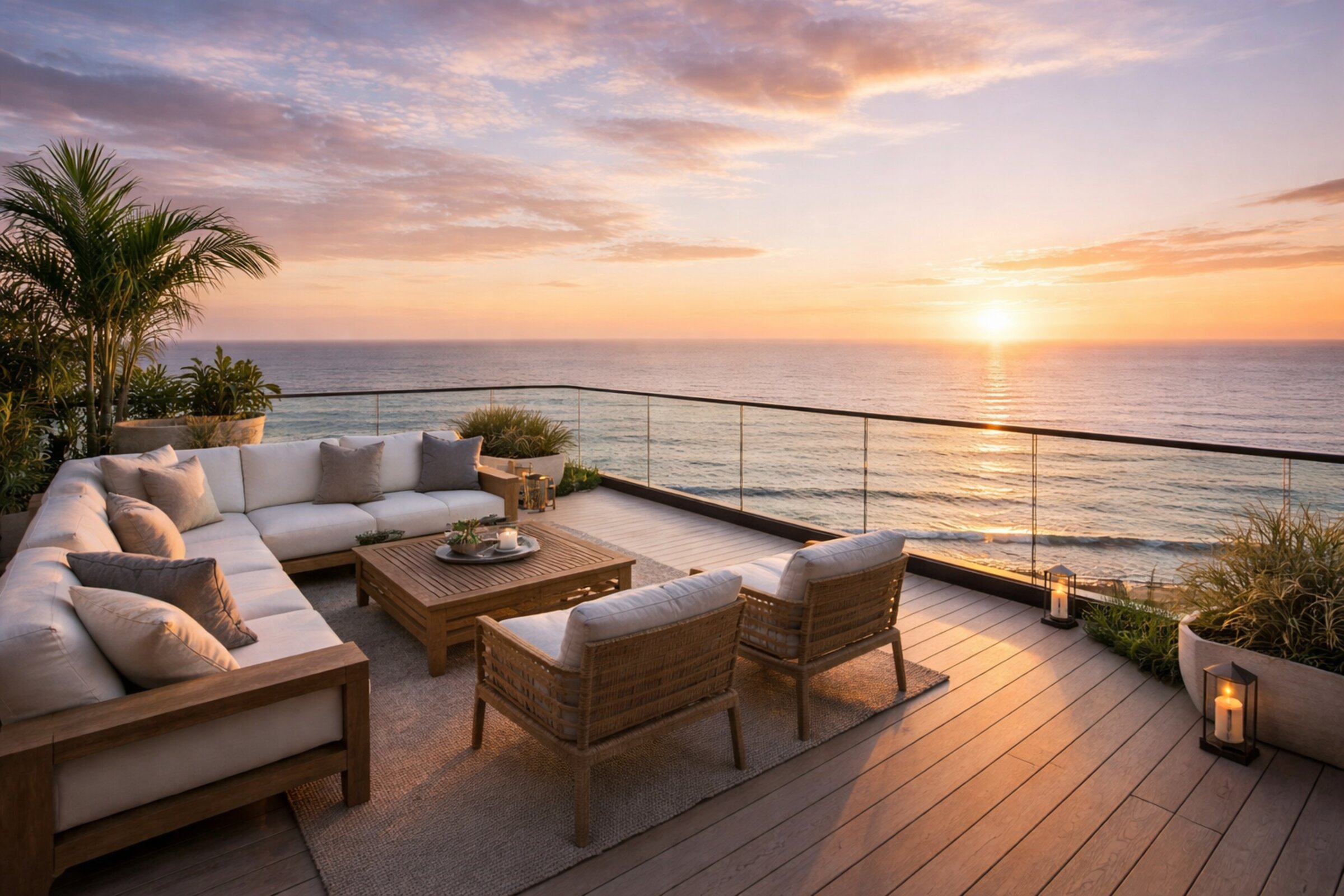
LED lighting transforms glass railings from daytime features into dramatic nighttime design elements. Illuminated glass railings create ambiance, improve safety in low-light conditions, and add significant perceived value to outdoor living spaces. Whether integrated into the handrail cap, mounted at the base, or placed as uplights behind the glass, LED systems are energy-efficient and long-lasting.
Step-by-Step Instructions
Choose your lighting approach
Three primary approaches for glass railing lighting: (1) Integrated handrail LEDs - LED strips built into the top rail cap that cast light downward through the glass, (2) Base-mount channel LEDs - strips in the bottom channel that illuminate upward through the glass panel, and (3) External uplights - landscape fixtures aimed at the glass from the deck or ground level. Each creates a different effect. Handrail LEDs provide even downlight and safety illumination. Base LEDs create dramatic uplight effects. External fixtures offer flexibility but may cause glare.
Select LED specifications
For outdoor glass railing applications, select LEDs rated IP65 or higher for weather resistance. Color temperature: 2700K-3000K (warm white) for residential ambiance, 4000K (neutral white) for commercial visibility. Consider RGBW strips for color-changing capability. Brightness: 300-500 lumens per meter for ambient glow, 800-1200 lumens per meter for safety lighting. Select high-CRI (90+) LEDs for accurate color rendering of the glass and surroundings.
Plan the electrical infrastructure
LED systems require low-voltage power (typically 12V or 24V DC). You will need: a weatherproof transformer/driver sized for total LED wattage plus 20% headroom, outdoor-rated wiring run to the railing location (use conduit for code compliance), a GFCI-protected circuit for the transformer, and optionally a dimmer, timer, or smart controller. For new construction, run conduit during framing. For retrofit, plan wire routing through post cavities or along the base channel.
Install the LED strips
For handrail integration: install the LED strip inside the handrail channel before capping. Use LED channels with diffuser covers to eliminate hot spots and create even light distribution. For base mount: install the strip in the channel before setting glass panels. Ensure the strip adhesive is rated for outdoor temperatures. Waterproof connectors are mandatory at all junction points.
Connect controls and test
Wire the LED strips to the driver/transformer through the controller. Test all zones before finalizing connections. Verify: even light distribution with no dark spots, proper color temperature, dimming function across full range, timer operation, and any smart-home integration. Check that no exposed wires or connections are accessible. All outdoor electrical connections must be in weatherproof junction boxes.
Final waterproofing and commissioning
Seal all wire entry points with silicone or weatherproof glands. Verify that drip loops are present on any vertical wire runs to prevent water migration into junction boxes. Test the GFCI protection. Set your timer or automation schedule. Program scenes if using a smart controller (e.g., low ambient for evenings, brighter for entertaining, color effects for holidays).
Frequently Asked Questions
Do I need an electrician for glass railing LED lighting?
For the low-voltage LED installation itself, most handy homeowners can handle the work. However, the high-voltage side (running a new circuit to the transformer location, installing the GFCI-protected outlet) typically requires a licensed electrician per local electrical codes. Some jurisdictions require electrical permits for any new outdoor wiring.
How much does glass railing LED lighting cost?
Budget $15-$40 per linear foot for quality LED strip lighting, drivers, and controls. Integrated handrail LED systems cost $25-$60 per linear foot. Add $200-$600 for the transformer/driver and controller. Professional installation adds $15-$30 per linear foot. Total project cost for a typical 30-foot railing: $1,200-$3,500 depending on complexity and control sophistication.
How long do LED railing lights last?
Quality outdoor-rated LED strips have a rated life of 50,000-100,000 hours. At 6 hours of daily use, that is 22-45 years. LED drivers typically last 10-15 years. The LED strips will gradually dim over their lifespan (to approximately 70% brightness at rated life), but sudden failure is rare with quality products.