How to Choose the Right Glass Fence Panels
Choose the right glass fence panels based on safety, design and durability needs. Contact INFINITYGLASS™ today for expert guidance and project support now.
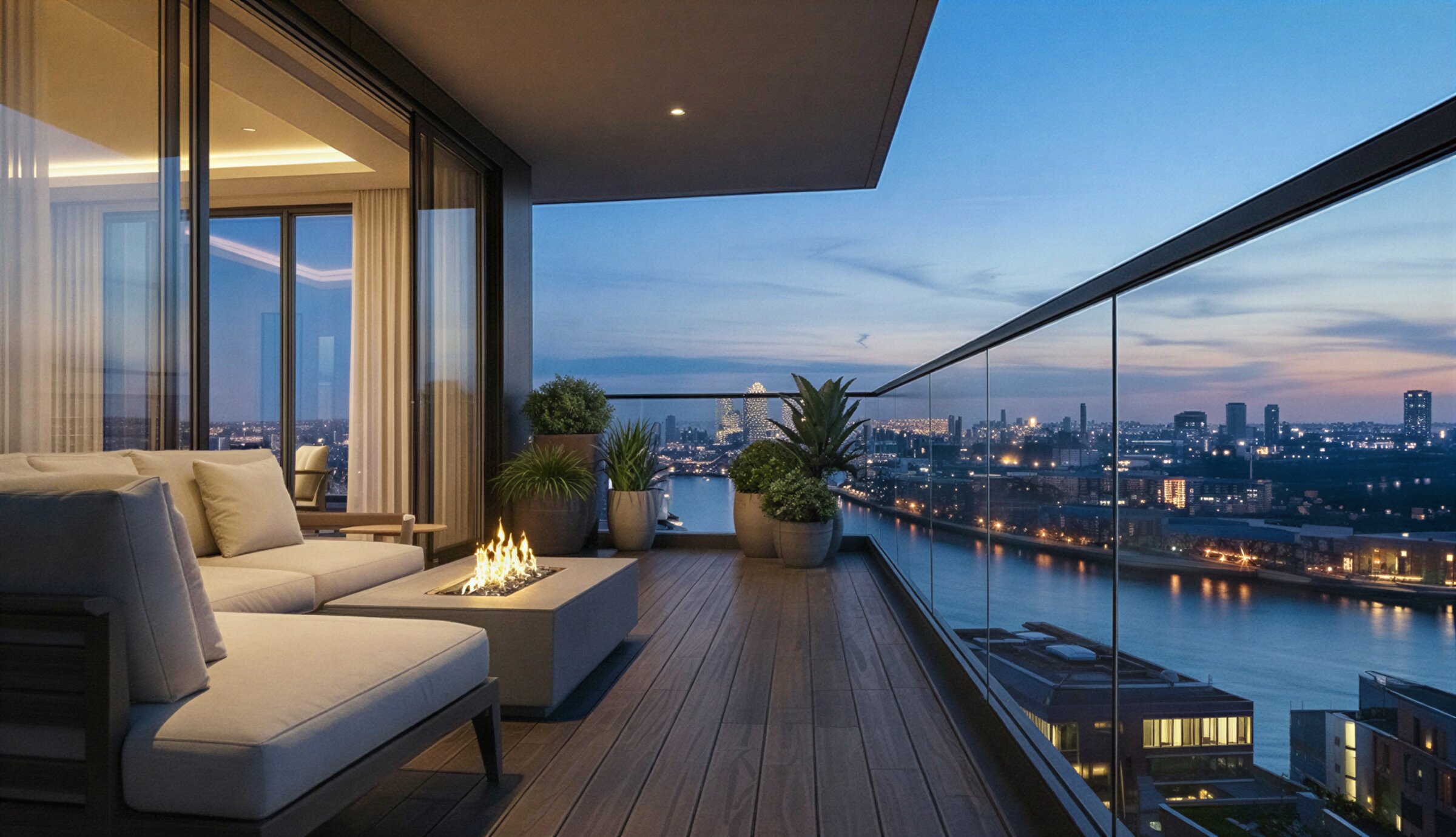
Choosing the right glass fence panels involves balancing aesthetics, safety requirements, budget, and local building codes. The wrong glass specification can mean failed inspections, safety hazards, or unnecessary expense. This guide walks you through every decision point so you select the optimal panels for your specific project.
Step-by-Step Instructions
Determine your application type
Glass panel requirements vary dramatically by application. Pool barriers have different code requirements than deck railings, which differ from wind screens. Identify your primary use case: pool safety barrier, deck/balcony railing, wind screen, privacy partition, or decorative fencing. Each has specific building code requirements that dictate minimum glass thickness, type, and height.
Check local building code requirements
Contact your local building department or check your municipal code online for glass fencing requirements. Key specifications to confirm: required glass type (tempered vs. laminated), minimum thickness, maximum span between supports, required height, and whether PE-stamped engineering drawings are required for permit. Most jurisdictions require safety glazing per ANSI Z97.1 or CPSC 16 CFR 1201.
Select glass type
Tempered glass is the standard for railings and fencing - it is 4-5x stronger than regular glass and breaks into small granular pieces. Laminated glass holds together when broken and is required for hurricane zones and overhead applications. Tempered-laminated combinations offer the best of both. For most residential railings, 1/2-inch tempered glass is the standard specification.
Choose glass thickness
Glass thickness depends on panel size, wind load, and mounting system. Standard thicknesses: 3/8-inch for small panels in low-wind areas, 1/2-inch for standard railings and fencing (most common), 5/8-inch for taller panels or higher wind loads, 3/4-inch for maximum spans or extreme wind zones. Your engineer will calculate the exact requirement based on ASCE 7-22 wind load analysis for your location.
Decide on glass clarity
Standard clear glass has a slight green tint visible at panel edges and thicker dimensions, caused by iron oxide content. Low-iron (ultra-clear) glass eliminates this tint for crystal-clear transparency. The difference is most noticeable on frameless systems where panel edges are visible. Low-iron adds approximately 15-25% to glass cost but significantly enhances the aesthetic of frameless installations.
Consider tint and privacy options
Beyond clear glass, options include: gray tint (reduces glare, moderate privacy), bronze tint (warm tone, sun reduction), frosted/acid-etched (maximum privacy while admitting light), and ceramic frit patterns (custom decorative patterns). Tinted and frosted options reduce transparency, so balance privacy needs against view preservation.
Select your mounting system
The mounting system determines the final appearance: base shoe/channel mount (frameless look, glass sits in a channel at the base), post-mount (glass between vertical posts, with or without top rail), standoff mount (glass attached to posts via visible hardware points). Frameless channel systems offer the most transparent appearance but typically cost 20-40% more than post-mounted systems.
Get a professional engineering assessment
Before finalizing your specification, get a professional assessment. An engineer will verify that your selected glass type, thickness, and mounting system meet local codes for your specific site conditions including wind exposure, height above grade, and structural support. This step prevents costly re-engineering after fabrication.
Frequently Asked Questions
What thickness of glass do I need for a fence?
For most residential glass fencing and railing applications, 1/2-inch (12mm) tempered glass is the standard specification. Taller panels, high-wind locations, or wider spans may require 5/8-inch or 3/4-inch glass. A structural engineer will determine the exact requirement based on your specific conditions and local building codes.
Is tempered or laminated glass better for fencing?
For standard railings and fencing, tempered glass is the most common choice - it is strong, cost-effective, and meets safety glazing requirements. Laminated glass is required in hurricane zones, for overhead applications, and where fall protection is needed (the interlayer holds broken glass in place). Many premium installations use tempered-laminated combinations for maximum safety.
Does low-iron glass make a difference?
Yes, significantly. Standard glass has a greenish tint from iron oxide that becomes very apparent at thicker dimensions and panel edges. Low-iron glass eliminates this tint for true crystal-clear transparency. The upgrade costs 15-25% more but is highly recommended for frameless systems where edge clarity is part of the aesthetic.
Can glass fence panels be customized in size?
Yes. Glass fence panels are custom-cut to your exact dimensions before tempering. Standard panel widths range from 24 to 60 inches, with heights from 36 to 72+ inches. However, all cutting and drilling must be done before the tempering process - tempered glass cannot be modified after heat treatment.