Glass Fencing vs. Cable Railing
Glass railing vs. cable railing: view quality, wind protection, safety, maintenance, and cost compared for decks, balconies, and commercial use.
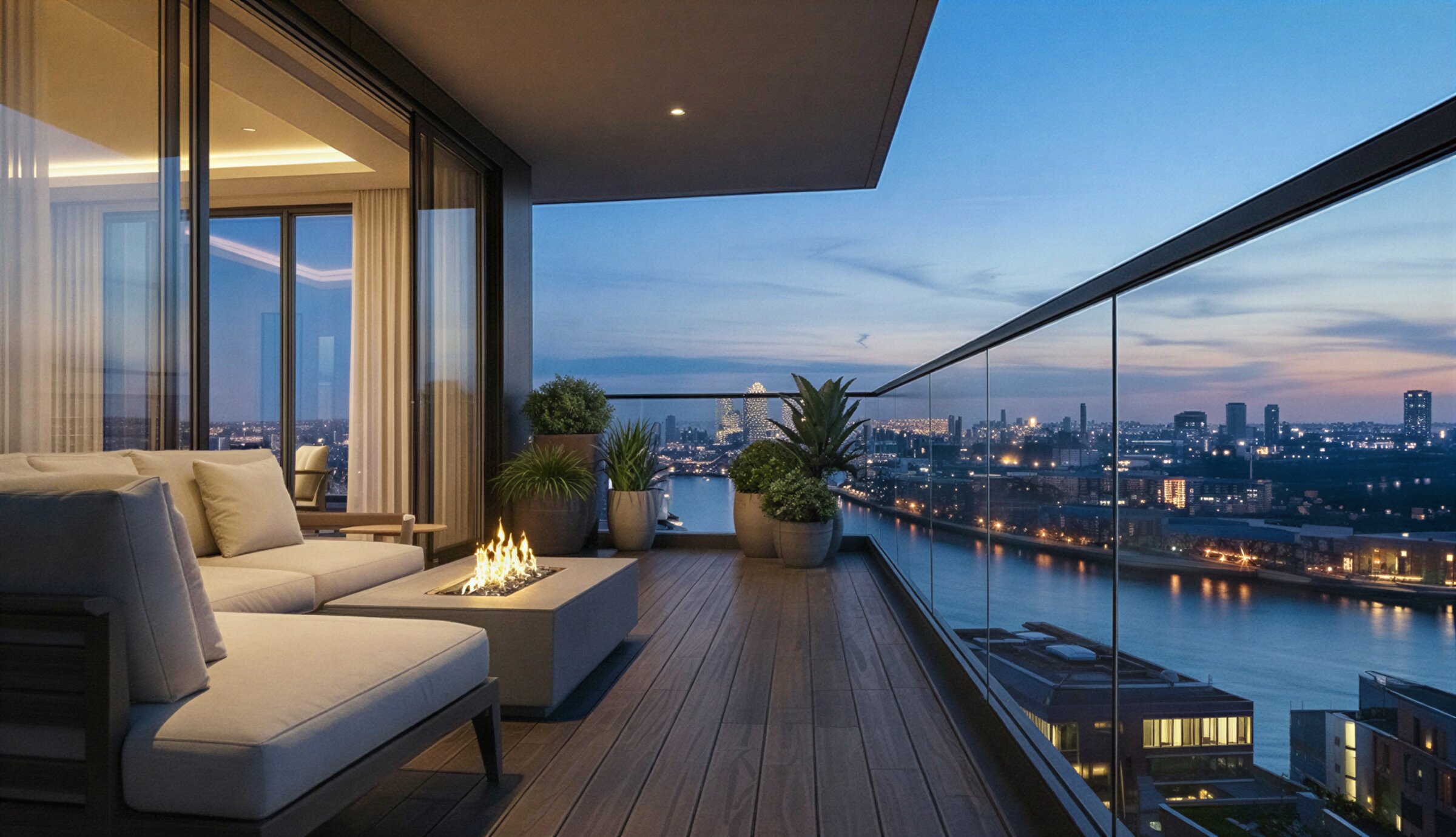
Cable railing and glass railing are both modern, minimalist alternatives to traditional picket railings. While cable railings offer good transparency through thin horizontal cables, glass provides complete transparency with the added benefits of wind protection and a non-climbable surface.
Pros & Cons
Glass Railing
- 100% view transparency
- Complete wind protection
- Non-climbable surface
- Sound dampening
- No lines obstructing views
- Hurricane-rated options available
- Higher cost than cable
- Heavier panels require structural support
- Shows smudges and water spots
- More complex installation
Cable Railing
- Good transparency between cables
- Lower cost ($60-$150/ft)
- Lighter weight on structure
- Easier to install
- Modern industrial aesthetic
- Minimal visual profile
- Horizontal cables obstruct views at eye-crossing points
- No wind protection
- Cables can be climbed by children
- Cables require periodic re-tensioning
- Code restrictions in some jurisdictions for commercial use
Feature-by-Feature Comparison
| Feature | Glass Railing | Cable Railing |
|---|---|---|
| View Quality | Complete unobstructed | Good but lined |
| Wind Protection | Complete windbreak | None |
| Climb Resistance | Non-climbable | Climbable (horizontal cables) |
| Cost | $150-$500/ft | $60-$150/ft |
| Maintenance | Clean glass | Re-tension cables annually |
| Weight on Structure | Heavier | Lighter |
| Sound Dampening | Yes | None |
| Code Compliance | Universally accepted | Restrictions in some areas |
| Hurricane Rating | Available | Not available |
Best For: Which Should You Choose?
The Verdict
Glass railing is the superior choice for view-critical and wind-exposed applications, as well as family homes where child safety is a concern. Cable railing is a solid, more affordable modern option for projects where wind protection is unnecessary, views are less critical, and the industrial cable aesthetic is desired.
Frequently Asked Questions
Are cable railings safe for children?
Cable railings present a climbing risk because the horizontal cables act as a ladder. Building codes in some jurisdictions restrict horizontal cable railings in residential and commercial applications due to this safety concern. Glass railings eliminate this risk entirely with their smooth, non-climbable surface.
Do cable railings block the view more than glass?
Yes. While individual cables are thin, multiple horizontal cables at 3-inch spacing create visible lines across the view. At certain angles, cables can significantly obstruct panoramic views. Glass provides truly unobstructed transparency from any angle.
Which is better for windy locations?
Glass is dramatically better in windy conditions. Glass panels create a complete windbreak that protects the space behind the railing. Cable railings provide zero wind protection. For rooftops, oceanfront properties, and elevated decks, glass transforms exposed spaces into comfortable ones.
How often do cable railings need re-tensioning?
Cable railings require re-tensioning at least once per year, and more frequently in the first year after installation as cables settle and stretch. Each cable must be individually adjusted to the correct tension — too loose and the cable sags, too tight and it can damage the end posts. A 50-foot run with cables at 3-inch spacing has 15-20 individual cables to tension. Glass railings require zero tensioning or structural adjustment after installation.
Do cable railings meet building code everywhere?
Cable railings face code restrictions in some jurisdictions. Certain municipalities prohibit horizontal cable railings in commercial applications or in residential areas with children, because the horizontal cables can be climbed like a ladder. The IBC requires that guards in assembly occupancies not have horizontal elements between 2 and 34 inches that can be climbed. Glass railings are universally code-compliant with no climbing concerns.
What is the cost difference between glass and cable railing?
Cable railing costs $60-$150 per linear foot installed versus $150-$500 per linear foot for glass. However, cable railing has ongoing maintenance costs (annual re-tensioning at $2-$5 per cable, cable replacement every 10-15 years) while glass has near-zero maintenance cost. Over 25 years, the total cost gap narrows to approximately 30-50% rather than the 60-70% gap at initial installation.
Can cable railing provide any wind protection?
No. Cable railings provide zero wind protection because the cables occupy less than 5% of the railing surface area. Wind passes through completely unimpeded. If wind comfort matters — and it always matters on elevated decks, rooftops, and coastal properties — glass is the only railing material that functions as a windbreak.
Which looks better on a modern home: glass or cable?
Both suit modern architecture, but they create different effects. Glass railings are virtually invisible, maximizing the architectural focus on the view and the building itself. Cable railings create a linear, industrial aesthetic with thin horizontal lines across the view. Glass is generally preferred for luxury contemporary homes; cable is popular for industrial-modern and rustic-modern styles.
Are glass railings heavier than cable on deck structures?
Yes. A 1/2-inch glass panel weighs approximately 6.5 lbs per square foot versus negligible weight for cable infill. For a 42-inch guard, that translates to roughly 22 lbs per linear foot of glass weight on the deck structure. Most well-built decks can support this load, but older or lightweight-framed decks may need structural reinforcement. An engineer should verify before specifying glass on any existing deck.
More Comparisons
Back to Glass Fencing Guide | Cost Guide | How-To Guides | Solutions | Glossary