How to Choose the Right Glass Railing Hardware Finish
Choose the right glass railing hardware finish for durability, style and environment. Contact INFINITYGLASS™ today for expert advice and project support now.
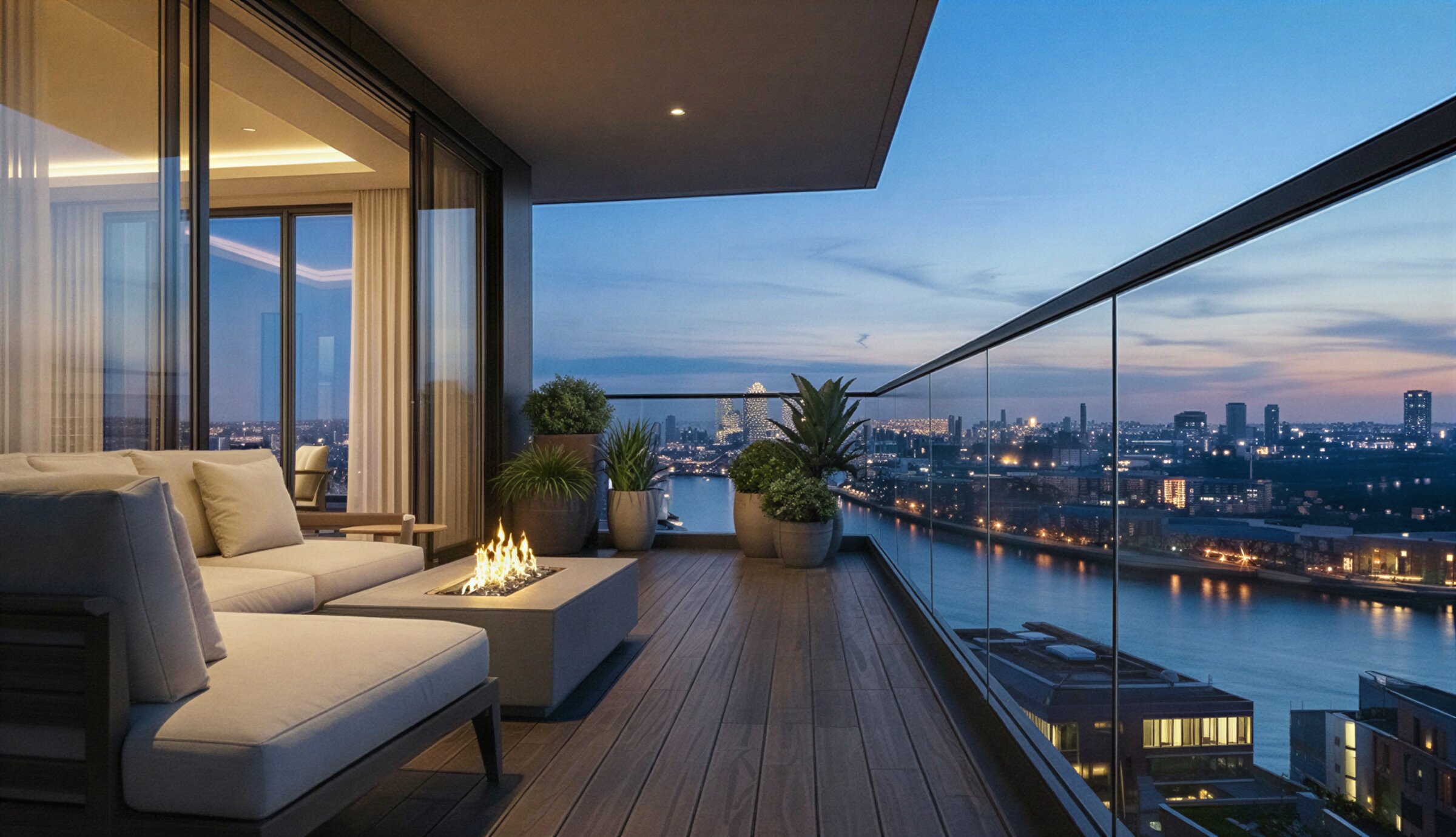
Hardware finish is the design decision that transforms glass railings from a transparent barrier into an architectural statement. The same glass panel system looks completely different with polished chrome versus matte black versus brushed brass hardware. Beyond aesthetics, finish selection affects durability, maintenance requirements, cost, and corrosion resistance. The wrong finish in a coastal environment will deteriorate within months. This guide helps you select a hardware finish that complements your design while performing in your environment.
Step-by-Step Instructions
Survey your existing hardware palette
Before selecting a railing hardware finish, inventory all visible metal finishes in the immediate area: door handles, light fixtures, window frames, outdoor furniture, and any adjacent metal elements. Consistency in metal finish creates visual cohesion. If your home uses predominantly brushed nickel, glass railing hardware in the same finish will integrate seamlessly. Mixing metals is possible and trendy, but requires intentionality — random mixing looks uncoordinated.
Understand the main finish categories
The primary glass railing hardware finishes are: Brushed Nickel/Satin Stainless — subtle grain pattern, neutral silver tone, hides fingerprints and minor scratches. Polished Chrome/Mirror Stainless — high-shine reflective surface, creates a luxurious look but shows fingerprints. Matte Black — contemporary bold contrast against glass, powder-coated or PVD finished. Brushed Brass/Satin Gold — warm tone that pairs with modern luxury interiors. Oil-Rubbed Bronze — dark warm brown with living patina, traditional character.
Match finish to architectural style
Different finishes communicate different design languages. Modern/minimalist: matte black or brushed stainless. Coastal/transitional: brushed nickel or polished chrome. Mid-century: brushed brass or satin gold. Traditional/craftsman: oil-rubbed bronze. Contemporary luxury: polished chrome or brushed brass. Industrial/loft: raw stainless or blackened steel. Your finish should reinforce the overall design intent, not compete with it.
Evaluate durability for your environment
Environment dramatically affects finish longevity. Coastal locations with salt air: only 316 stainless steel with marine-grade finishes or AAMA 2605 powder coat. Urban/suburban: most finishes perform well with standard maintenance. Pool-adjacent: chlorine atmosphere accelerates corrosion on lower-grade finishes. High-traffic commercial: choose finishes that resist fingerprints and minor impacts (brushed finishes outperform polished). Always specify the base metal appropriate for the environment before selecting the cosmetic finish.
Compare maintenance requirements
Different finishes require different maintenance: Brushed finishes (nickel, stainless) — lowest maintenance, clean with stainless cleaner annually. Polished finishes (chrome, mirror stainless) — moderate maintenance, fingerprints and water spots visible, wipe weekly. Matte black — low-moderate maintenance, shows dust and hard water but not fingerprints. Brass/gold — moderate maintenance, requires periodic polishing unless lacquered or PVD coated. Oil-rubbed bronze — living finish that develops patina, minimal cleaning needed but character changes over time.
Factor cost differences
Hardware finish affects project cost through both material and process. Brushed stainless: baseline pricing (standard). Polished stainless: 5-10% premium (additional polishing labor). Powder coat (matte black, custom colors): 10-20% premium (coating process). PVD finishes (brass, gold, black PVD): 25-40% premium (specialized vacuum deposition). Oil-rubbed bronze: 15-25% premium (multi-step finishing). Custom colors or specialty finishes: 30-50% premium. Evaluate cost against the total project budget and visibility of the hardware.
Verify finish availability and lead time
Not all finishes are available on all hardware components. Standard finishes (brushed stainless, polished chrome, matte black) are typically in stock with 2-3 week lead times. Specialty finishes (PVD brass, custom powder coat colors, oil-rubbed bronze) may require 4-8 weeks. Verify that your selected finish is available across all hardware components in the system — posts, caps, channels, connectors, and fasteners. Mixed sources risk finish inconsistency.
Frequently Asked Questions
What is the most popular glass railing hardware finish?
Brushed stainless steel (also marketed as satin nickel or brushed nickel) is the most popular finish for glass railing hardware, representing approximately 40% of installations. Matte black has surged to second place at approximately 25% as contemporary design trends favor bold contrast. Polished chrome and brass finishes split the remaining market.
Can I mix hardware finishes on glass railings?
Yes, mixed metals is a deliberate design trend when done intentionally. Common successful combinations include matte black posts with brushed brass accents, or brushed stainless posts with polished chrome top rail. The key is to limit the palette to two finishes and use each consistently (all posts one finish, all accents another). Random mixing of three or more finishes appears chaotic.
Which finish is best for coastal salt air environments?
316 stainless steel with an electropolished or brushed finish provides the best corrosion resistance in coastal environments. If you want a colored finish (black, bronze, or gold), specify PVD coating on 316 stainless base metal. Standard powder coat over aluminum or 304 stainless will deteriorate within 1-3 years in direct salt air exposure. Avoid brass-plated finishes entirely in coastal settings.
Does matte black hardware get hot in direct sunlight?
Yes, dark finishes absorb more solar radiation than reflective finishes. Matte black posts and rails can reach 140-160°F in direct summer sun, which is uncomfortable to touch. If your railing is in full sun and people will touch the top rail frequently (pool areas, deck railings), consider a lighter-colored finish or specify a top rail material with lower thermal conductivity.
How long do hardware finishes last?
Durability varies significantly: PVD finishes last 15-25+ years with minimal degradation. AAMA 2605 powder coat lasts 10-15 years before recoating. Electroplated chrome/nickel lasts 5-10 years depending on environment. Oil-rubbed bronze develops natural patina (by design) within 1-2 years. Standard powder coat (AAMA 2604) lasts 5-7 years. All timelines assume appropriate maintenance and are shorter in coastal or high-UV environments.