How to Light Glass Railings for Nighttime Ambiance
Light glass railings for nighttime ambiance with safe, modern lighting solutions. Contact INFINITYGLASS™ today for design support and project guidance now.
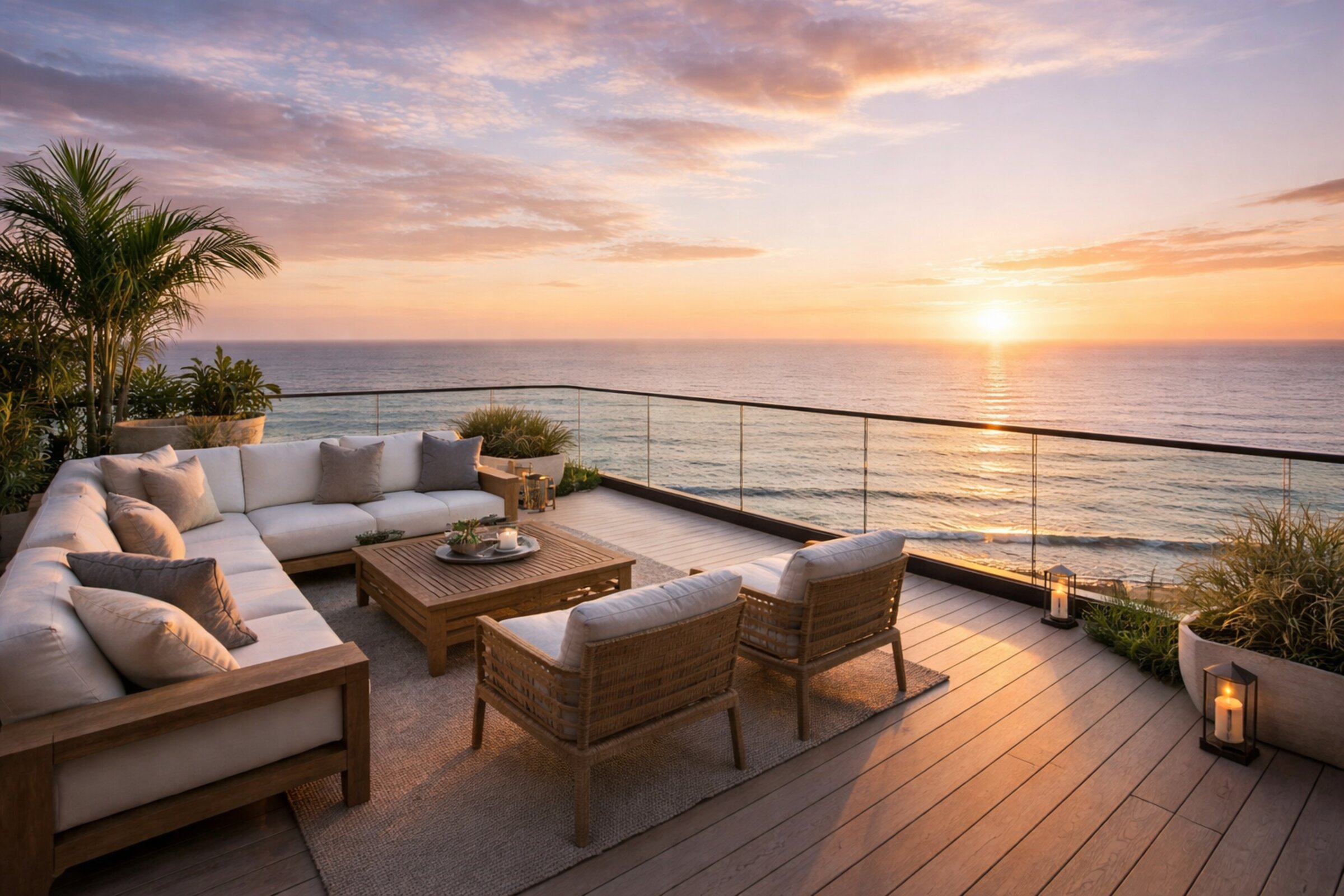
Glass railings transform dramatically after dark when properly lit. During the day, glass is valued for transparency. At night, it becomes a canvas for light — edge-lit channels create a floating glow, uplights produce dramatic silhouettes, and embedded LEDs turn railings into architectural features. Beyond aesthetics, code-compliant lighting at railings and stairs enhances safety by making barriers visible in low light. This guide covers every lighting approach from simple accent to full smart-home integration.
Important Safety Warnings
- All outdoor electrical work must comply with NEC Article 300, 410, and local electrical codes — use a licensed electrician
- LED strips installed in metal channels can overheat if not properly ventilated — ensure adequate heat dissipation
- Do not use 120V line-voltage LED strips on glass railings — use only low-voltage (12V or 24V) systems for safety
Step-by-Step Instructions
Understand the lighting options for glass railings
Three primary lighting methods work with glass railing systems: (1) Channel lighting — LED strips installed inside the base shoe channel or top cap, illuminating the glass edge from within. This creates a distinctive glowing edge effect. (2) Uplighting — fixtures mounted at the base pointing upward along the glass surface, creating a wash of light. (3) Downlighting — fixtures in the top rail or overhead pointing downward for task lighting and ambient effect. Each creates a different mood and serves different functional needs.
Select LED color temperature
Color temperature dramatically affects the ambiance. Warm white (2700K) creates a relaxed, residential atmosphere similar to candlelight — ideal for decks, patios, and pool areas. Neutral white (3500K) balances warmth and visibility — good for transitional areas and commercial settings. Cool white (4000-5000K) provides high visibility with a modern, crisp feel — suitable for contemporary architecture and task-oriented areas. RGBW (color-changing) LEDs offer maximum flexibility but require more complex controllers.
Size the LED system correctly
LED strip lighting is measured in lumens per foot and watts per foot. For accent/ambient lighting at glass railings, 150-300 lumens per foot is adequate. For functional lighting (stair visibility, pathway marking), 300-500 lumens per foot is recommended. For dramatic architectural effect, 500-800 lumens per foot creates high-impact illumination. Calculate total wattage by multiplying watts per foot by total linear feet, then add 20% for power supply headroom.
Plan the electrical infrastructure
Glass railing lighting requires proper electrical infrastructure: a dedicated circuit (20A recommended for longer runs), weatherproof junction boxes for outdoor installations, low-voltage LED drivers mounted in accessible weatherproof enclosures, and conduit routed to the railing system. Plan wire routing before glass installation — retrofitting electrical conduit through existing railing channels is extremely difficult. Coordinate with your electrician during the construction phase.
Choose the right IP rating for outdoor use
LED strips and fixtures installed on outdoor glass railings must have appropriate Ingress Protection (IP) ratings. IP65 is the minimum for outdoor lighting in covered areas. IP67 is recommended for exposed locations subject to rain and sprinkler spray. IP68 is required for pool-adjacent installations or locations subject to submersion. The LED driver must also be rated for outdoor use (minimum IP65 for enclosed installation, IP67 for exposed).
Install dimming and control systems
Lighting control enhances both the experience and energy efficiency. Options range from simple manual dimmers to full smart-home integration: basic 0-10V dimmer for single-zone control, DMX controllers for multi-zone color and intensity programming, smart controllers (Lutron Caseta, Philips Hue) for app and voice control, astronomical timers that automatically adjust to sunset/sunrise, and motion sensors for safety lighting at stairs and paths.
Coordinate lighting with glass panel specifications
For channel lighting that illuminates through the glass edge, glass specification matters. Low-iron glass transmits and disperses light more evenly than standard glass, producing a cleaner glow. Standard glass with its green tint will color the light green, which may or may not be desirable. Frosted glass acts as a diffuser, creating a softer, more uniform glow when edge-lit. Discuss lighting intent with your glass supplier to optimize the combination.
Test the installation before final closeout
After installation, conduct a nighttime walkthrough to evaluate the lighting from all angles. Check for: hot spots (uneven brightness along the strip), visible LED dot patterns (strip should be recessed enough to create smooth wash), color consistency across all zones, dimmer performance across the full range, and controller programming accuracy. Make adjustments before the final inspection — repositioning LED strips inside channels is much easier before the access covers are sealed.
Frequently Asked Questions
How much does glass railing lighting cost?
Glass railing LED lighting typically costs $15-$40 per linear foot for materials (LED strip, driver, wiring, controls) plus $10-$20 per linear foot for professional electrical installation. A 50-foot railing with warm white channel lighting costs approximately $1,250-$3,000 total. RGBW color-changing systems with smart controls add approximately 40-60% to the material cost. Simple solar-powered accent lights can be added for $5-$10 per foot with no electrical work required.
Can I add lighting to existing glass railings?
Yes, but the approach depends on the mounting system. Base shoe channel systems often have space within the channel for LED strips — a retrofit may only require removing glass panels, installing strips, routing wiring, and reinstalling panels. Post-mounted systems can accommodate surface-mounted LED strips on posts or under top rails. The most challenging retrofit is adding lighting to frameless standoff systems, which may require external fixtures rather than integrated LEDs.
Do LED-lit glass railings attract insects?
Warmer color temperatures (2700K) attract significantly fewer insects than cooler temperatures (4000K+). If insect attraction is a concern, specify 2700K warm white LEDs and consider amber (2200K) for the warmest option with minimal insect draw. Avoid blue or UV-heavy light sources near dining and seating areas adjacent to glass railings.
How long do LED strips last in outdoor railing applications?
Quality LED strips rated for outdoor use (IP67+) typically last 25,000-50,000 hours in railing applications. At 4-6 hours of use per night, this translates to 11-22 years of operational life. LED drivers typically have shorter lifespans (5-10 years) and will likely need replacement before the LED strips themselves. Using quality drivers (Mean Well, Magnitude) extends the maintenance interval.
Is glass railing lighting required by building code?
Building codes generally do not require railing lighting specifically, but IBC Section 1008 requires stairway illumination of at least 1 foot-candle at the walking surface. If your glass railing is along a stairway, integrated lighting can serve this code requirement. Some jurisdictions require exterior deck and patio lighting for safety. Check local code and HOA requirements for your specific situation.