How to Get Building Permits for Glass Fencing
Get glass fencing permit guidance covering approvals, codes and installation requirements. Contact INFINITYGLASS™ today for assistance and compliance help now.
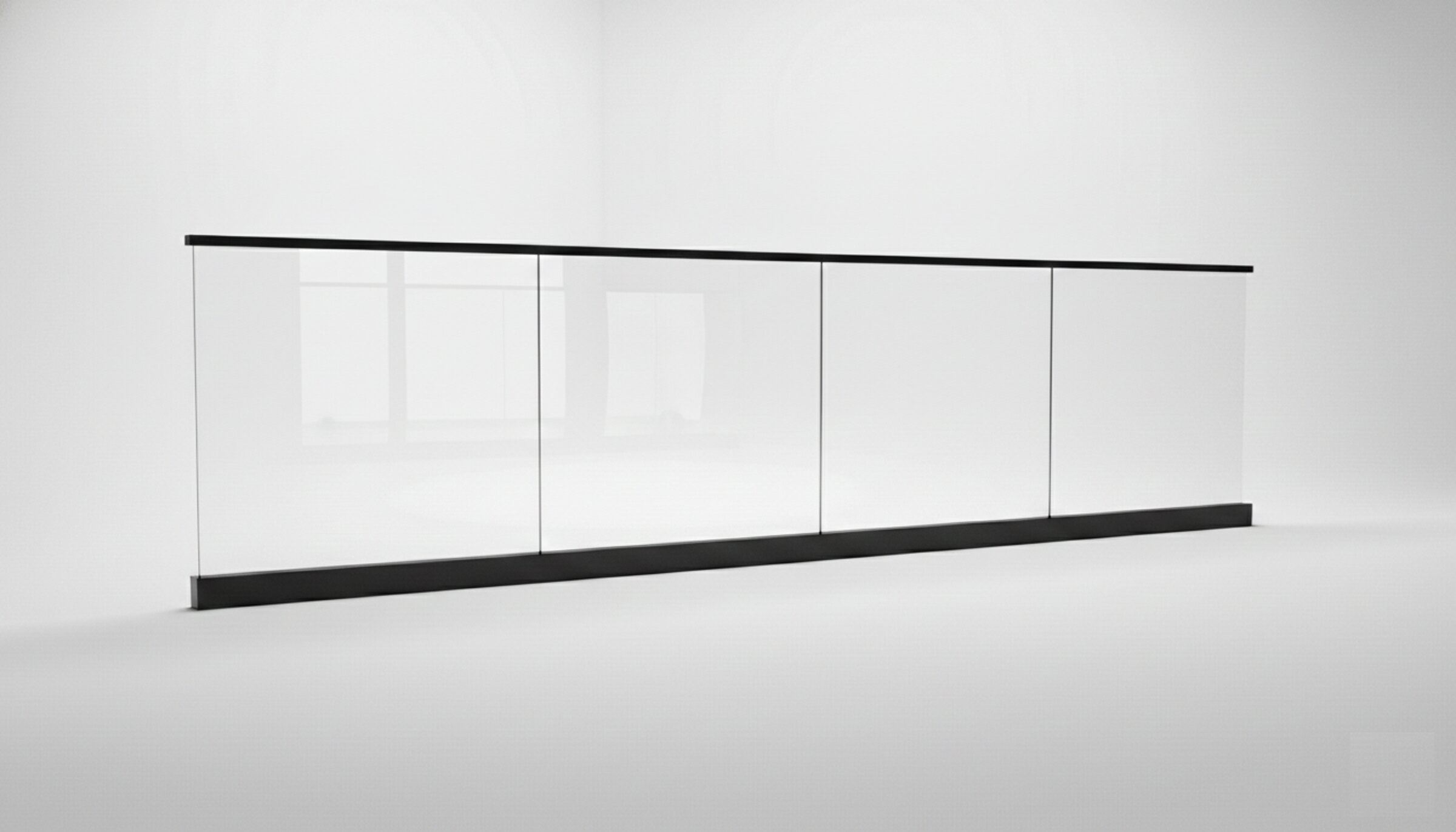
Most glass fencing and railing installations require a building permit. The permitting process ensures your installation meets local building codes for structural safety, wind resistance, and fall protection. While permits add time and cost to a project, they protect your investment by ensuring proper engineering and installation. This guide walks you through the process from start to finish.
Step-by-Step Instructions
Determine if a permit is required
Contact your local building department to confirm permit requirements. In most jurisdictions, any railing or barrier over 30 inches above grade requires a permit. Pool barriers always require permits regardless of height. Some jurisdictions exempt replacement of existing railings with the same specifications, but changing materials (e.g., wood to glass) typically triggers a new permit. HOA approval may also be required and should be obtained before applying for a building permit.
Gather site information
Before applying, collect: a site survey or plot plan showing your property boundaries and structure locations, measurements of the installation area (length, height above grade, distance from property lines), photos of existing conditions, and your property legal description. If the glass fencing is part of a pool barrier, include the pool layout and all gate locations.
Obtain engineering drawings
Most jurisdictions require PE-stamped (Professional Engineer stamped) structural engineering drawings for glass railing and fencing installations. These drawings verify that the glass type, thickness, mounting system, and structural connections meet applicable building codes including wind load calculations per ASCE 7-22. INFINITYGLASS provides PE-stamped engineering drawings for every project at no additional charge.
Complete the permit application
Fill out the building permit application from your local building department. Required information typically includes: property address and owner information, contractor information (if applicable), description of work, estimated project value, site plan, and engineering drawings. Many jurisdictions now accept online permit applications.
Submit and pay permit fees
Submit your completed application with all supporting documents. Permit fees vary by jurisdiction but typically range from $100-$500 for residential fencing projects. Commercial projects may have higher fees. Processing time varies from same-day (simple residential) to 2-6 weeks (commercial or complex projects). Ask about expedited review options if you are on a tight timeline.
Address plan review comments
The plan reviewer may return your application with comments or requests for additional information. Common requests include: additional wind load calculations, details of post anchorage to existing structure, glass panel specifications and certifications, and confirmation of safety glazing compliance. Respond promptly and completely to avoid delays.
Schedule and pass inspections
Once the permit is issued and installation is complete, schedule the required inspections. Typical inspections include: post/anchor inspection (before glass installation), final inspection (after all glass, hardware, and gates are installed). The inspector will verify that the installation matches the approved plans and meets code. Keep your approved plans and permit on-site during installation and inspection.
Close the permit
After passing final inspection, your permit will be closed (finalized). Obtain a copy of the final inspection report and the closed permit for your records. These documents may be needed for insurance claims, property sales, or future renovations. Some jurisdictions issue a Certificate of Completion.
Frequently Asked Questions
How long does the glass fencing permit process take?
For residential projects, the typical timeline is 1-3 weeks from application to permit issuance. Plan review usually takes 5-10 business days. Simple projects in smaller jurisdictions may get same-day or next-day approval. Commercial projects and projects in major metropolitan areas may take 3-6 weeks for plan review.
What happens if I install glass fencing without a permit?
Installing without a required permit can result in fines, mandatory removal of the installation, inability to sell your property until the unpermitted work is resolved, and voided insurance coverage. If an unpermitted installation fails and causes injury, you may face significant personal liability. Always obtain required permits.
Do I need a contractor license to install glass fencing?
Requirements vary by jurisdiction. Many states require a licensed contractor for structural installations including glass railings. Some jurisdictions allow homeowner self-installation with an owner-builder permit, but you are then personally responsible for code compliance. INFINITYGLASS manages the complete installation process including all permitting.
What building codes apply to glass fencing?
Key codes include: IBC/IRC for structural requirements and guard heights, ASCE 7-22 for wind load calculations, ANSI Z97.1 and CPSC 16 CFR 1201 for safety glazing, and local pool barrier codes (if applicable). Florida Building Code applies in Florida and has additional wind-borne debris impact requirements. Your local jurisdiction may have amendments that add to or modify these base codes.