How to Estimate Glass Fence Project Costs
Estimate glass fence project costs based on size, system type and materials. Request a detailed quote from INFINITYGLASS™ today for accurate pricing now.
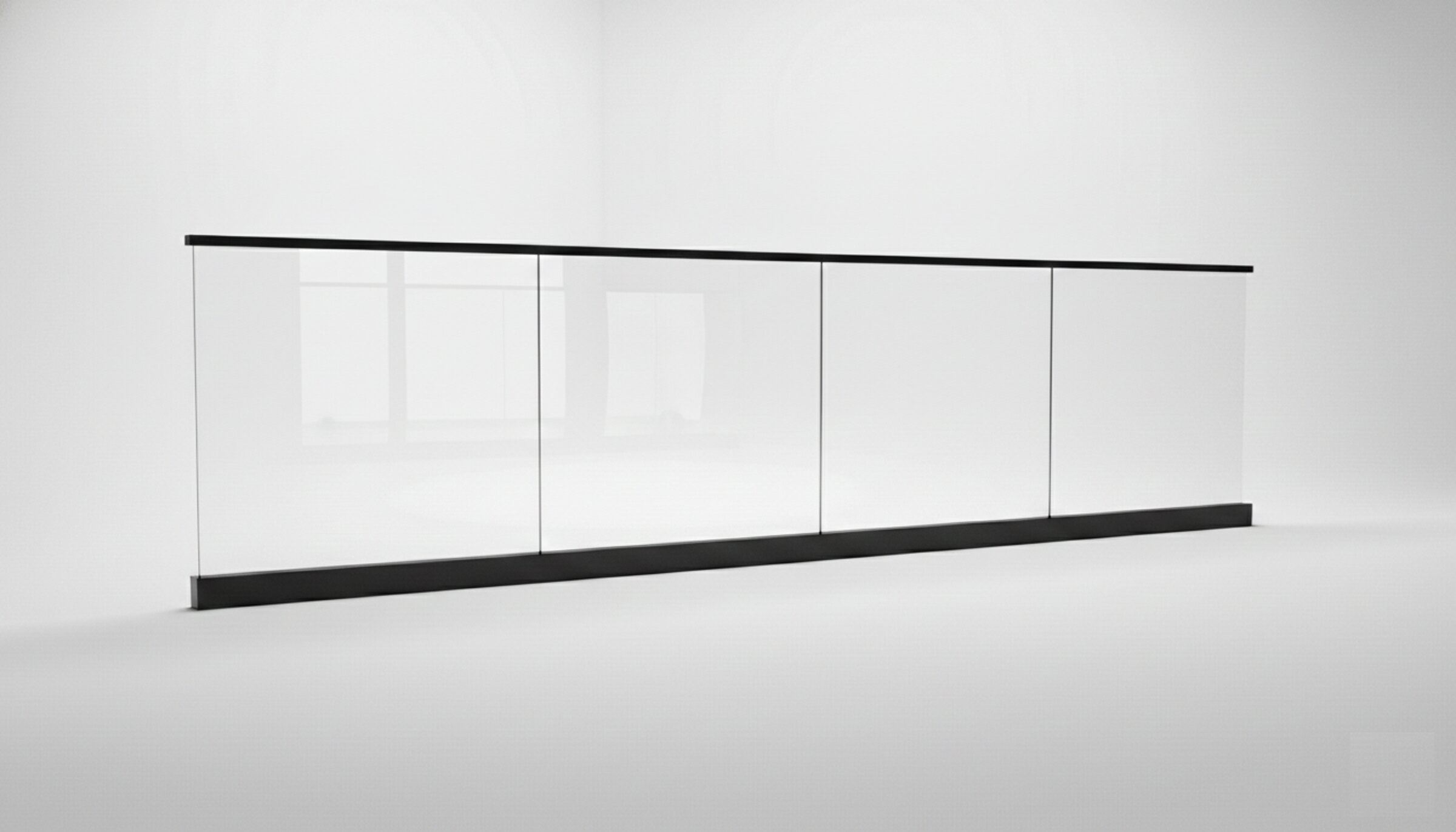
Glass fencing is a premium investment, and accurate cost estimation prevents budget surprises that derail projects. Unlike commodity fencing materials with simple per-foot pricing, glass fence costs vary significantly based on glass type, mounting system, site conditions, and local labor markets. Homeowners who budget based on online averages are frequently surprised — in both directions — when they receive actual quotes. This guide provides a systematic framework for developing a realistic project budget before you engage contractors.
Step-by-Step Instructions
Measure your total linear footage
Start with accurate linear footage measurements. Walk the entire proposed fence line with a measuring tape or wheel. Include all straight runs, returns, and jogs. Do not estimate from satellite images — they are not accurate enough for budgeting. Record the total length in linear feet. For L-shaped or U-shaped enclosures, measure each segment separately and note corner locations, as corners require additional hardware.
Select your system type and glass specification
The system type is the primary cost driver. Typical installed cost ranges per linear foot: post-mounted with glass infill and top rail ($150-$350), base shoe channel frameless ($250-$500), fascia-mount frameless ($300-$600), and full-height glass enclosure systems ($400-$800+). Within each system, glass specification further affects cost: standard clear tempered is baseline, low-iron tempered adds 15-25%, laminated adds 30-50%, and tempered-laminated adds 50-80%. Choose the system and glass spec that meets your needs before estimating.
Estimate material costs
Materials typically represent 40-55% of total project cost. Break down materials: glass panels (price per square foot × total panel area), posts and hardware (price per post × number of posts, plus base shoes, caps, and connectors), gate hardware (hinges, latches, closers — $300-$1,200 per gate depending on type), and mounting hardware (anchor bolts, shims, gaskets). Request itemized material quotes from at least two suppliers to establish a realistic material budget.
Calculate labor and installation costs
Installation labor typically represents 30-40% of total project cost. Labor rates vary by market: $50-$80/hour in lower-cost markets (Southeast, Midwest), $80-$120/hour in moderate markets (Texas, Mountain West), $100-$160/hour in high-cost markets (California, Northeast, Florida). A two-person crew typically installs 15-25 linear feet per day for standard installations. Complex layouts, difficult access, and multi-story installations reduce productivity to 8-15 linear feet per day.
Add engineering and permit costs
Professional engineering and permits are often overlooked in preliminary budgets. PE-stamped structural engineering: $500-$2,000 depending on project complexity (INFINITYGLASS includes this at no additional charge). Building permit fees: $150-$500 for residential, $500-$2,000+ for commercial. Plan review fees (some jurisdictions charge separately): $100-$500. Inspection fees: typically included in the permit fee. If your project is in a hurricane zone or high-seismic area, engineering costs may be at the higher end due to additional analysis requirements.
Factor in site preparation costs
Site preparation adds $500-$5,000+ depending on existing conditions. Common site prep costs: concrete footing excavation and pouring ($30-$60 per post location), core drilling into existing concrete ($50-$100 per hole), grade leveling and drainage work ($500-$2,000 for complex sites), old fence removal and disposal ($3-$8 per linear foot), and landscape restoration after installation ($200-$1,000). Sites with difficult access (rear yards requiring hand-carrying, second-floor decks requiring crane lifts) add significant cost.
Include contingency and maintenance reserves
Add a contingency of 10-15% to your total estimated budget for unexpected conditions: concealed below-grade obstacles, required design changes during permitting, material price escalation between estimate and purchase, and minor scope additions. Additionally, budget for Year 1 post-installation items: a glass sealant application ($100-$300), hardware touch-up adjustments (typically covered by warranty), and initial deep cleaning after construction dust settles.
Compile and review the total budget
Add all categories to create a complete project budget: materials + labor + engineering + permits + site prep + gates + contingency = total project cost. Compare this total against your available budget. If the estimate exceeds your budget, identify potential value engineering options: reducing panel height, switching from frameless to post-mount, using standard clear instead of low-iron glass, or phasing the project into stages. Do not cut engineering or permit budgets — these are fixed compliance costs.
Frequently Asked Questions
How much does glass fencing cost per linear foot?
Glass fencing costs $150-$800+ per linear foot fully installed, depending on system type: post-mounted glass railing ($150-$350), frameless channel-mount ($250-$500), and full-height glass enclosure systems ($400-$800+). These ranges include materials, labor, and standard installation. Site preparation, engineering, permits, and gates are additional costs that typically add 15-25% to the per-foot material and labor cost.
Why do glass fence quotes vary so much between contractors?
Quote variation stems from: different glass specifications (thickness, type, clarity), different hardware quality (standard vs. marine-grade), inclusion or exclusion of engineering and permits, site preparation scope differences, warranty terms, and contractor overhead and profit margins. Always compare quotes on an apples-to-apples basis by ensuring every quote covers the same scope, specifications, and warranty terms.
Is glass fencing more expensive than cable railing?
Glass fencing typically costs 20-40% more than cable railing for the same linear footage. However, glass fencing provides wind protection (cable does not), eliminates the ongoing cable re-tensioning maintenance cost, provides a more complete privacy solution, and has a longer maintenance-free lifespan. The total cost of ownership over 20 years is often comparable between the two systems.
Can I install glass fencing in phases to manage cost?
Yes, phased installation is a practical budget management strategy. The most common approach: Phase 1 installs the most visible or code-required sections (pool barriers, street-facing), Phase 2 completes secondary areas (side yards, deck extensions). Design the complete project upfront so phases use consistent specifications and connect properly. Engineering can cover the full scope with phased installation drawings.
What hidden costs catch homeowners off guard?
The most common budget surprises are: site preparation complexity exceeding estimates (rocky soil, underground obstacles), permit and engineering costs not included in contractor quotes, gate hardware costs (self-closing pool gates cost $800-$2,000 each), crane or equipment rental for difficult-access locations, and landscape restoration after construction. Ask contractors specifically about these items when reviewing quotes.