Glass Fencing vs. Aluminum Fencing
Glass vs. aluminum fencing: cost, durability, maintenance, views, safety, and best applications for pools, decks, and commercial properties.
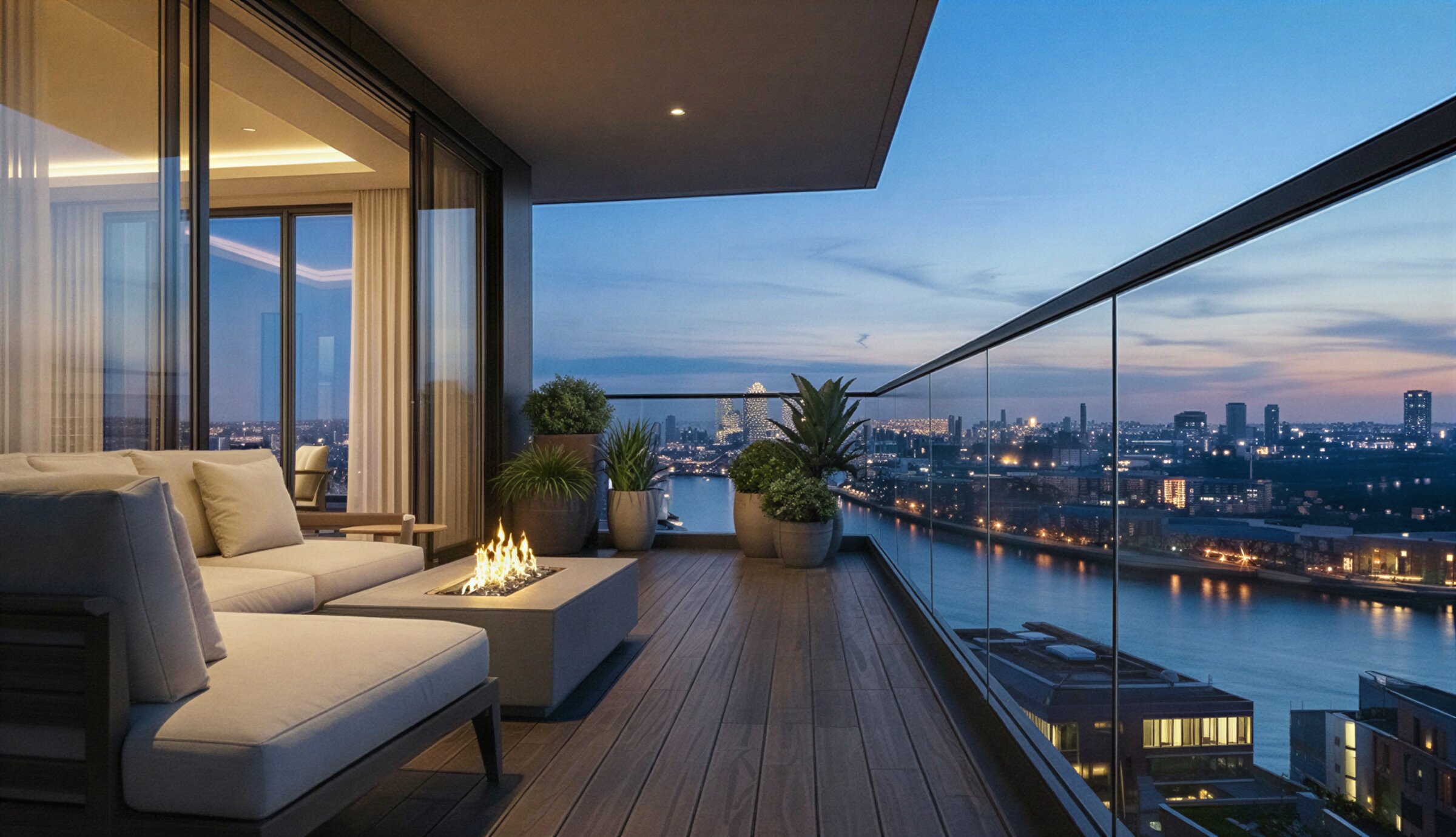
Glass and aluminum are two of the most popular modern fencing materials. Aluminum offers affordability and low maintenance, while glass provides unmatched transparency and wind protection. This guide compares both materials across every factor that matters for your project.
Pros & Cons
Glass Fencing
- Full view transparency
- Complete wind protection
- Non-climbable surface
- Does not rust, rot, or fade
- Hurricane-rated options available
- Increases property value 5-15%
- Higher upfront cost ($150-$500/ft)
- Requires periodic cleaning for clarity
- Professional installation required
- Cannot be easily modified after installation
Aluminum Fencing
- Lower cost ($40-$100/ft)
- Lightweight and easy to install
- Low maintenance (no rust)
- Available in many colors
- DIY-friendly
- Easy to repair individual sections
- Does not block wind
- Obstructs views with vertical bars
- Climbable design (safety concern for pools)
- Can dent or bend on impact
- Neutral or negative property value impact
Feature-by-Feature Comparison
| Feature | Glass Fencing | Aluminum Fencing |
|---|---|---|
| View Preservation | Full transparency | Obstructed by bars |
| Wind Protection | Complete windbreak | No wind blocking |
| Pool Safety (Climb Resistance) | Non-climbable | Climbable (bars) |
| Upfront Cost | $150-$500/ft | $40-$100/ft |
| Lifespan | 25-50+ years | 20-30 years |
| Maintenance Effort | Very low | Very low |
| Impact Resistance | Very high (tempered) | Medium (can dent) |
| Hurricane Rating | Available | Limited |
| Property Value Impact | +5-15% | Neutral |
| Noise Reduction | Moderate | None |
Best For: Which Should You Choose?
The Verdict
Glass fencing is the premium choice for projects where view preservation, wind protection, climb resistance, and property value are priorities. Aluminum is the practical choice for budget-conscious projects, large perimeters, and situations where maximum transparency is not required. For pool barriers specifically, glass offers safety advantages that justify the higher investment.
Frequently Asked Questions
Is glass fencing stronger than aluminum fencing?
Tempered glass panels are extremely impact-resistant and do not dent or bend. Aluminum can dent on impact. For wind resistance, glass provides a complete windbreak while aluminum bars allow wind through. However, individual aluminum bars are more flexible and forgiving to direct impact.
Which is better for pool fencing: glass or aluminum?
For safety-conscious pool fencing, glass is superior because its smooth, continuous surface is non-climbable, unlike aluminum bars which can be climbed. Glass also provides unobstructed visual supervision of swimmers. However, aluminum is a code-compliant and more affordable option.
Can aluminum fencing be as clear as glass?
No. Aluminum fencing uses vertical bars or pickets that always partially obstruct views. While wider spacing improves transparency, building codes limit maximum opening sizes. Glass is the only fencing material that provides full, uninterrupted transparency.
How much does glass fencing cost compared to aluminum?
Glass fencing costs $150-$500 per linear foot installed versus $40-$100 per linear foot for aluminum. While the upfront cost is 3-5x higher, glass lasts 25-50+ years with virtually no maintenance, while aluminum typically needs replacement after 20-30 years. Over a 40-year period, the total cost of ownership gap narrows significantly, especially when aluminum repainting and section replacement costs are factored in.
Does glass fencing block wind better than aluminum?
Yes — glass provides complete wind protection while aluminum bars allow wind to pass through freely. A glass fence panel acts as a solid windbreak, reducing wind speed by 80-95% on the leeward side. This makes glass ideal for pool areas, outdoor dining, and coastal properties where wind comfort is essential. Aluminum fencing provides zero wind reduction regardless of bar spacing.
Which fence adds more home value: glass or aluminum?
Glass fencing consistently adds 5-15% to property values in luxury markets, according to real estate professionals. Aluminum fencing has a neutral to slightly positive impact on property value. The difference is most pronounced on view properties (waterfront, hillside) where glass preserves the views that drive the property premium. Aluminum bars obstruct these views and can actually diminish the perceived value of scenic lots.
Can I install glass or aluminum fencing myself?
Aluminum fencing is generally DIY-friendly — panels are lightweight, pre-assembled, and attach to posts with brackets. Glass fencing requires professional installation due to panel weight (a 1/2-inch glass panel weighs 6.5 lbs per square foot), precise leveling requirements, and structural engineering considerations. Improper glass installation can create safety hazards and void warranties.
Is glass fencing safer than aluminum around pools?
For pool barriers, glass is significantly safer. Its smooth, continuous surface is non-climbable, unlike aluminum pickets and rails which children can use as a ladder. Glass also provides unobstructed sightlines for monitoring swimmers — the AAP identifies constant visual supervision as the most important drowning prevention factor. Both materials meet minimum pool barrier codes, but glass exceeds safety minimums.
How does maintenance compare between glass and aluminum fencing?
Both are considered low-maintenance materials. Glass requires periodic cleaning with glass cleaner (every 4-8 weeks for clarity) and annual hardware inspection. Aluminum needs occasional rinsing to remove dirt and may require touch-up painting if the powder coat chips. Neither material rots, warps, or attracts pests. Glass has a slight maintenance edge because it never needs repainting or refinishing.
More Comparisons
Back to Glass Fencing Guide | Cost Guide | How-To Guides | Solutions | Glossary