Glass Fence vs. Acrylic (Plexiglass) Fence
Glass fencing vs. acrylic (plexiglass) fencing: clarity, scratch resistance, UV durability, cost, safety, and long-term performance compared.
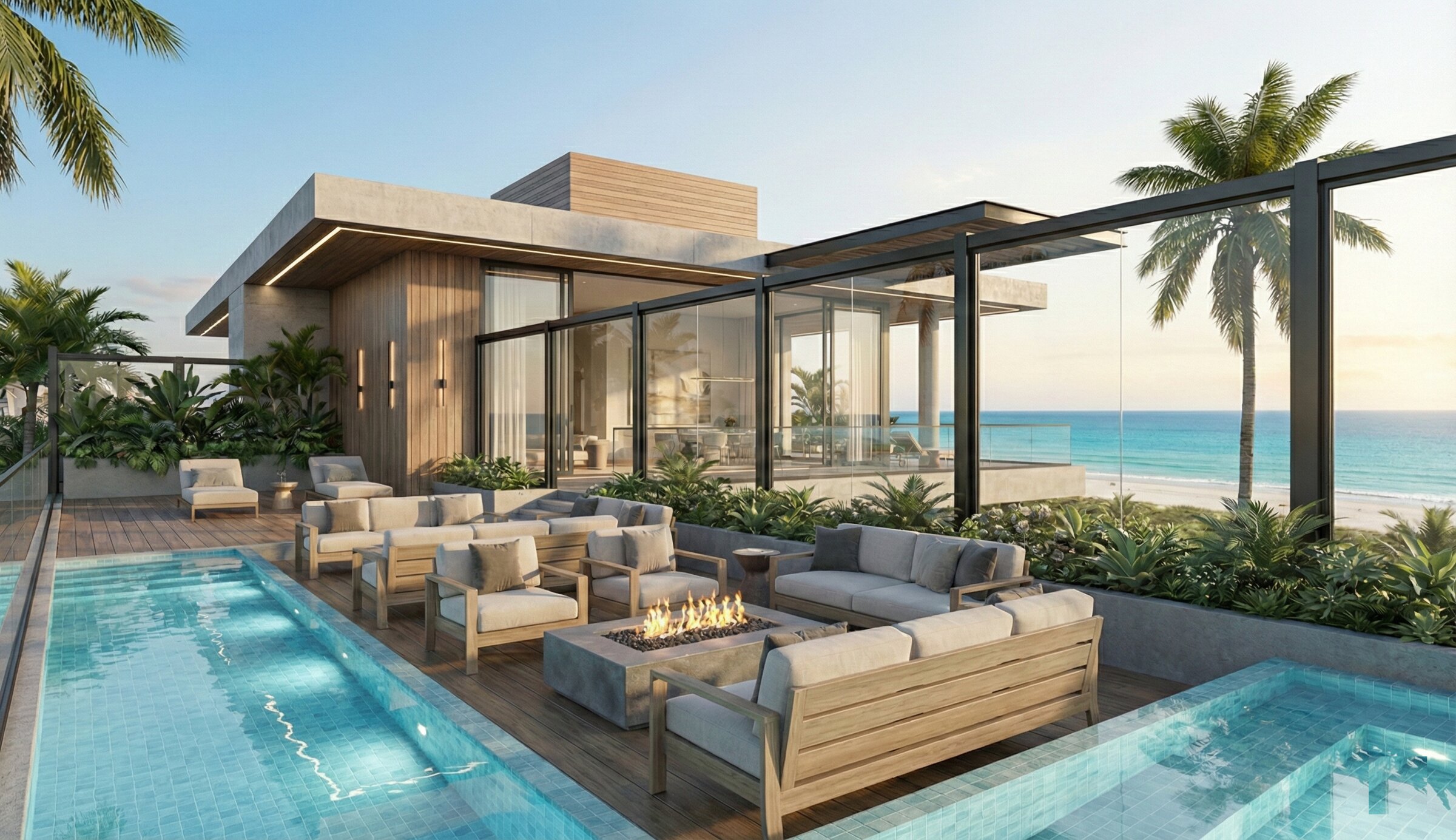
Acrylic (Plexiglass, Perspex) and polycarbonate sheets are sometimes proposed as cheaper alternatives to tempered glass for fencing and railing panels. While both are transparent, the performance differences between architectural glass and plastic sheet materials are dramatic — affecting clarity, longevity, safety, and code compliance.
Pros & Cons
Glass Fencing
- Optical clarity that never degrades
- Scratch-resistant surface (7 on Mohs scale)
- UV-stable — does not yellow or haze
- Tempered glass meets safety glazing codes
- Non-combustible
- 25-50+ year lifespan with zero optical degradation
- Heavier than acrylic (2.5x)
- Shatters on extreme impact (tempered granules)
- Cannot be cut or drilled on-site
- Higher material cost
Acrylic (Plexiglass) Fencing
- Lighter weight than glass (half the weight)
- Lower material cost ($8-$20/sqft)
- Impact-resistant (does not shatter)
- Can be cut and drilled on-site
- Available in various tints and colors
- Scratches extremely easily
- Yellows and hazes from UV exposure (2-5 years)
- Warps in heat and direct sunlight
- Combustible (burns and melts)
- Does not meet safety glazing codes (ANSI Z97.1)
- Loses transparency over time
- Cannot be restored once hazed — must be replaced
- Attracts static and dust
Feature-by-Feature Comparison
| Feature | Glass Fencing | Acrylic (Plexiglass) Fencing |
|---|---|---|
| Optical Clarity | Permanent — never degrades | Degrades (yellows/hazes in 2-5 years) |
| Scratch Resistance | Very high (Mohs 7) | Very low (scratches from normal cleaning) |
| UV Stability | Permanent | Yellows and becomes brittle |
| Heat Tolerance | Up to 470°F | Warps above 160°F |
| Fire Rating | Non-combustible | Combustible (burns/melts) |
| Safety Code Compliance | ANSI Z97.1, CPSC 16 CFR 1201 | Does not meet safety glazing standards |
| Weight | Heavier (6.3 lbs/sqft for 1/2") | Lighter (3.0 lbs/sqft for 1/2") |
| Cost (material) | $15-$35/sqft | $8-$20/sqft |
| Lifespan | 25-50+ years | 5-10 years |
| Cleaning | Any glass cleaner | Acrylic-safe cleaner only (no ammonia) |
Best For: Which Should You Choose?
The Verdict
For any permanent outdoor fencing or railing application, tempered glass is categorically superior to acrylic. Glass maintains optical clarity permanently, meets safety glazing codes, resists scratching and UV, and lasts decades. Acrylic is appropriate only for temporary, indoor, or non-code-required applications where weight savings and lower upfront cost outweigh the inevitable yellowing, scratching, and replacement cycle.
Frequently Asked Questions
Why does acrylic fencing turn yellow?
Acrylic (PMMA) undergoes photodegradation when exposed to UV radiation. The polymer chains break down, causing yellowing, hazing, and eventual brittleness. This process is irreversible — once yellowed, acrylic cannot be restored to clarity. Even UV-stabilized acrylic experiences this degradation, just more slowly (5-8 years vs. 2-3 years for standard acrylic). Glass is immune to UV degradation.
Is acrylic fencing code-compliant for railings?
In most jurisdictions, acrylic does not meet the ANSI Z97.1 or CPSC 16 CFR 1201 safety glazing standards required for guards and railings. Acrylic breaks into sharp shards (not safety granules like tempered glass) and is not rated for the impact resistance required by building codes. Using acrylic for code-required railings can result in failed inspections and liability issues.
Can I use polycarbonate instead of acrylic for fencing?
Polycarbonate (Lexan, Makrolon) is more impact-resistant than acrylic and does not shatter. However, it shares similar drawbacks: it scratches even more easily than acrylic, yellows from UV (though more slowly), and warps in heat. It also does not meet safety glazing standards for railings. For transparent fencing, tempered or laminated glass remains the code-compliant, optically permanent solution.
How do you clean acrylic vs. glass fencing?
Glass can be cleaned with any standard glass cleaner, including ammonia-based products. Acrylic requires special acrylic-safe cleaners — ammonia, alcohol, and many household cleaners permanently damage acrylic surfaces. Paper towels scratch acrylic; only microfiber cloths should be used. This cleaning restriction is a significant practical disadvantage of acrylic panels.
Is the cost savings of acrylic worth it?
For permanent outdoor applications, no. Acrylic costs 30-50% less than glass initially, but requires replacement every 5-10 years due to yellowing and scratching. Over a 25-year period, you may spend 2-3x the cost of a single glass installation on acrylic replacements. Glass is the clear winner on total cost of ownership for any permanent installation.
Can acrylic panels be used in a building-code-required railing?
No. Acrylic does not pass ANSI Z97.1 or CPSC 16 CFR 1201 impact tests required for safety glazing in guards and railings. Using acrylic in a code-required railing will result in failed building inspections and creates serious liability exposure. Only tempered or laminated glass meets safety glazing standards for guards. This code limitation is the most important practical difference between acrylic and glass for fencing applications.
Does acrylic fencing present a fire risk?
Yes. Acrylic (PMMA) is combustible — it ignites at approximately 460°F and burns with intense heat and toxic fumes. In fire-prone regions (California WUI zones, Colorado mountain communities), acrylic fencing contributes to fire spread risk. Glass fencing is non-combustible and cannot ignite, melt, or produce toxic fumes under any conditions. For properties in fire-hazard zones, glass is the only appropriate transparent fencing material.
How does acrylic scratch resistance compare to glass?
Glass has a Mohs hardness of approximately 7 — it resists scratching from most everyday contact including cleaning cloths, rings, and normal impact. Acrylic has a Mohs hardness of only 3-4, meaning it scratches easily from routine cleaning, wind-blown dust, and even fingernails. Once scratched, acrylic cannot be fully restored — polishing removes minor surface scratches but introduces optical distortion and removes UV-stabilizer coatings.
More Comparisons
Back to Glass Fencing Guide | Cost Guide | How-To Guides | Solutions | Glossary