Glass Fencing vs. Wrought Iron Fencing
Compare glass fencing and wrought iron fencing: strength, maintenance, aesthetics, costs, and best applications for luxury homes and commercial properties.
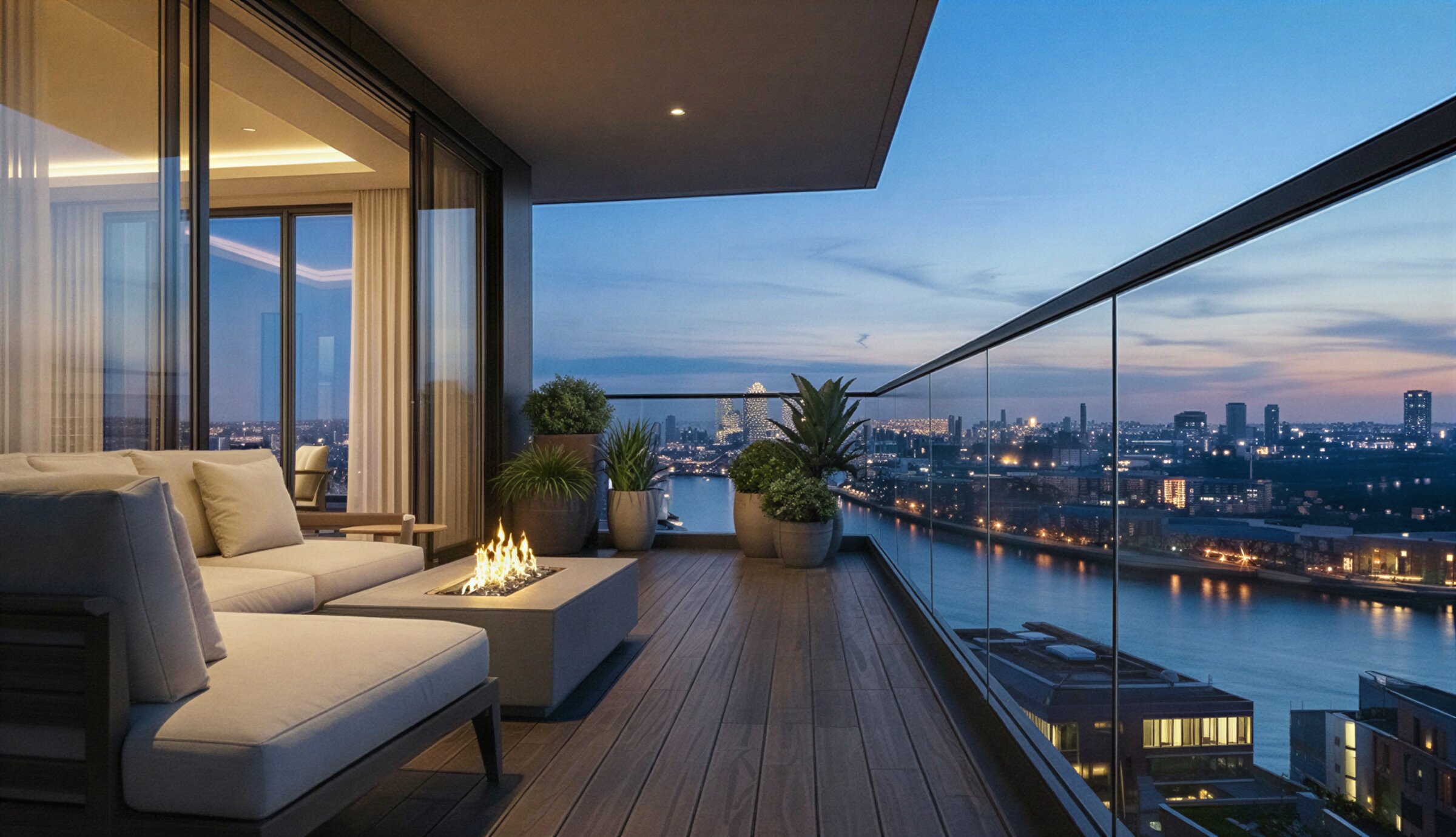
Wrought iron and glass both occupy the premium end of the fencing market but deliver fundamentally different aesthetics and performance. Iron provides ornamental craftsmanship and traditional elegance; glass delivers modern minimalism and complete transparency.
Pros & Cons
Glass Fencing
- Full transparency
- Zero rust or corrosion
- Non-climbable
- Wind protection
- Modern aesthetic
- No painting required
- Higher cost for frameless
- No ornamental character
- Can show smudges
- Cannot be easily repaired if a panel breaks
Wrought Iron Fencing
- Classic ornamental aesthetic
- Extremely strong
- 30-50 year lifespan
- Can be custom-fabricated
- Adds traditional curb appeal
- Individual pickets replaceable
- Requires rust treatment and painting
- Bars obstruct views
- Climbable design
- No wind protection
- Heavy and expensive to install
- Rust maintenance is ongoing
Feature-by-Feature Comparison
| Feature | Glass Fencing | Wrought Iron Fencing |
|---|---|---|
| View Preservation | Complete | Partial (bars) |
| Architectural Style | Modern/contemporary | Traditional/ornamental |
| Rust/Corrosion | Immune | Requires ongoing treatment |
| Strength | Very high (tempered) | Very high (steel) |
| Climb Resistance | Non-climbable | Climbable |
| Cost | $150-$500/ft | $50-$150/ft |
| Maintenance Cost (annual) | Negligible | $5-$15/ft every 3-5 years |
| Wind Protection | Complete | None |
Best For: Which Should You Choose?
The Verdict
Glass fencing is the clear choice for modern architecture, coastal properties, and pool barriers. Wrought iron excels for traditional estates, historic districts, and security perimeters. Both are premium materials; the choice is ultimately driven by architectural style and functional priorities.
Frequently Asked Questions
Does wrought iron fence rust near the ocean?
Yes. Salt air dramatically accelerates iron corrosion. Coastal wrought iron requires more frequent painting and rust treatment, sometimes annually. Glass fencing with marine-grade stainless steel hardware is far better suited to coastal environments.
Is wrought iron stronger than glass fencing?
Both are very strong but in different ways. Wrought iron has high tensile and yield strength. Tempered glass has extremely high compressive strength and impact resistance. For most residential and commercial fencing applications, both materials exceed structural requirements.
Which adds more property value?
In the current market, glass fencing adds more value in modern and contemporary settings, while ornamental ironwork adds value in historic neighborhoods. Glass consistently shows a 5-15% property value premium in luxury markets. Iron adds value primarily through curb appeal in traditional settings.
How much does wrought iron fence maintenance cost?
Wrought iron requires sanding, priming, and repainting every 3-5 years at $5-$15 per linear foot per cycle. Rust spots need immediate treatment — untreated rust spreads and weakens the metal. In coastal areas, maintenance frequency increases to every 1-2 years. Over 30 years, maintenance costs can total 50-100% of the original installation cost. Glass fencing has near-zero maintenance cost over the same period.
Can wrought iron fencing be used around pools?
Wrought iron can meet pool barrier height requirements, but its vertical pickets and horizontal rails are climbable — a significant safety concern for households with young children. Glass pool fencing is preferred because its smooth surface is non-climbable and provides unobstructed swimmer supervision. If using iron around a pool, ensure picket spacing does not exceed 4 inches per pool barrier code requirements.
Does wrought iron fencing block views?
Wrought iron partially obstructs views depending on picket spacing and design. Standard residential iron fencing with 4-inch picket spacing blocks approximately 25-35% of the view. Ornamental designs with scrollwork, finials, and decorative elements can block even more. Glass fencing provides 100% unobstructed transparency, making it the clear choice for properties where views drive value.
Is wrought iron fencing still hand-forged?
Most modern wrought iron fencing is actually mild steel fabricated to look like traditional wrought iron. True hand-forged wrought iron is rare and extremely expensive ($200-$500+ per linear foot). Machine-fabricated steel fencing at $50-$150 per linear foot provides a similar aesthetic at lower cost. Both require the same rust-prevention maintenance. Glass fencing offers a maintenance-free alternative at a comparable or lower price point to true wrought iron.
Which is more secure: glass or wrought iron?
For intrusion deterrence, wrought iron is traditionally superior — spear-top pickets discourage climbing, and the steel is extremely difficult to breach. Glass fencing is not designed as a security barrier, though tempered glass is very difficult to break (4-5x stronger than regular glass). For most residential applications where security concerns are moderate, both materials exceed structural requirements. For high-security applications, steel or iron is the better choice.
Can glass fencing replicate the look of wrought iron?
Glass and wrought iron serve completely different design aesthetics and cannot replicate each other. Glass delivers modern minimalism and transparency. Iron delivers traditional ornamental character. Attempting to make one look like the other compromises the strengths of both materials. Many luxury estates use both: glass for pool barriers and view-facing sections, iron for front property gates and formal entries.
More Comparisons
Back to Glass Fencing Guide | Cost Guide | How-To Guides | Solutions | Glossary