Glass Fencing vs. Bamboo Fencing
Glass fencing vs. bamboo fencing: durability, maintenance, weather resistance, aesthetics, cost, and environmental impact compared for pools and outdoor living.
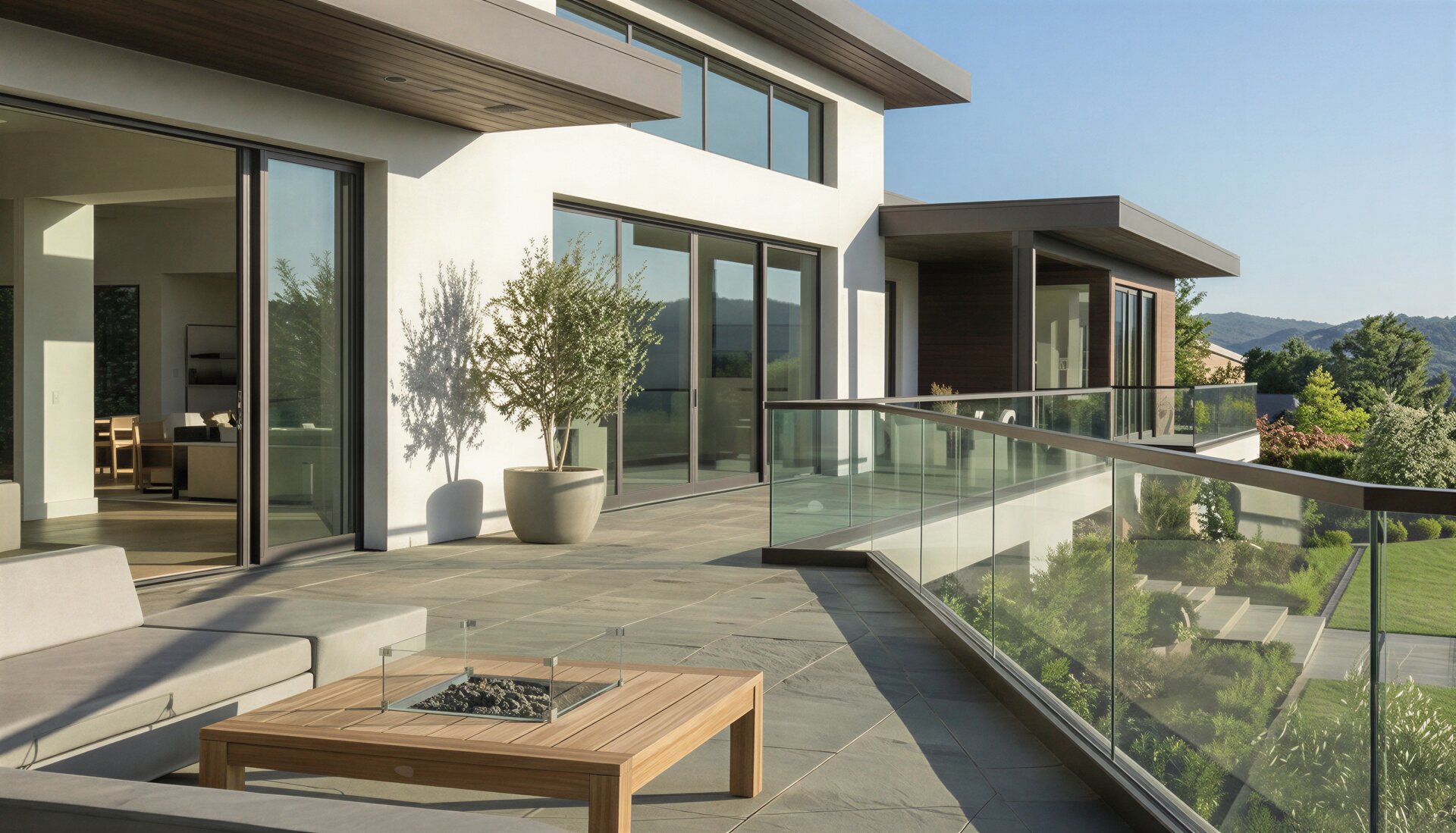
Bamboo fencing appeals to homeowners seeking a natural, tropical aesthetic at a budget-friendly price. Glass fencing delivers premium transparency and engineered durability. While both serve different design philosophies, understanding their real-world performance helps you make the right investment for your climate and application.
Pros & Cons
Glass Fencing
- Full view transparency
- Weatherproof — unaffected by moisture, UV, or temperature
- Non-climbable surface for pool safety
- Complete wind protection
- 25-50+ year lifespan
- Zero organic degradation (no rot, mold, or insects)
- Higher upfront cost ($150-$500/ft)
- No natural/organic aesthetic
- Shows smudges and water spots
- Professional installation required
Bamboo Fencing
- Natural tropical aesthetic
- Lowest cost natural fencing ($5-$30/ft)
- Eco-friendly and renewable
- Easy DIY installation (roll or panel)
- Provides full privacy
- Biodegradable at end of life
- Degrades rapidly in wet climates (2-5 year lifespan)
- Susceptible to splitting, cracking, and splintering
- Attracts insects (termites, beetles)
- Fades from golden to gray within 1-2 years
- Not code-compliant for pool barriers
- Fire hazard in dry conditions
- Must be treated and sealed regularly
Feature-by-Feature Comparison
| Feature | Glass Fencing | Bamboo Fencing |
|---|---|---|
| Durability | 25-50+ years | 2-10 years |
| Weather Resistance | Complete | Poor — degrades in rain, humidity |
| UV Resistance | Unaffected | Fades within 1-2 years |
| Pest Resistance | Immune | Susceptible to termites and beetles |
| Fire Resistance | Non-combustible | Highly combustible |
| Cost | $150-$500/ft | $5-$30/ft |
| Pool Code Compliance | Full compliance | Not code-compliant |
| Wind Protection | Complete | Partial (depends on density) |
| Transparency | Full | None |
| Sustainability | Recyclable; very long life | Renewable; biodegradable; short life |
Best For: Which Should You Choose?
The Verdict
Bamboo fencing is a decorative, budget-friendly privacy option for gardens and temporary installations where durability is not critical. Glass fencing is the engineered solution for permanent applications requiring code compliance, view preservation, wind protection, and decades of maintenance-free performance. For any structural or safety-critical application — especially pools — glass is the only appropriate choice.
Frequently Asked Questions
How long does bamboo fencing actually last outdoors?
In most outdoor applications, untreated bamboo fencing lasts 2-5 years before splitting, graying, and structural failure. Treated bamboo (pressure-treated or carbonized) can last 5-10 years with regular sealing. In humid climates like Florida or the Gulf Coast, expect the shorter end of these ranges. Glass fencing lasts 25-50+ years with virtually no maintenance.
Is bamboo fencing legal around a pool?
Bamboo roll fencing and panel fencing do not meet pool barrier building codes in any US jurisdiction. Pool barriers must be non-climbable, structurally rated, and permanently installed with self-closing, self-latching gates. Bamboo is considered decorative screening, not a structural barrier.
Is bamboo fencing really eco-friendly?
Bamboo is a rapidly renewable resource (matures in 3-5 years vs. 20-60 for timber), making the raw material eco-friendly. However, the short outdoor lifespan (2-10 years) means frequent replacement, which increases total lifecycle material consumption. A single glass fence installation lasting 25-50+ years may consume fewer total resources over time.
Can bamboo and glass be used together?
Some landscape designers pair glass fencing at the pool or view corridor with bamboo screening in garden or utility areas. However, the aesthetic contrast can be jarring unless carefully planned. If a tropical look is desired, frosted or tinted glass panels can achieve a similar sense of enclosure without the durability problems of bamboo.
What about synthetic bamboo fencing?
Synthetic bamboo (PVC or composite made to look like bamboo) lasts longer (15-20 years) and avoids rot, insects, and fire issues. However, it still does not meet pool barrier codes, still blocks all views, and costs $20-$50/ft — approaching the lower end of glass fencing without any of the transparency, wind protection, or property value benefits.
Is bamboo fencing a fire hazard?
Yes — bamboo is highly combustible. Dry bamboo ignites easily and burns rapidly, making it a significant fire risk in drought-prone regions like California, Arizona, and Colorado. Many WUI (Wildland-Urban Interface) fire codes discourage or prohibit combustible fencing materials within defensible space zones. Glass fencing is non-combustible and cannot contribute to fire spread.
How much does bamboo fencing cost vs. glass?
Bamboo roll fencing costs $5-$30 per linear foot installed — among the cheapest fencing options available. Glass fencing costs $150-$500 per linear foot. However, bamboo needs replacement every 2-10 years, meaning you may install 5-10 bamboo fences over the lifespan of one glass fence. The total lifecycle cost of repeated bamboo replacement can approach or exceed a single glass installation.
Does bamboo fencing attract pests?
Yes. Bamboo fencing can attract termites, powder post beetles, and carpenter ants. Bamboo also harbors mold, mildew, and algae growth in humid conditions. These pest and mold issues accelerate the structural deterioration of bamboo fencing. Glass and metal hardware are completely immune to pest damage and do not support organic growth.
More Comparisons
Back to Glass Fencing Guide | Cost Guide | How-To Guides | Solutions | Glossary